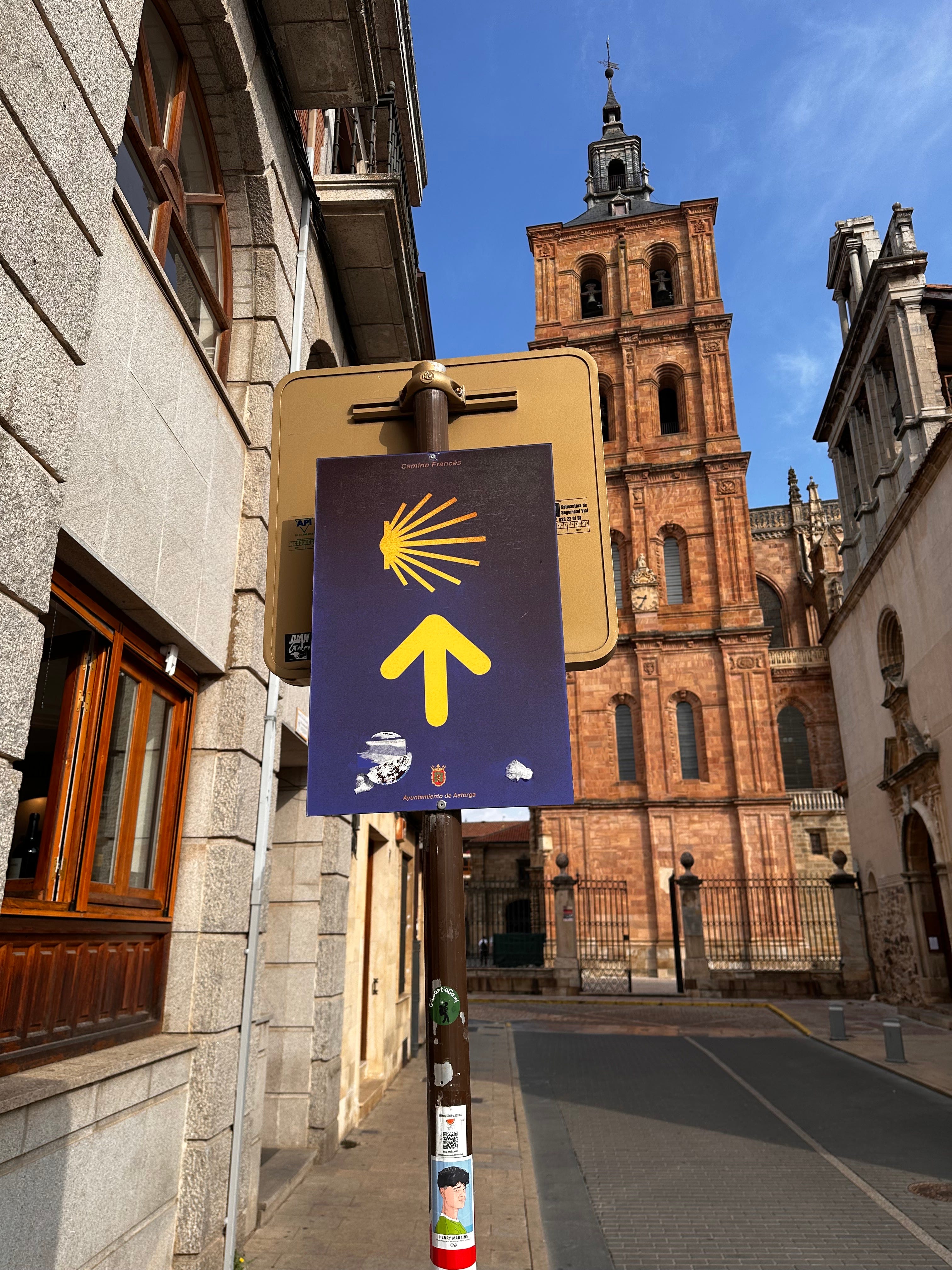
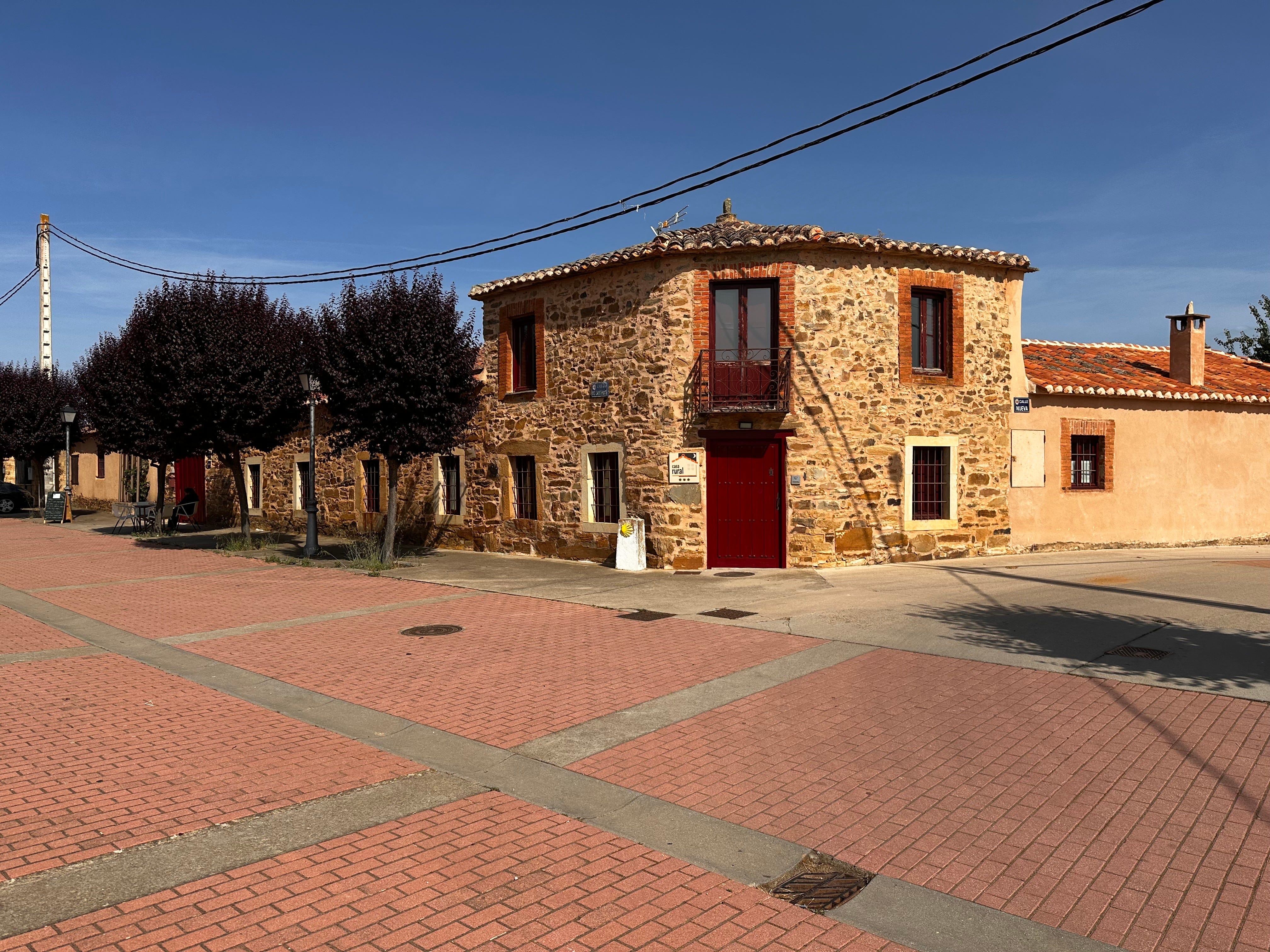
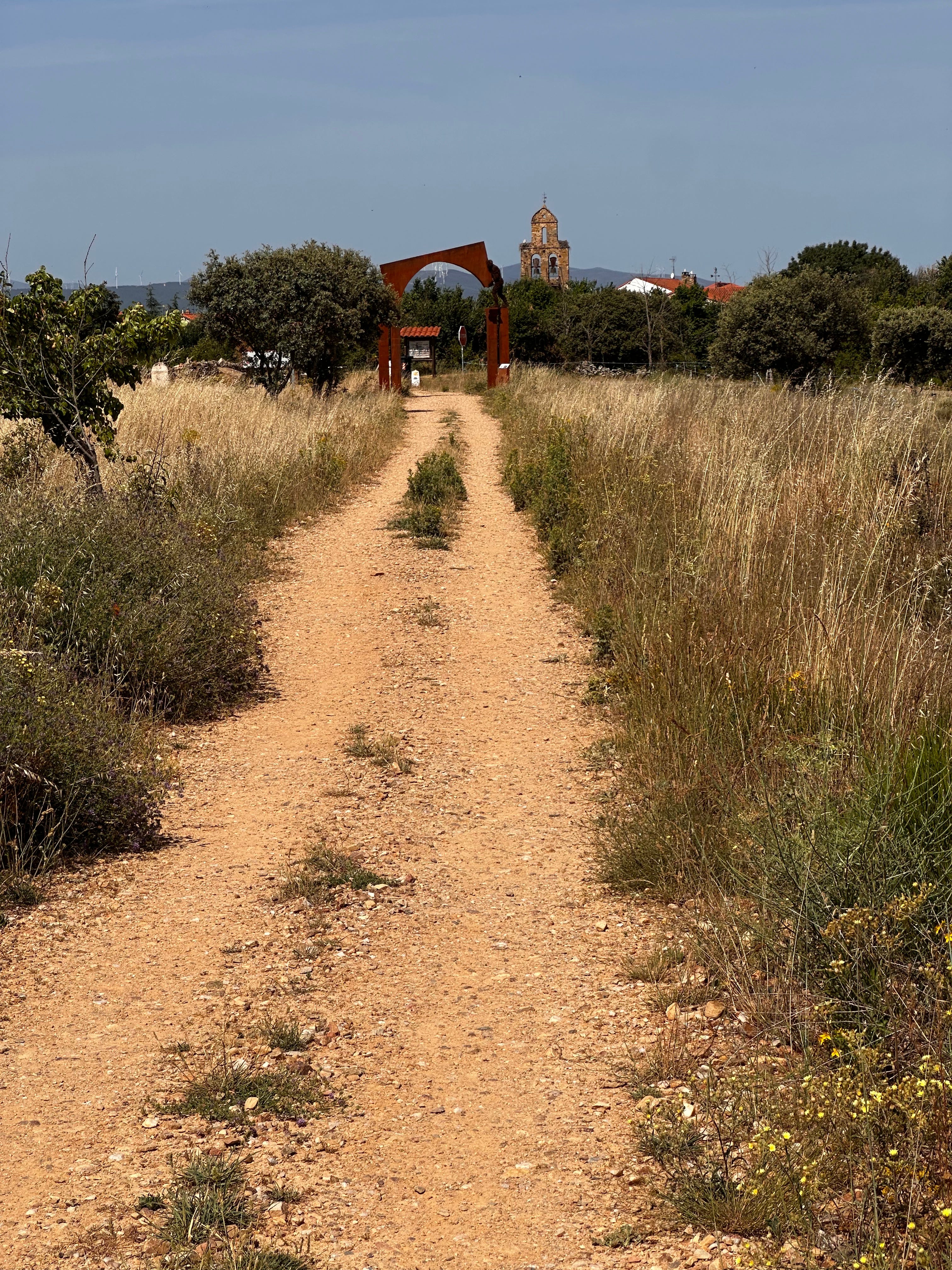
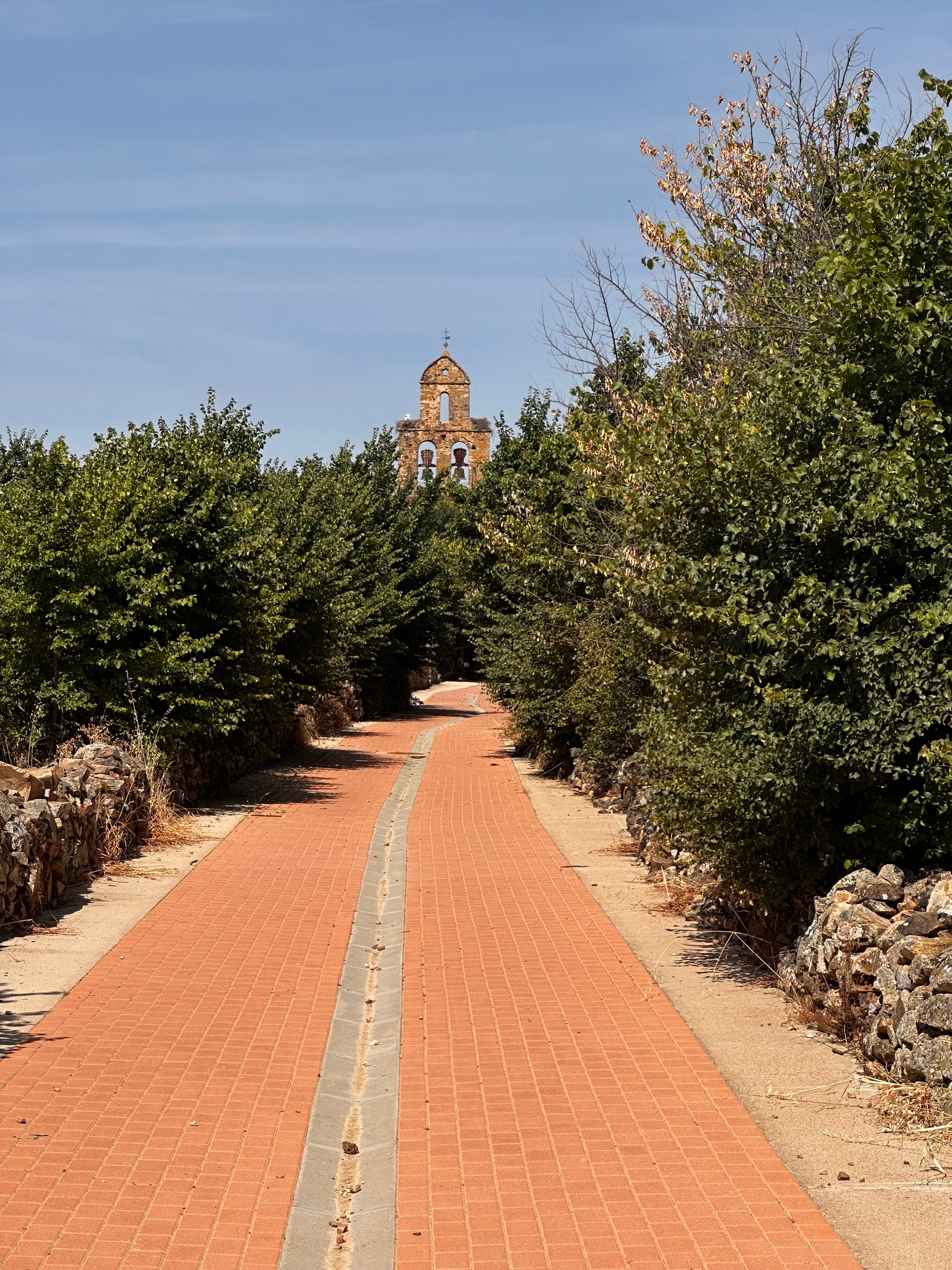
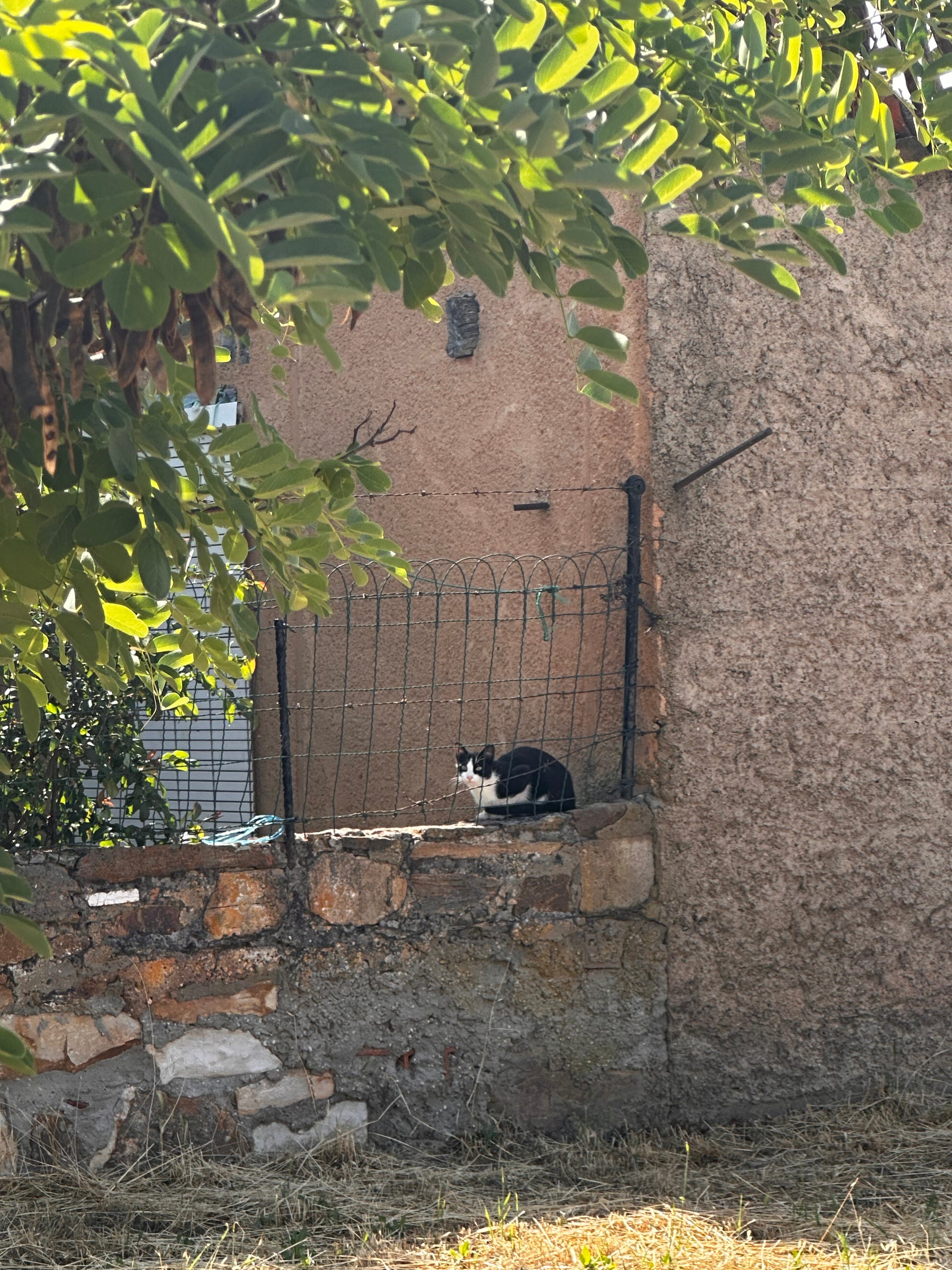
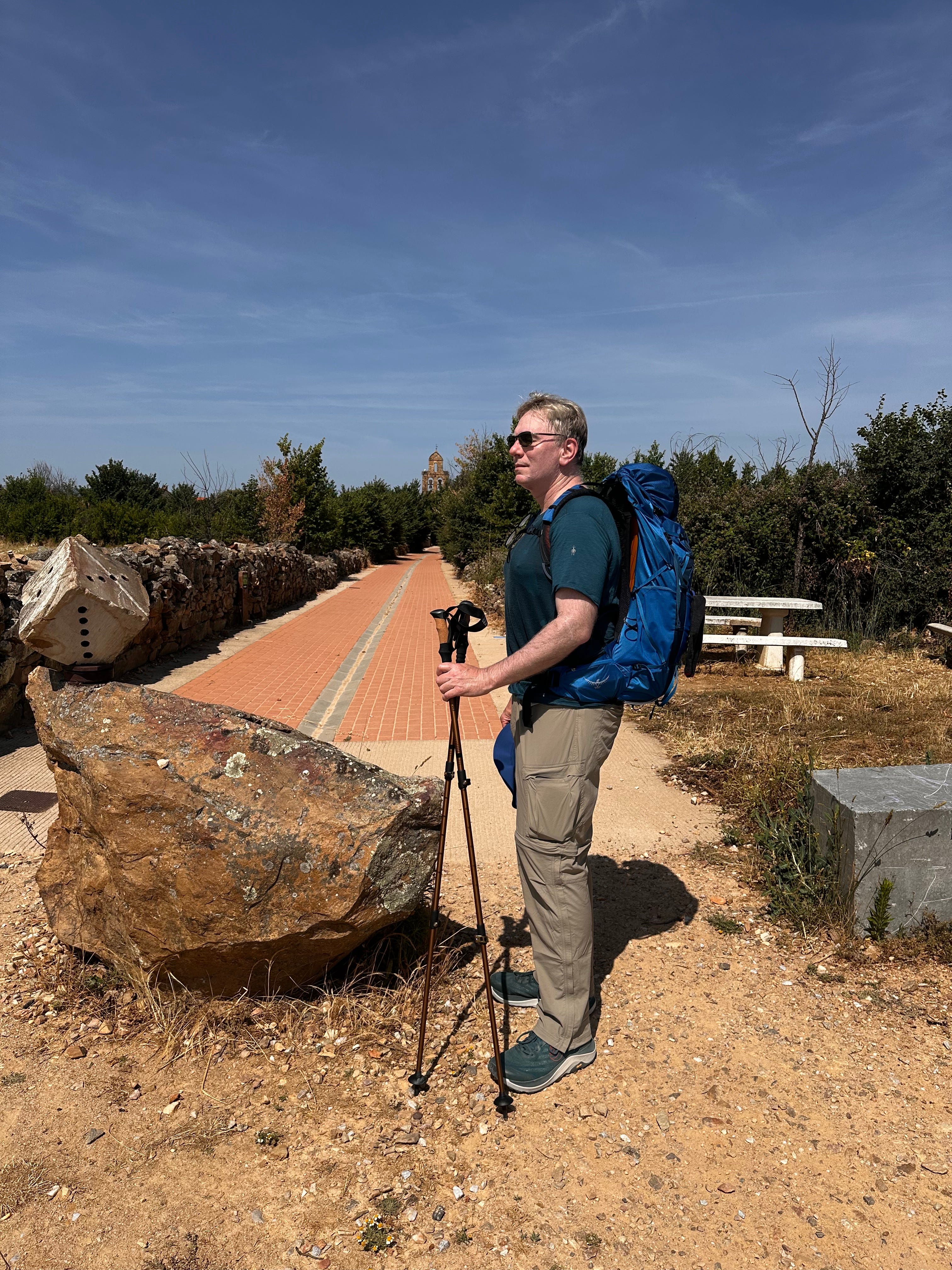
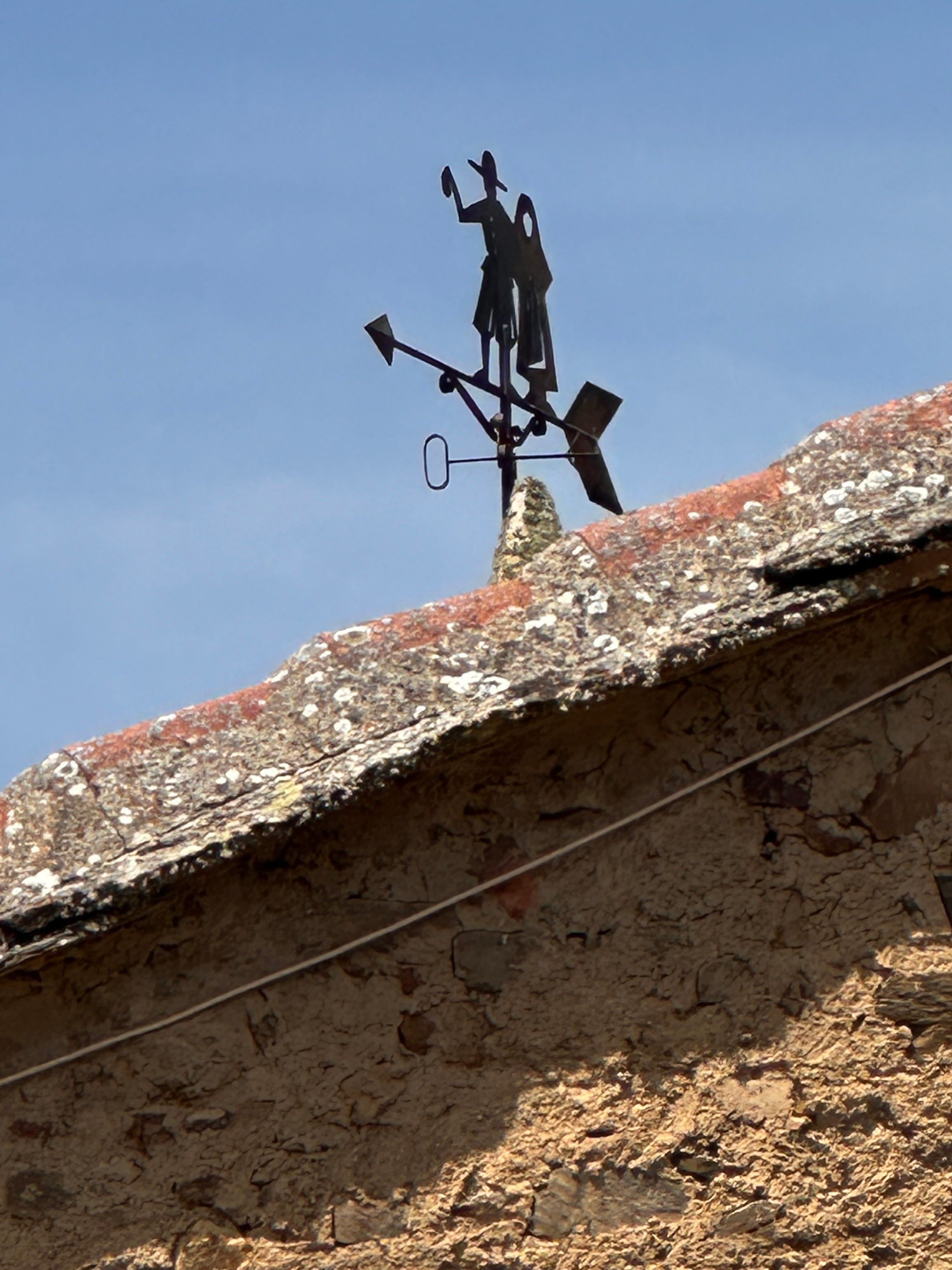
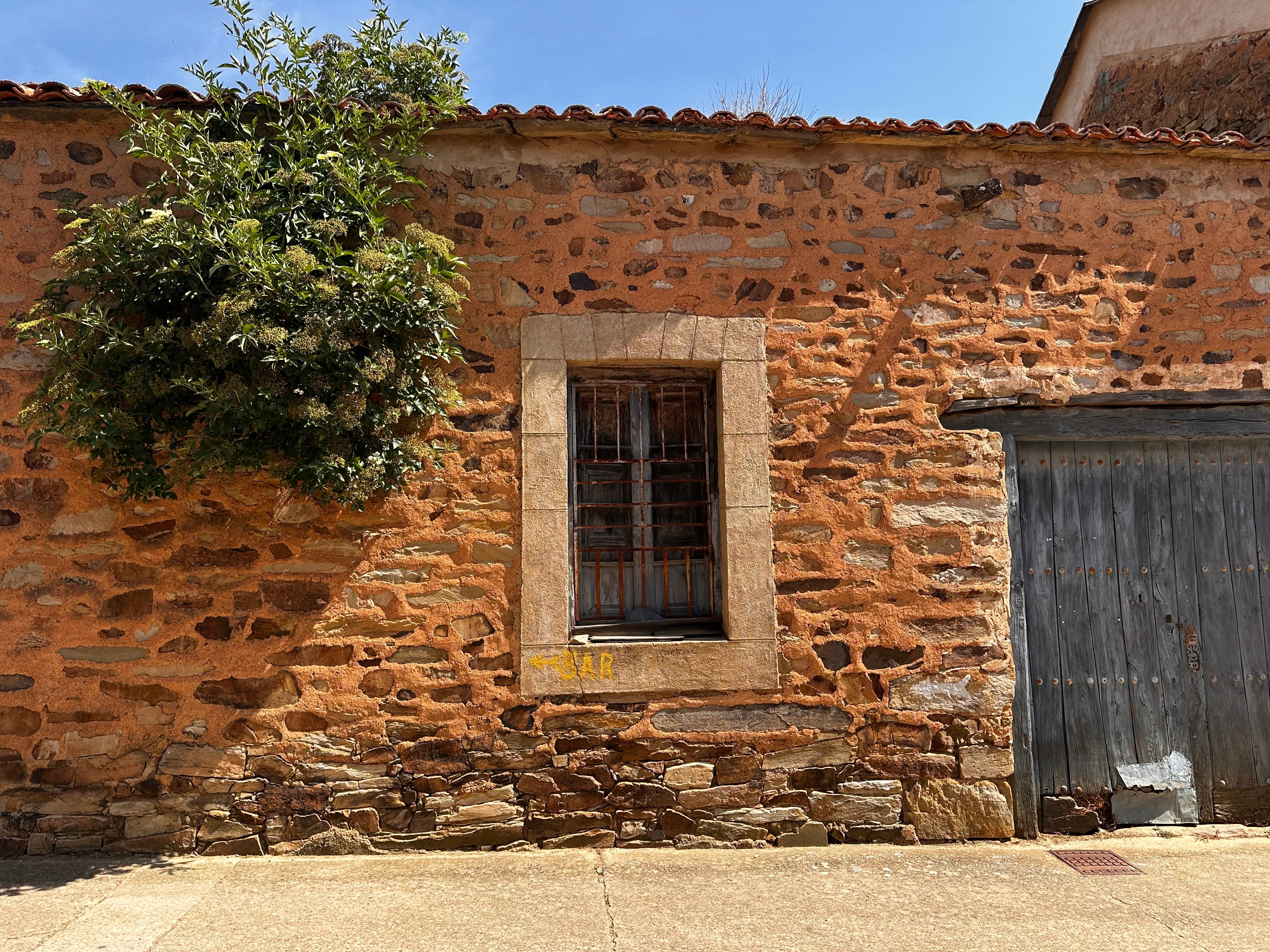
We left Astorga mid-morning, closer to half past nine, the sun already well up and warm on the cathedral’s honeyed stone. It is a lovely town, and we were almost sorry to go so soon, its towers the last grand thing we would see for a while. Then the streets gave way to open country, the Maragatería, and the day turned small and golden and quiet.
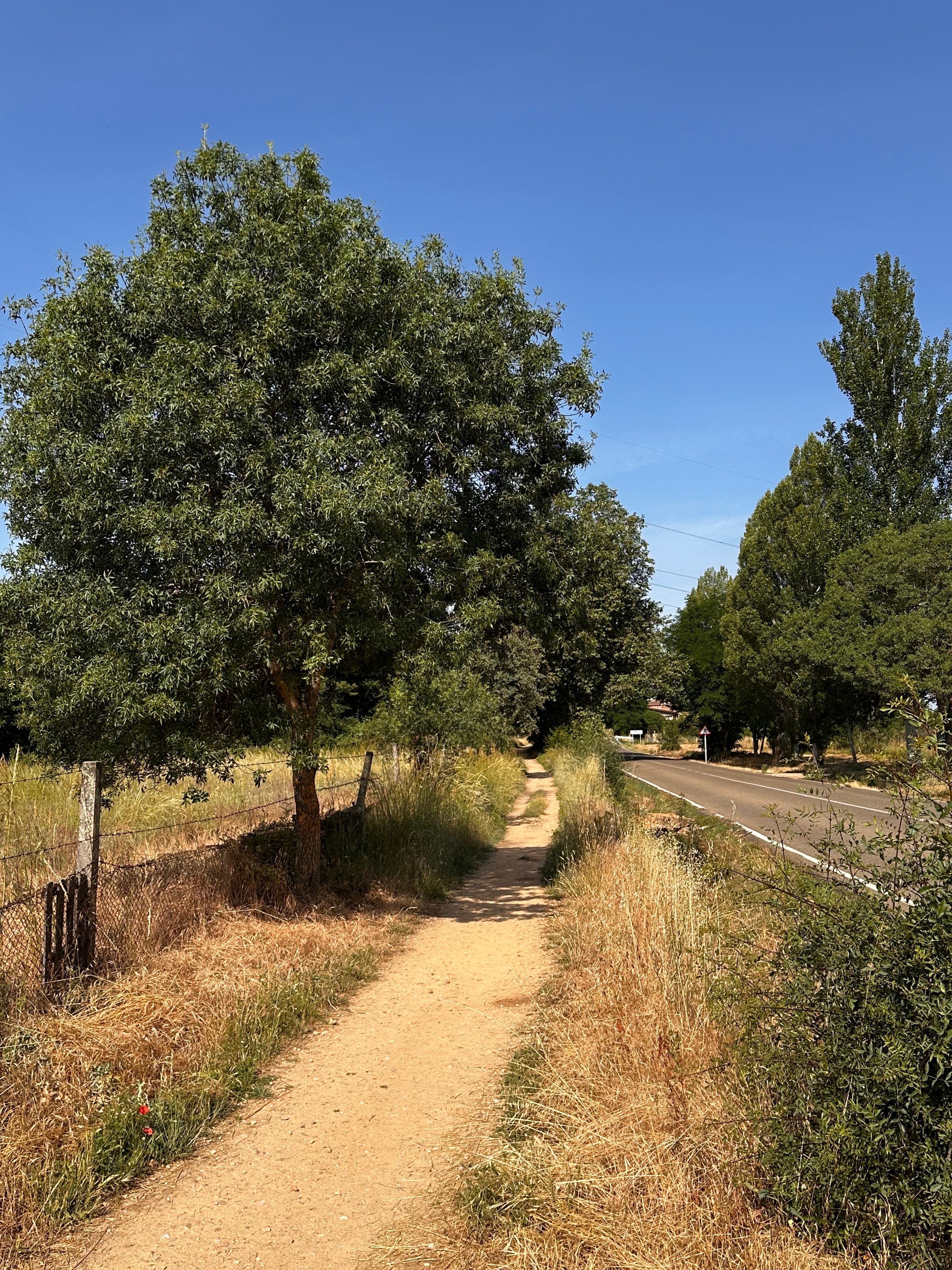
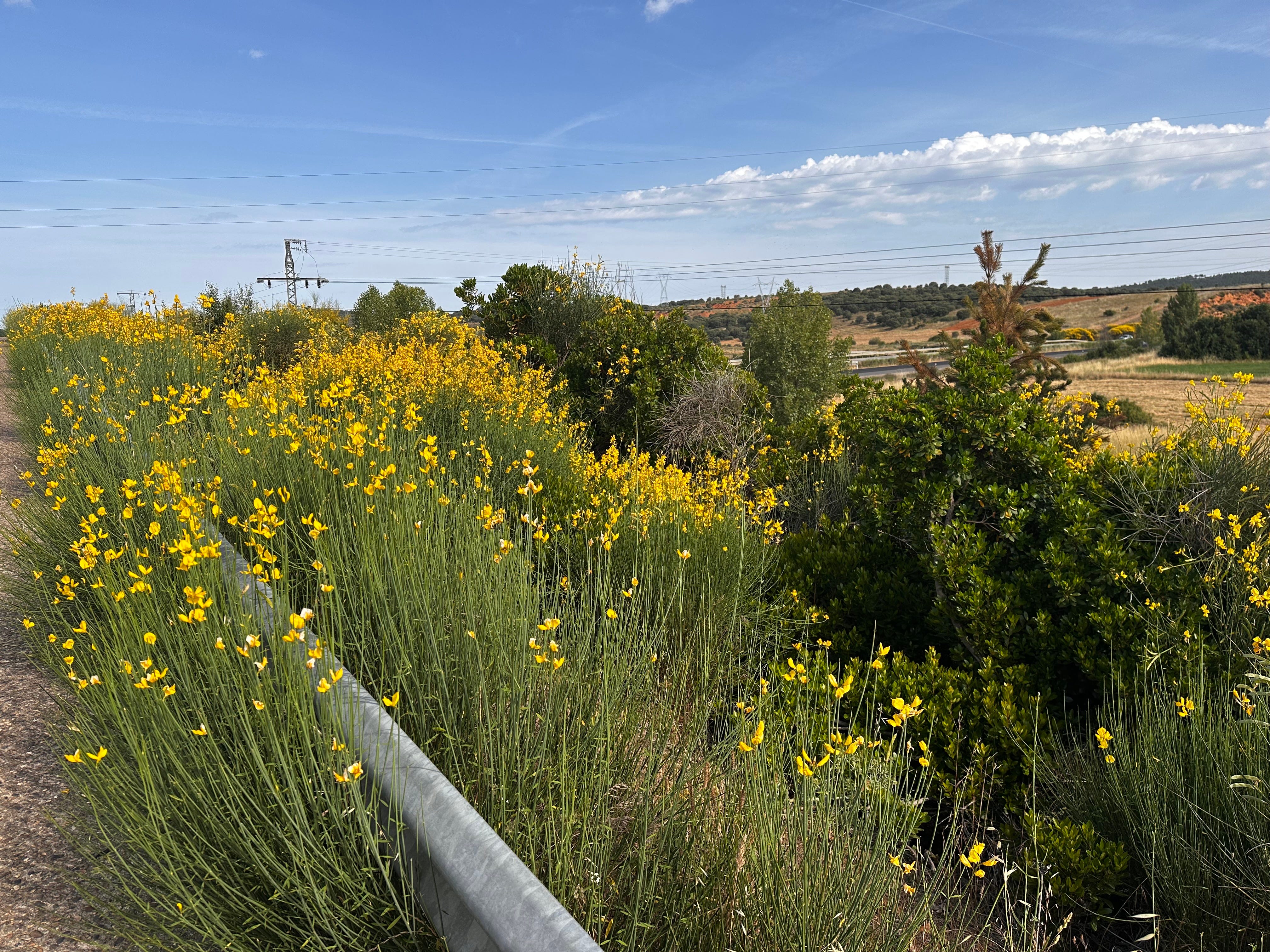
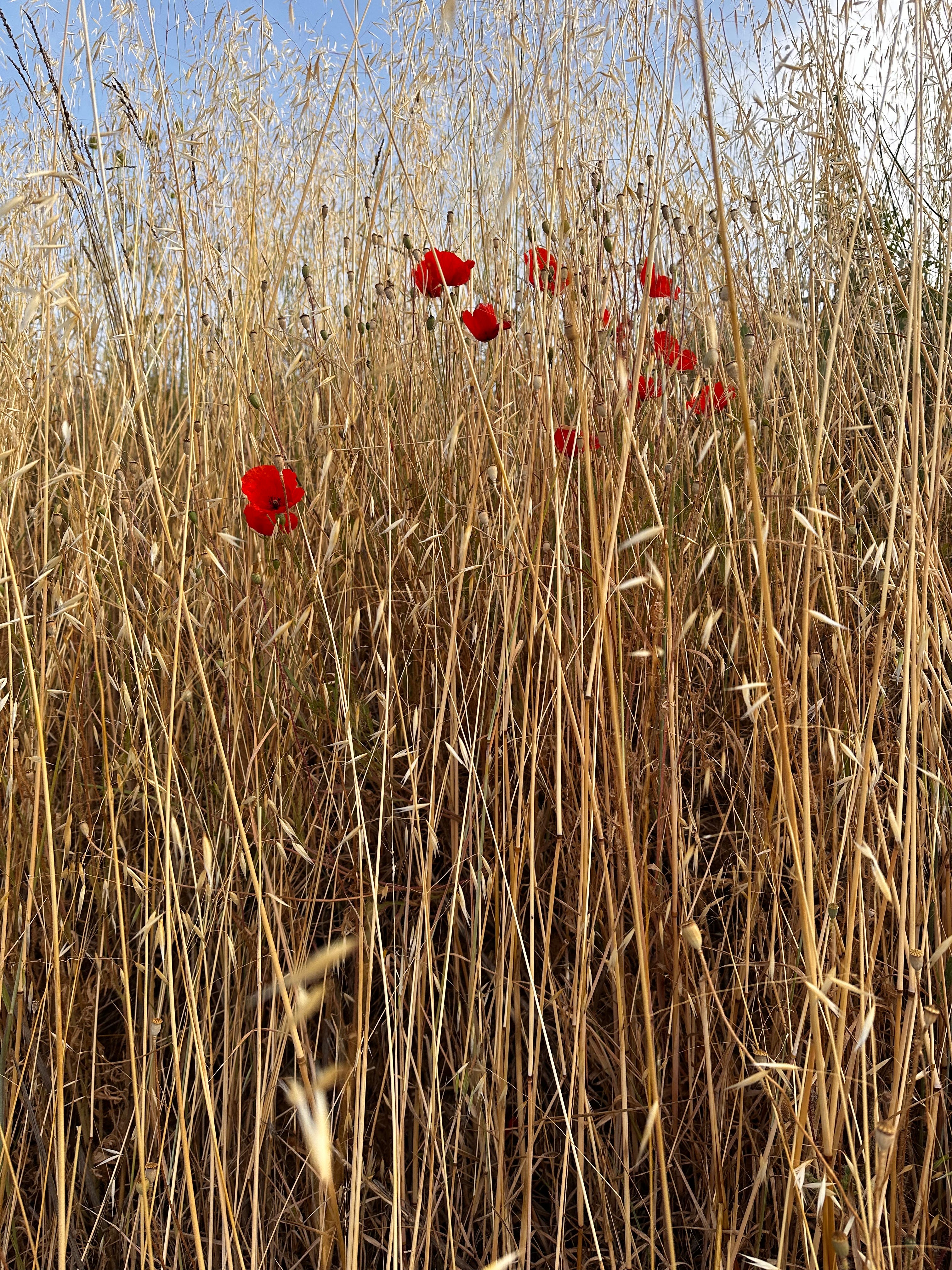
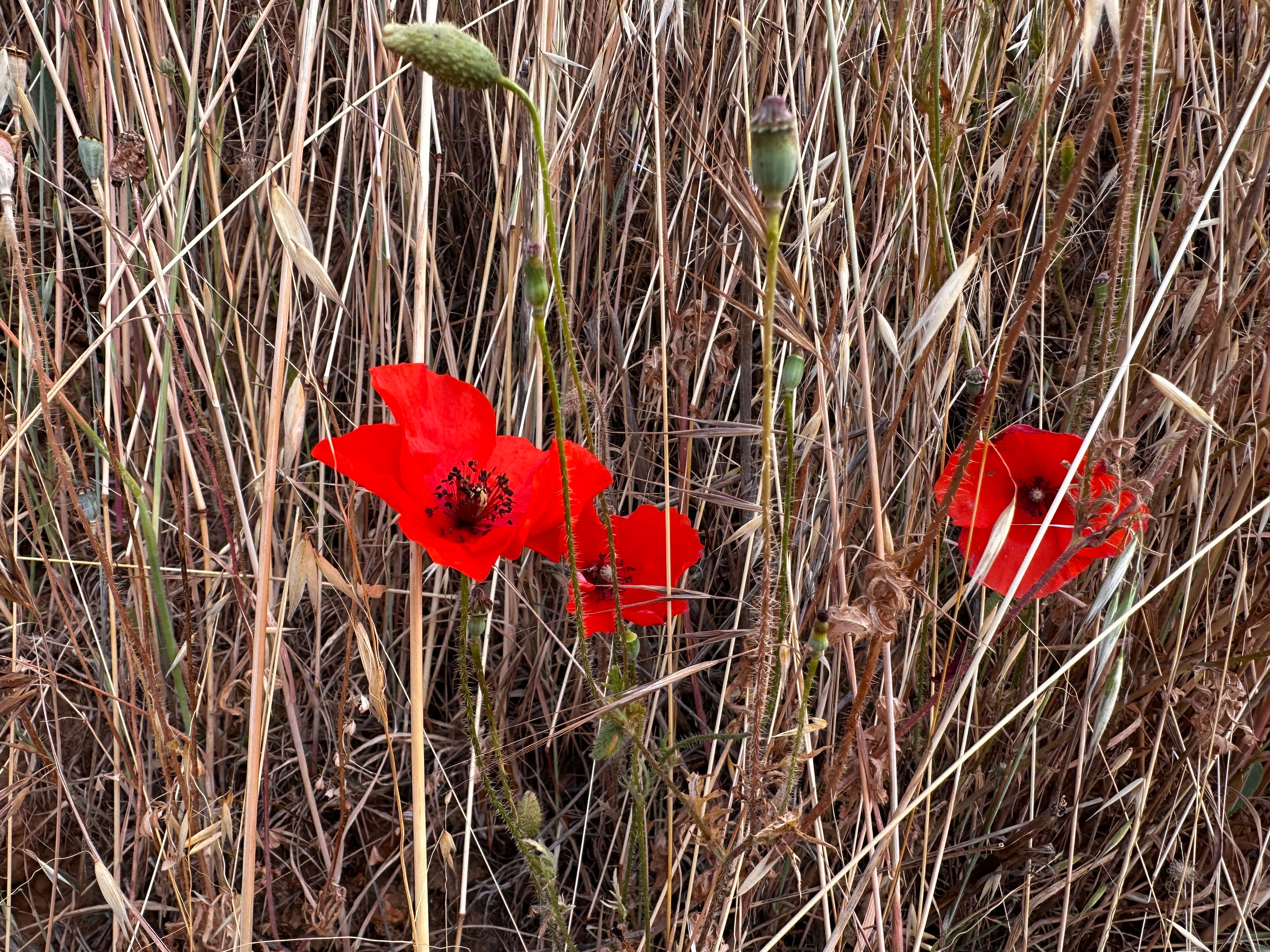
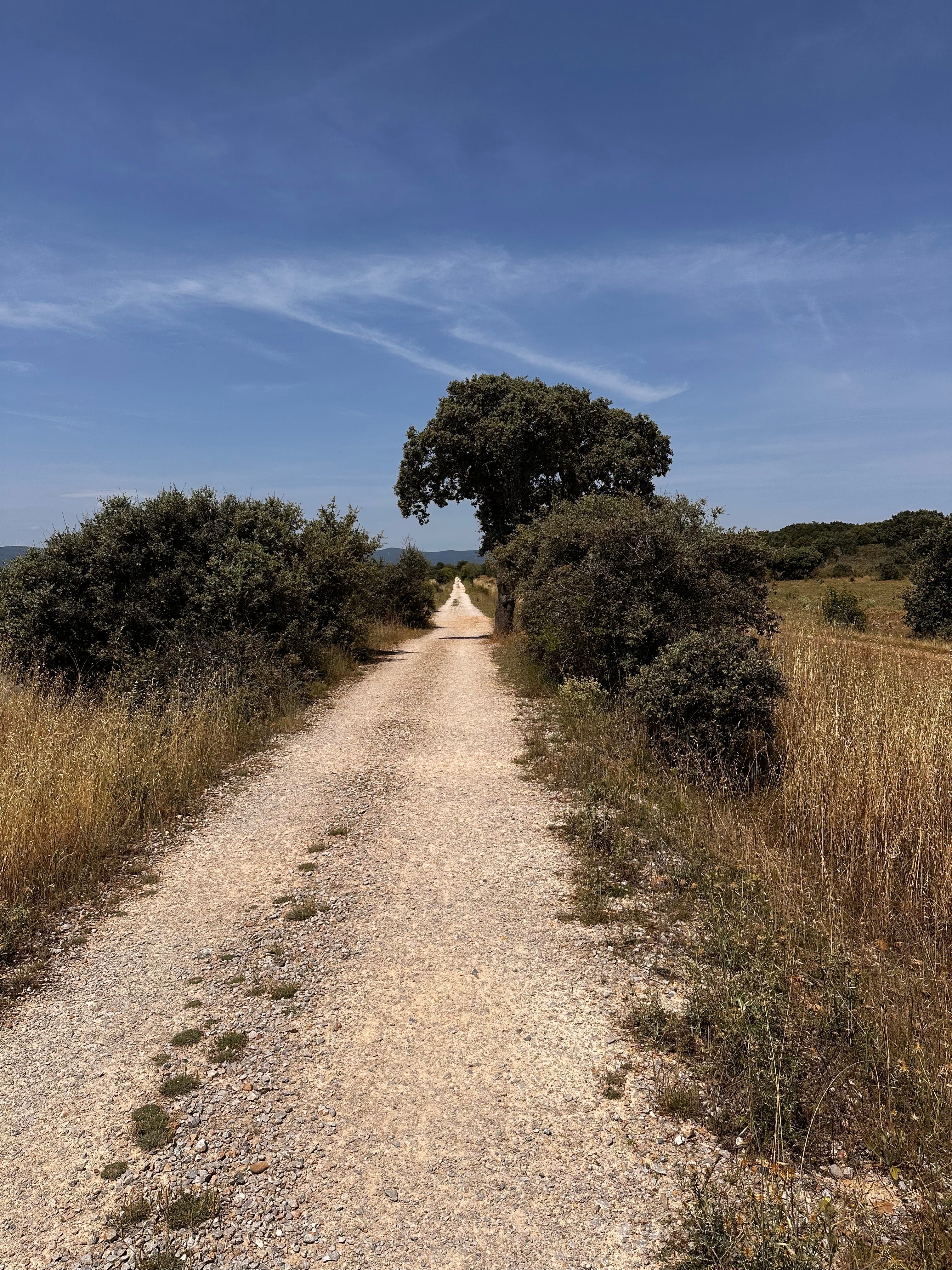
The land here in high summer is the color of straw, bleached pale, the open fields gone to seed and rustling. You might think such a country would feel spent. It is the opposite. The path runs green through the gold, hedged with shrubs and shaded by trees, and everywhere there are flowers, more of them than a dry June has any right to hold. Poppies first, a scatter of red through grass gone gold and silver in the sun. Then wildflowers in white and yellow crowding the verges, and butterflies among them, also white and yellow, traveling beside us in small flocks as if to keep us company before lifting off on errands of their own.
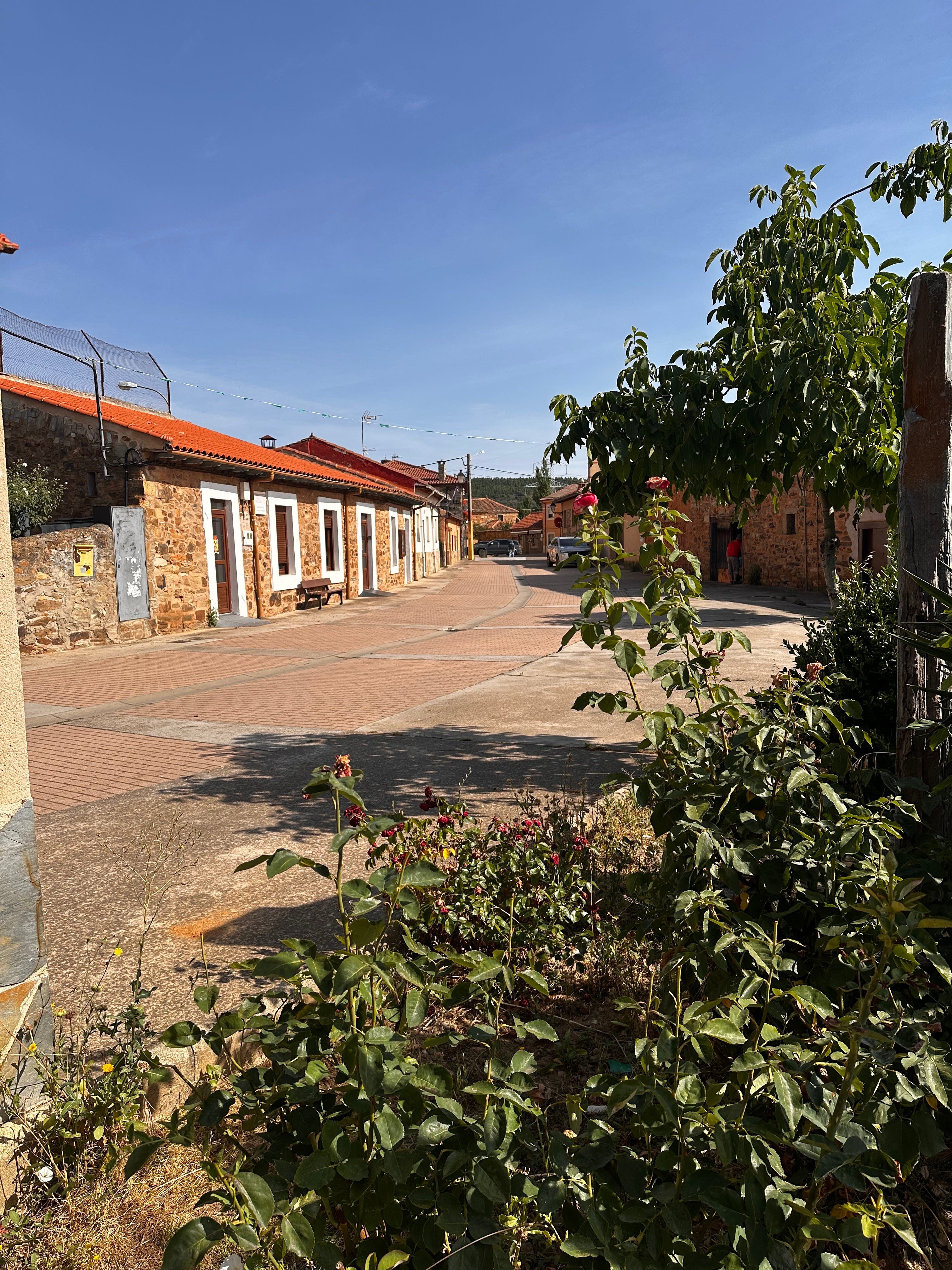
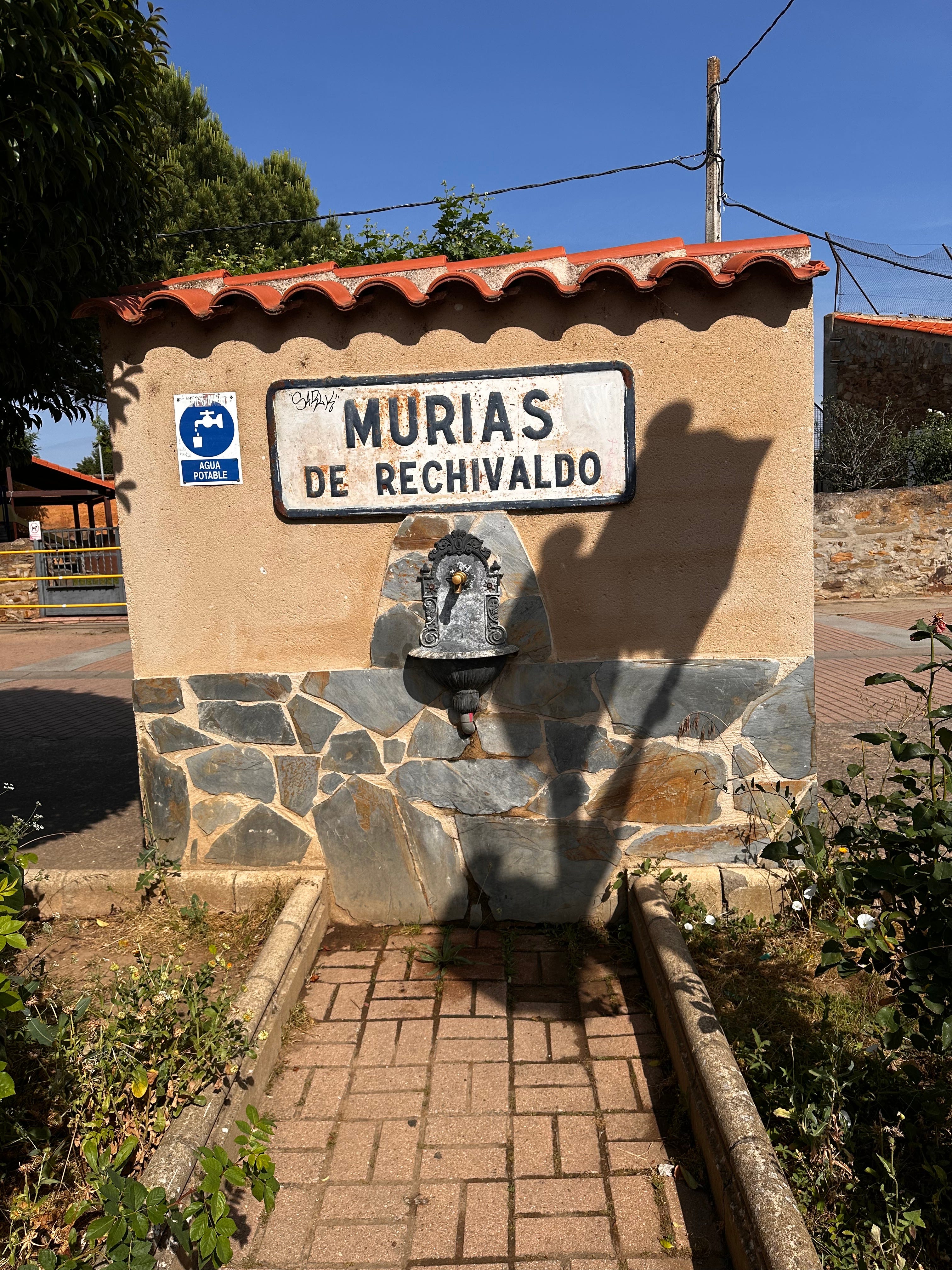
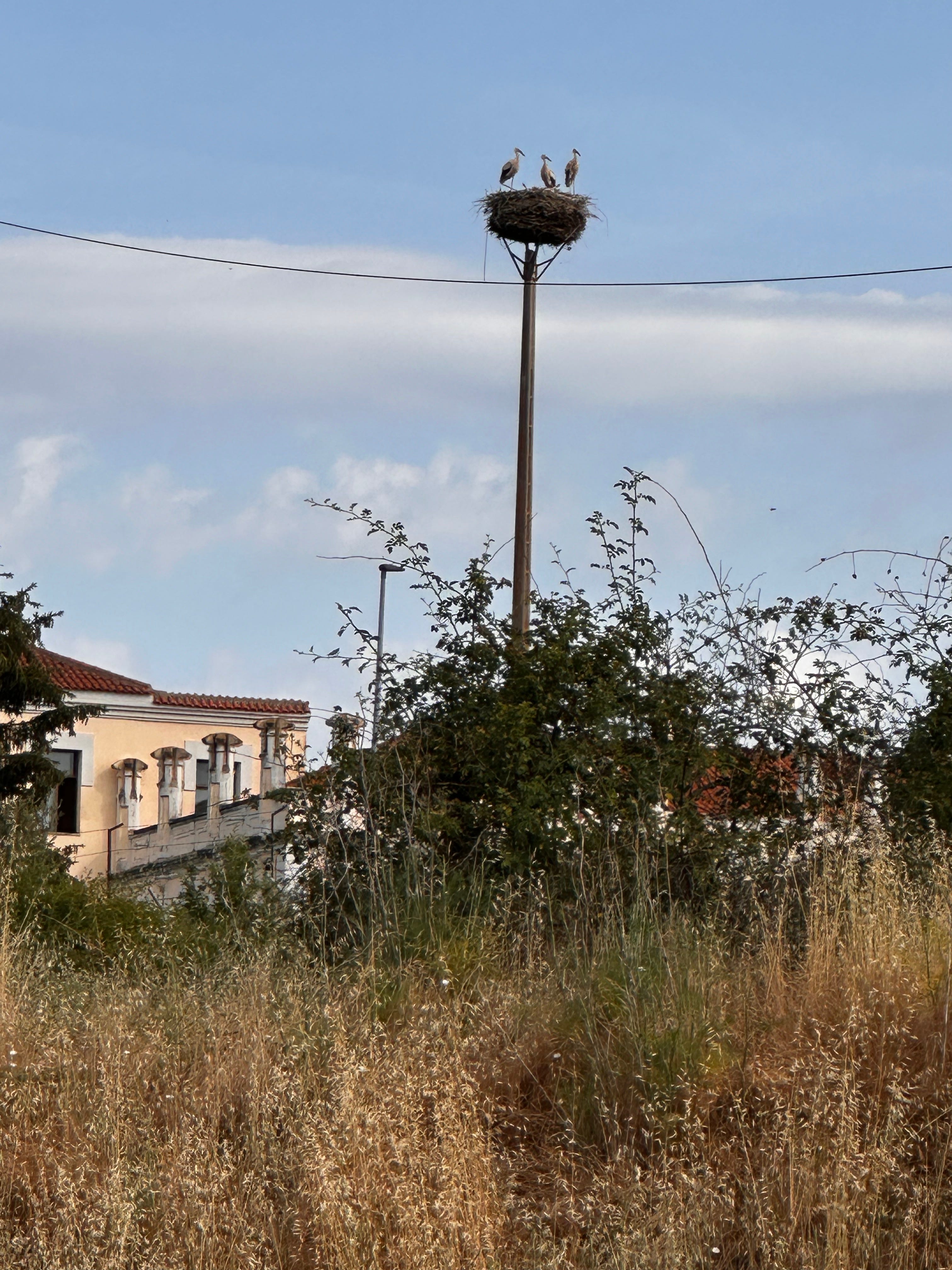
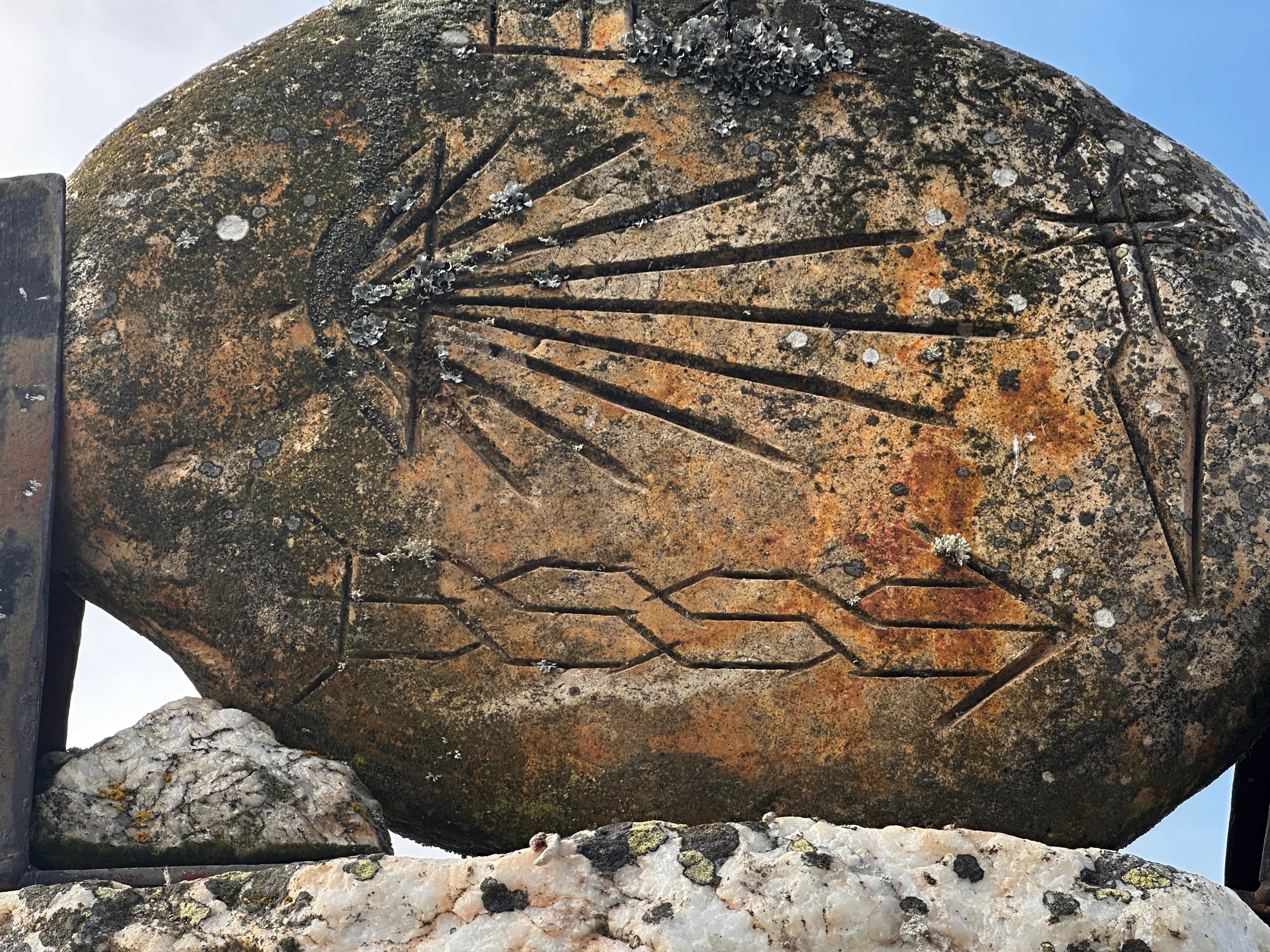
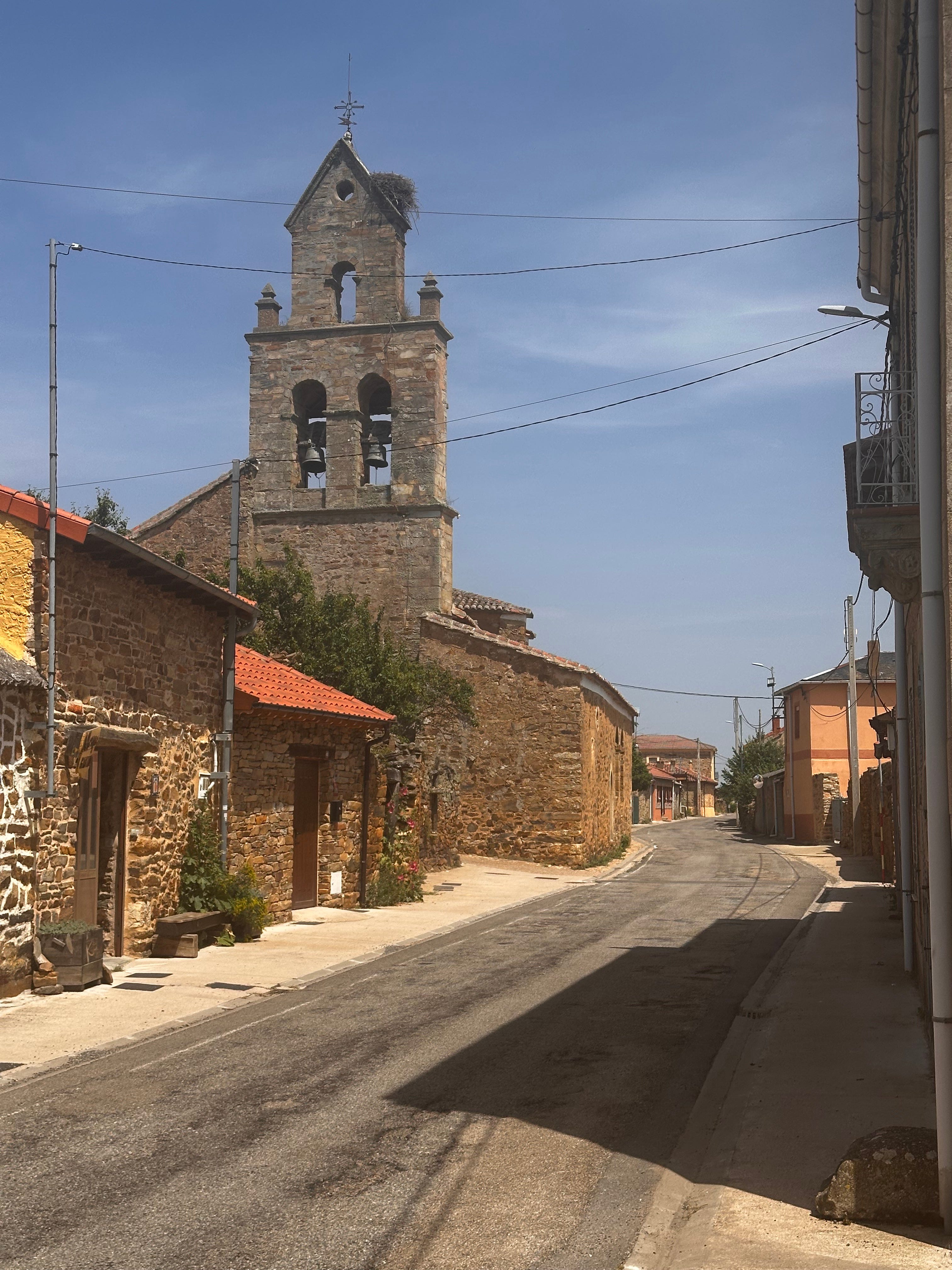
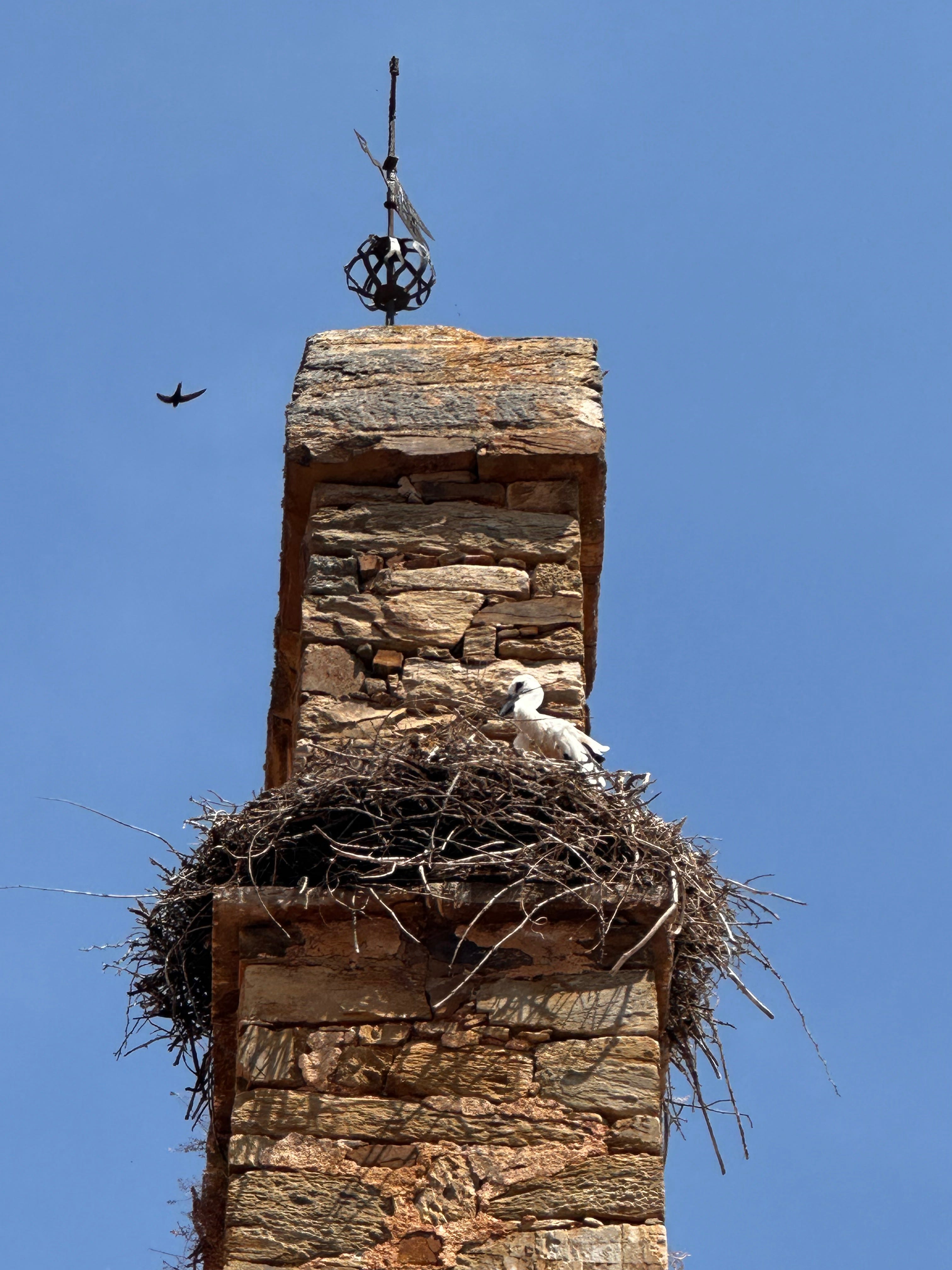
Somewhere before Murias, along the open road, someone long ago carved a scallop shell into a boulder, its rays softened now under lichen, still pointing the way. Then Murias de Rechivaldo, a quiet stone village of a few albergues, with one of those tiled fountains that every town here keeps for pilgrims, the water cool and safe to drink and never more welcome than at midday in this heat. Santa Catalina de Somoza came next, where a stork stood watch in her great untidy nest atop the church tower, unbothered by us or by anything at all. We reached it around noon, and on a hot Saturday at the start of the siesta there was little to be had, a pizza, some fruit, and a few baked things, so we made do with water and a banana, and walked on.
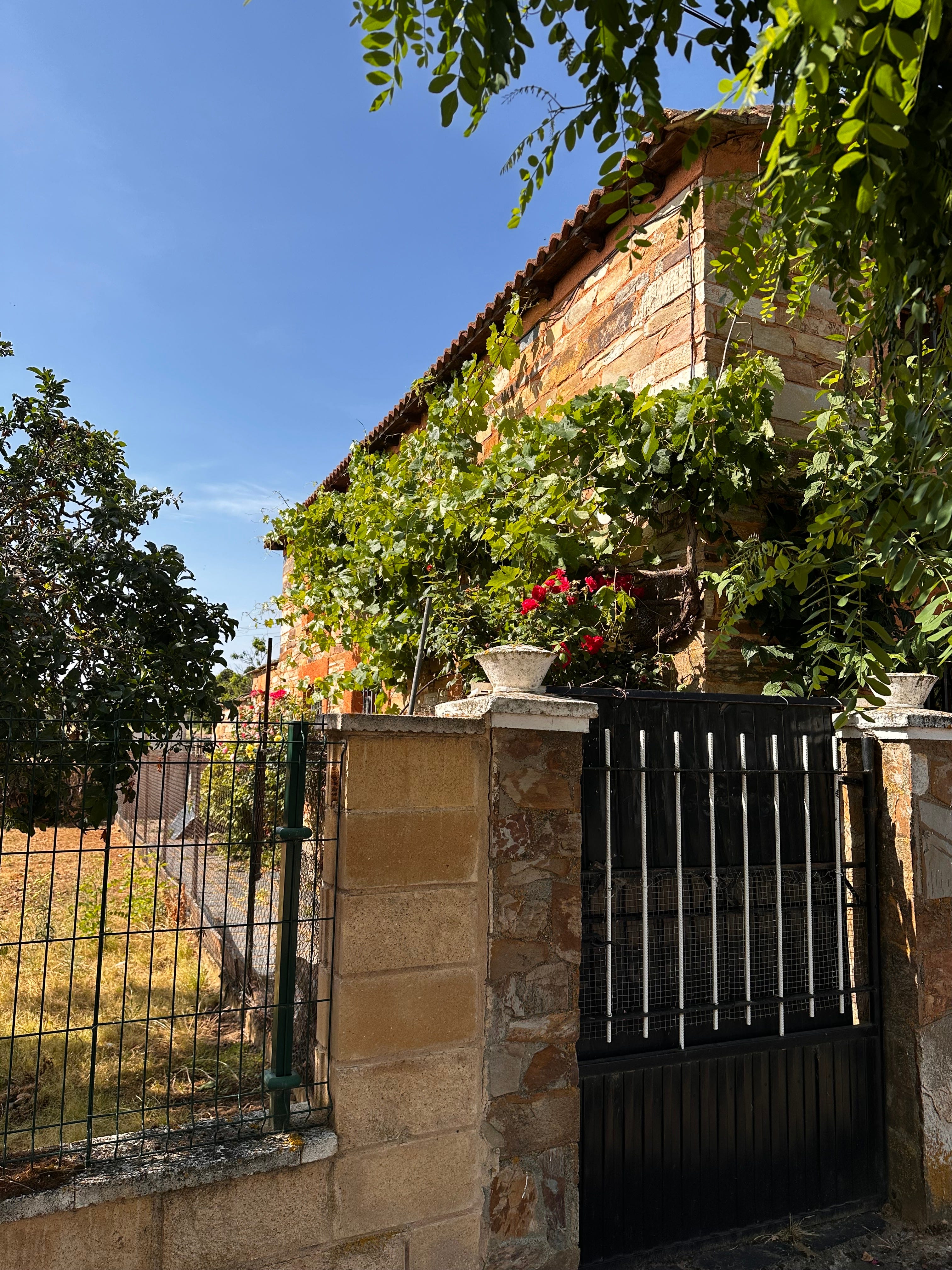
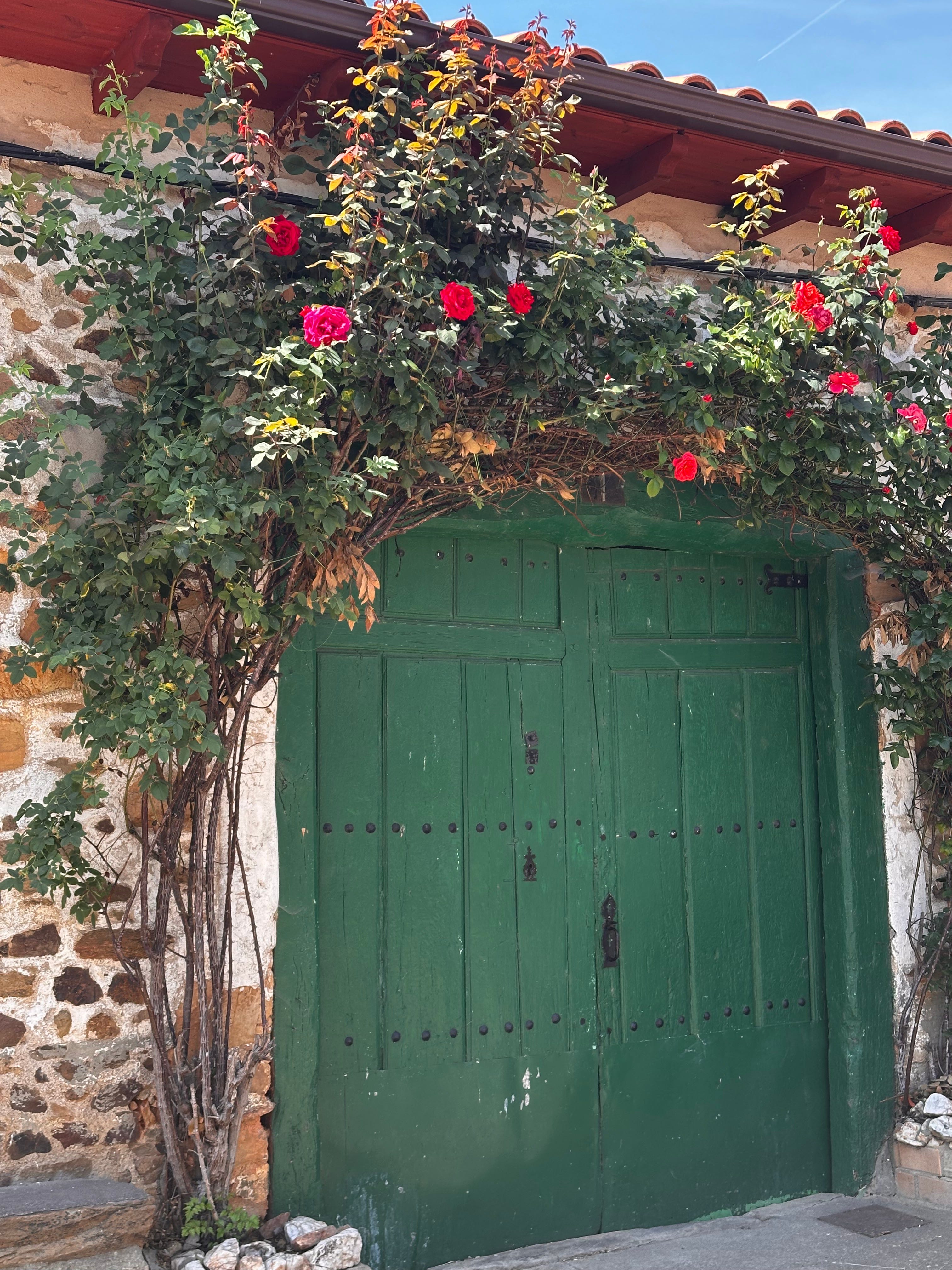
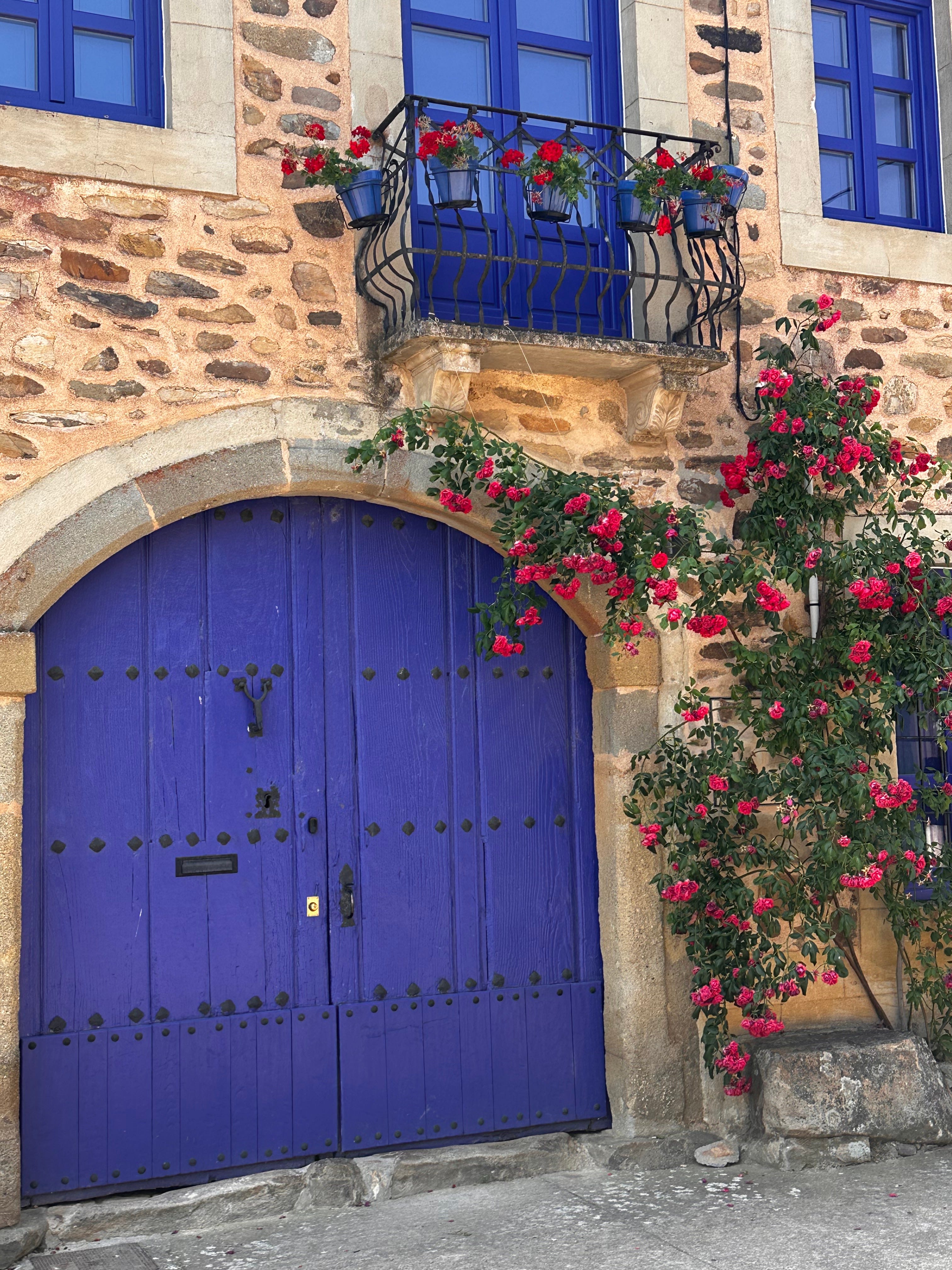
It was in El Ganso that we found our lunch, an albergue serving a plain green salad with fried eggs and lomo, simply done and exactly right. And there were doors along the way I will not forget: one painted a deep blue against the warm stone, another green with red roses spilling over the top as though the house could not hold its own happiness.
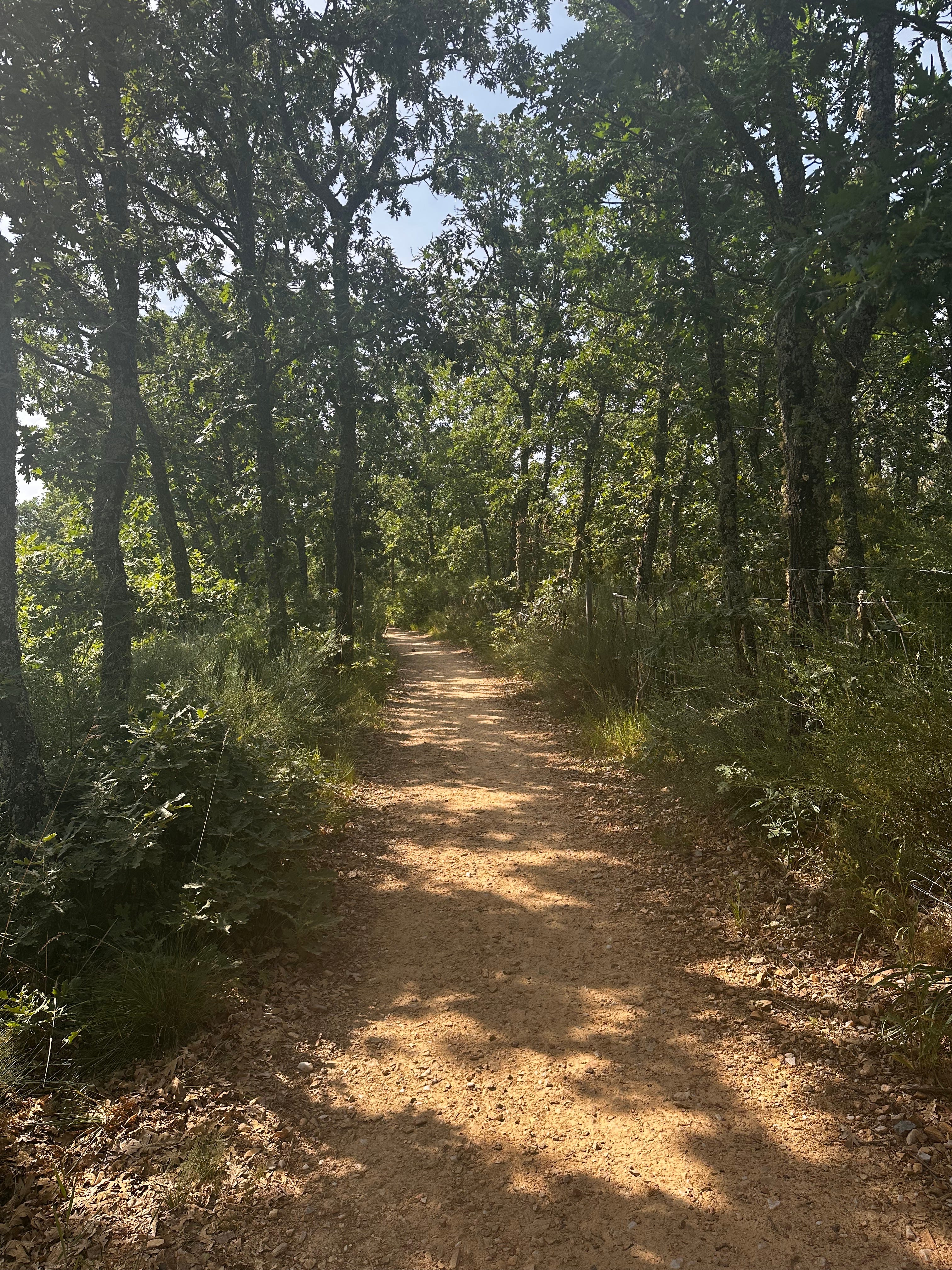
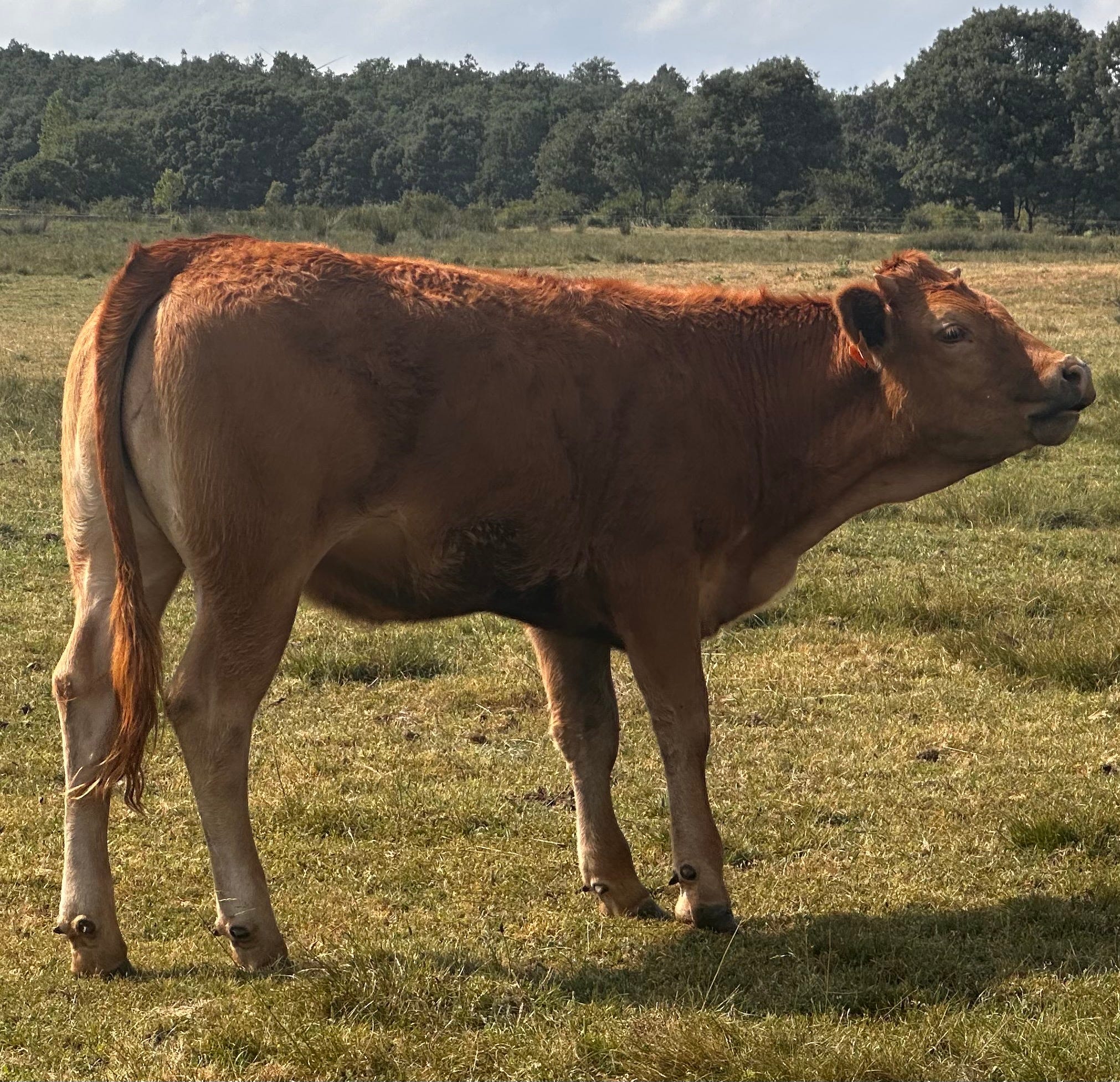
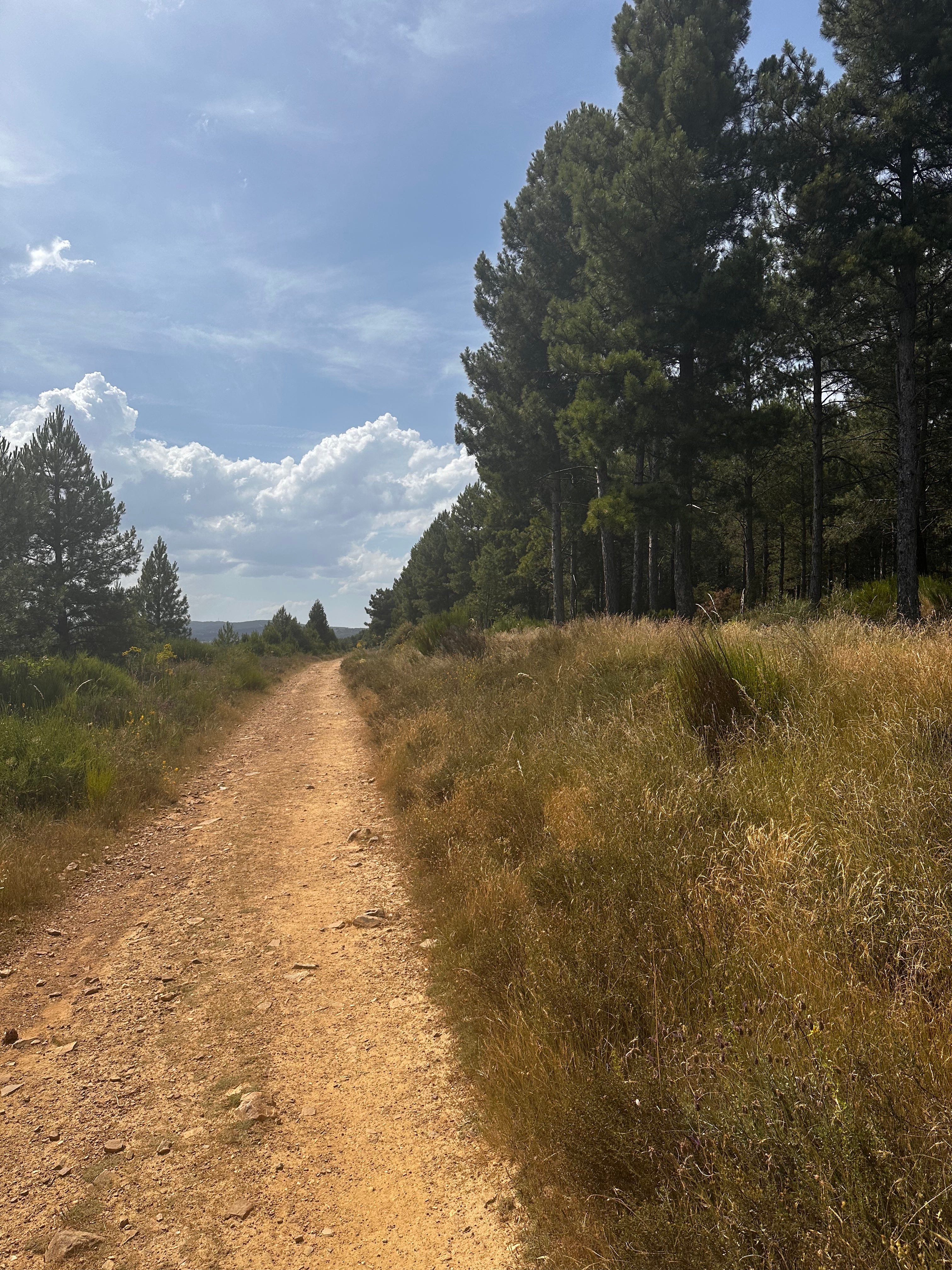
It was hot, the kind of heat that turns a patch of oak shade into a small mercy and makes you grateful for every tree that leans over the path. And the path did climb, gentle and steady, out of the gold and up into the woods, oak first and then pine, the air warm with honey and spice. In a green field a russet calf lifted his head to consider us, decided we were not worth the trouble, and went back to its grass.
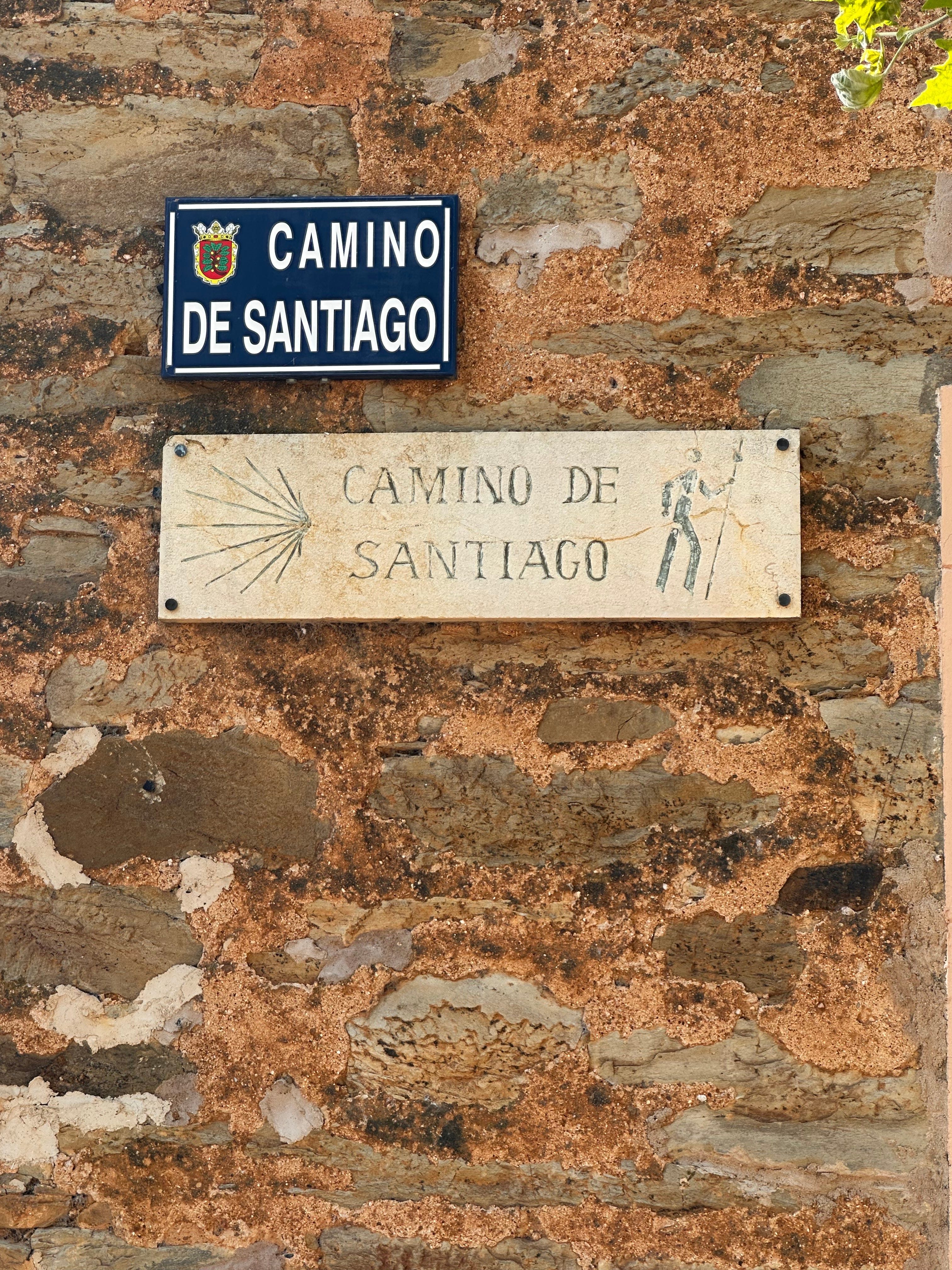
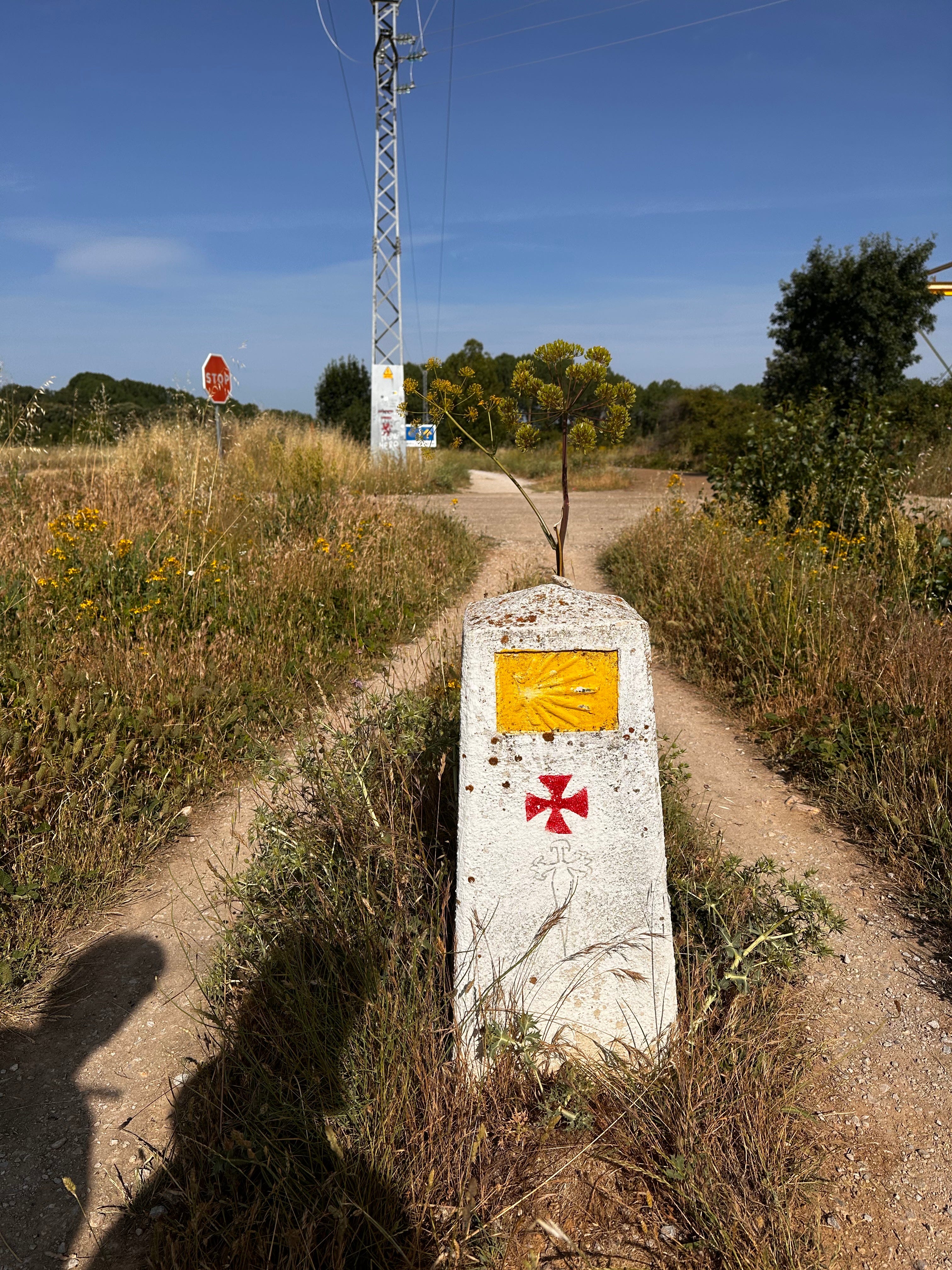
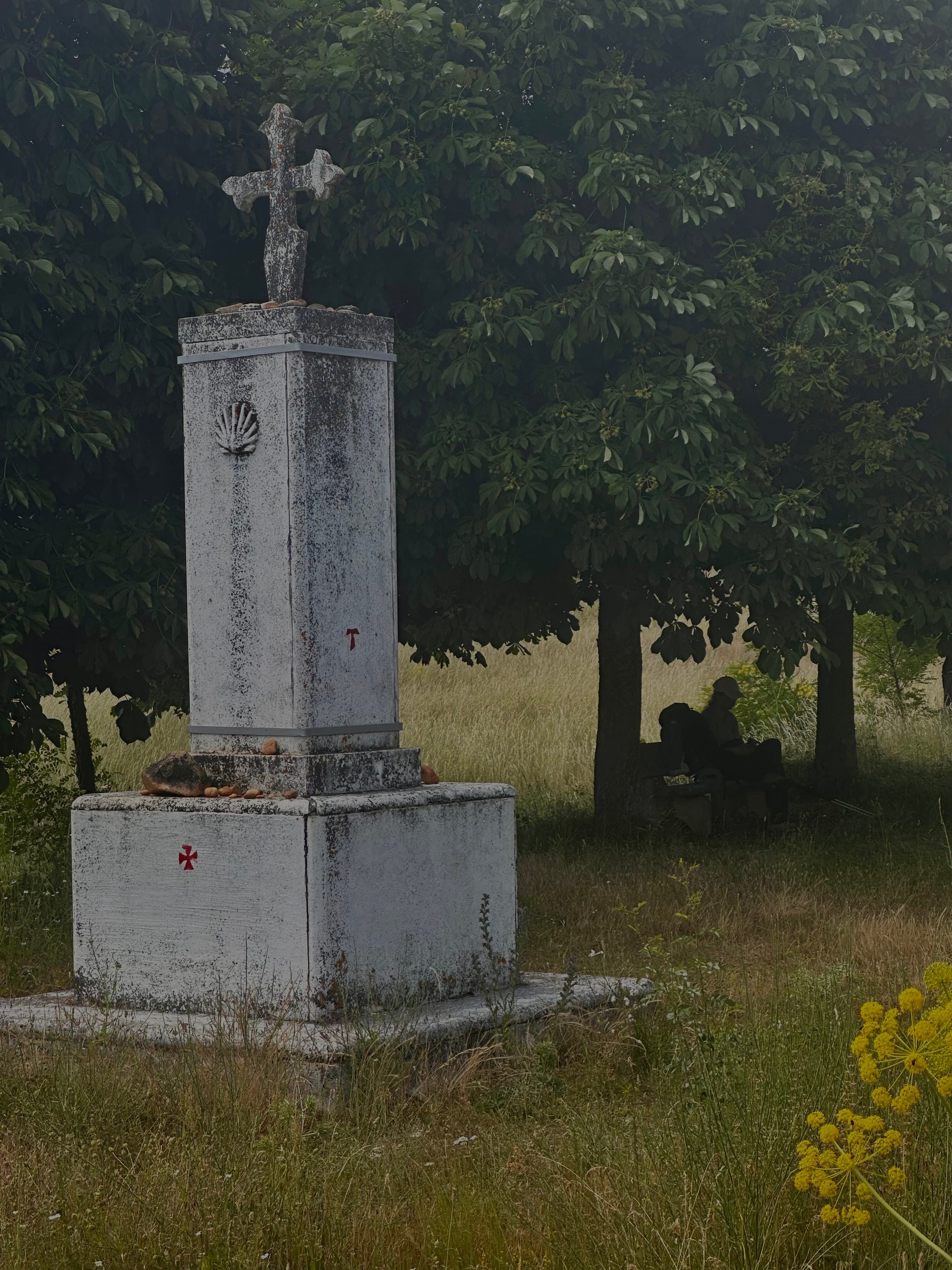
All along the way, the signs. The yellow arrow, the shell, and here the red Templar crosses painted on white pillars, because this was their road once, the climb they guarded toward the mountains. At a stone cross in the shade of chestnut trees, pilgrims had left their stones, small offerings set down by people we will never meet, all of us following the same shell in the same direction.
We came into Rabanal del Camino in the late afternoon, tired in the good way, the way that feels earned. Not emptied by the day but filled by it. This, I think, is what the Camino teaches, gently and without lecturing: slow down enough, and the bleached and quiet world turns out to be full of small bright things, every one of them quietly insisting that you look.