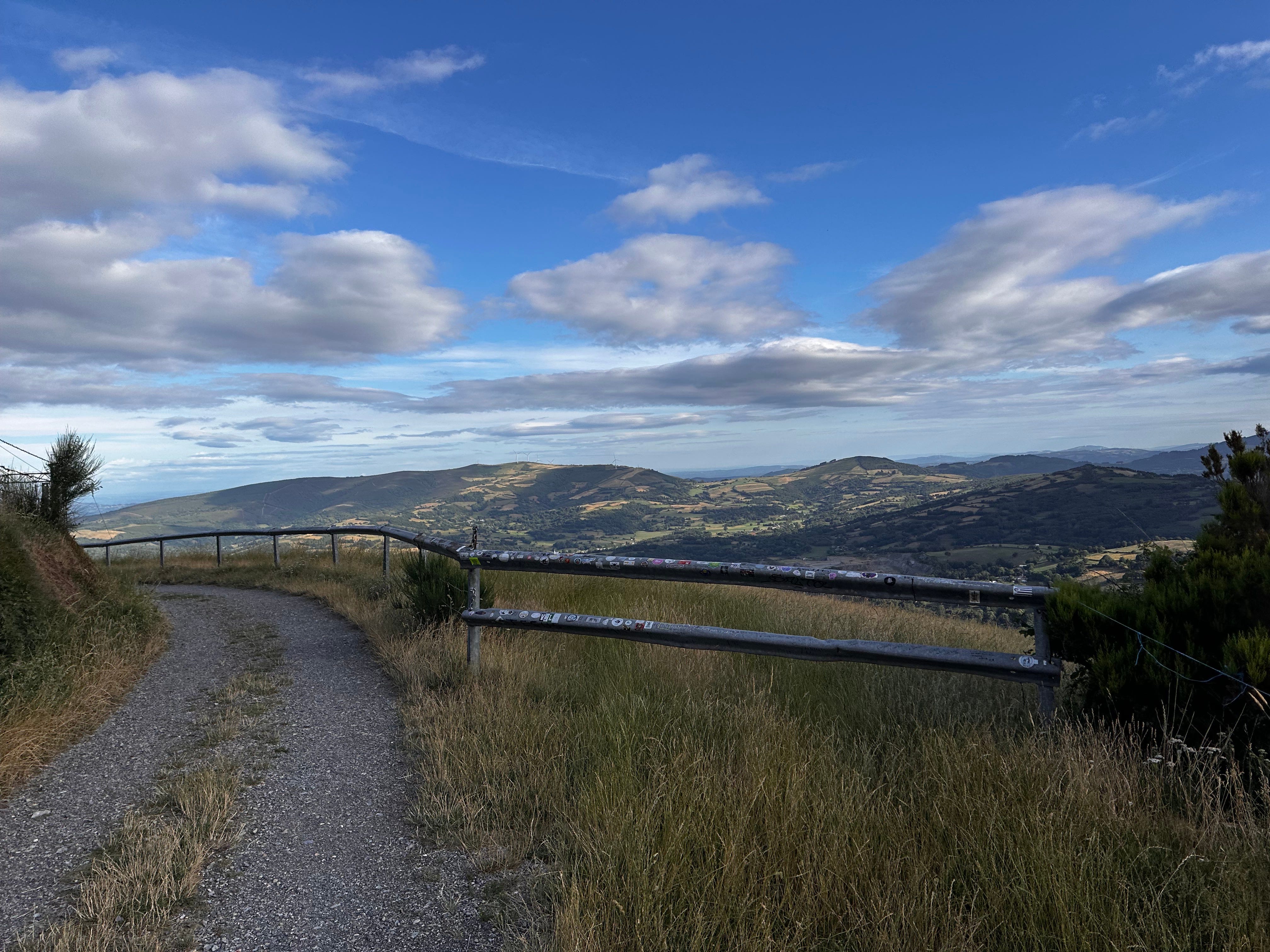
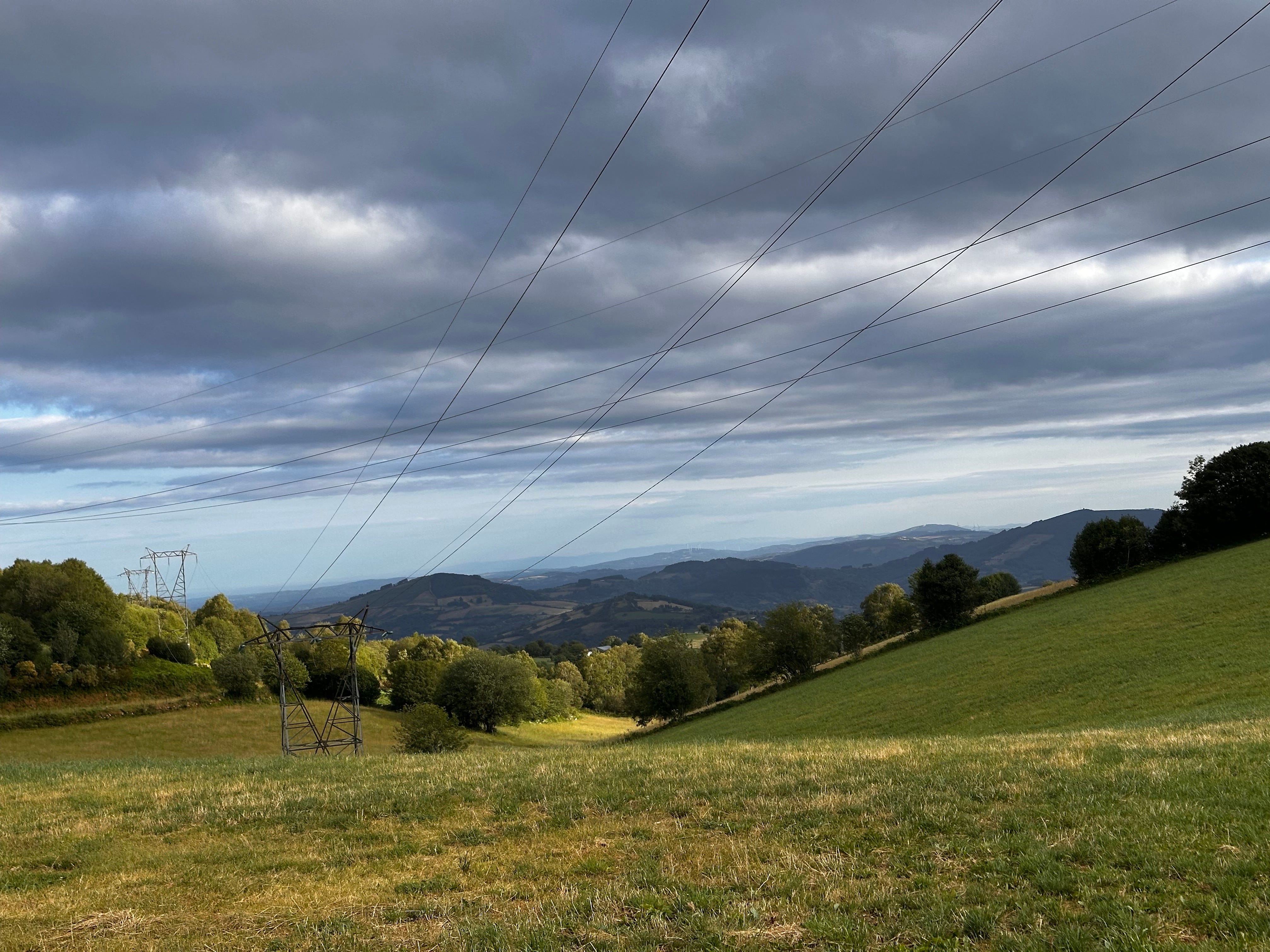
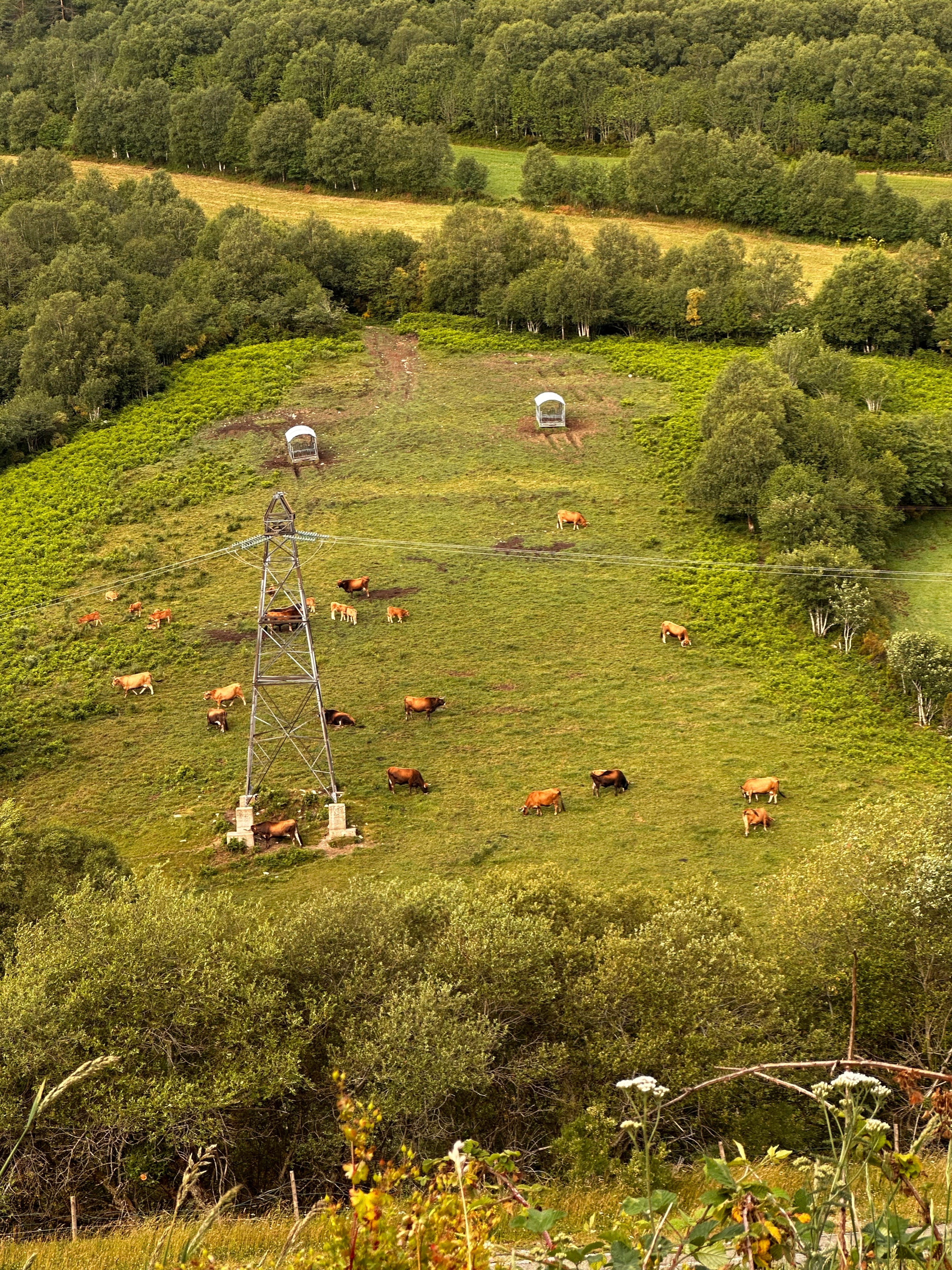
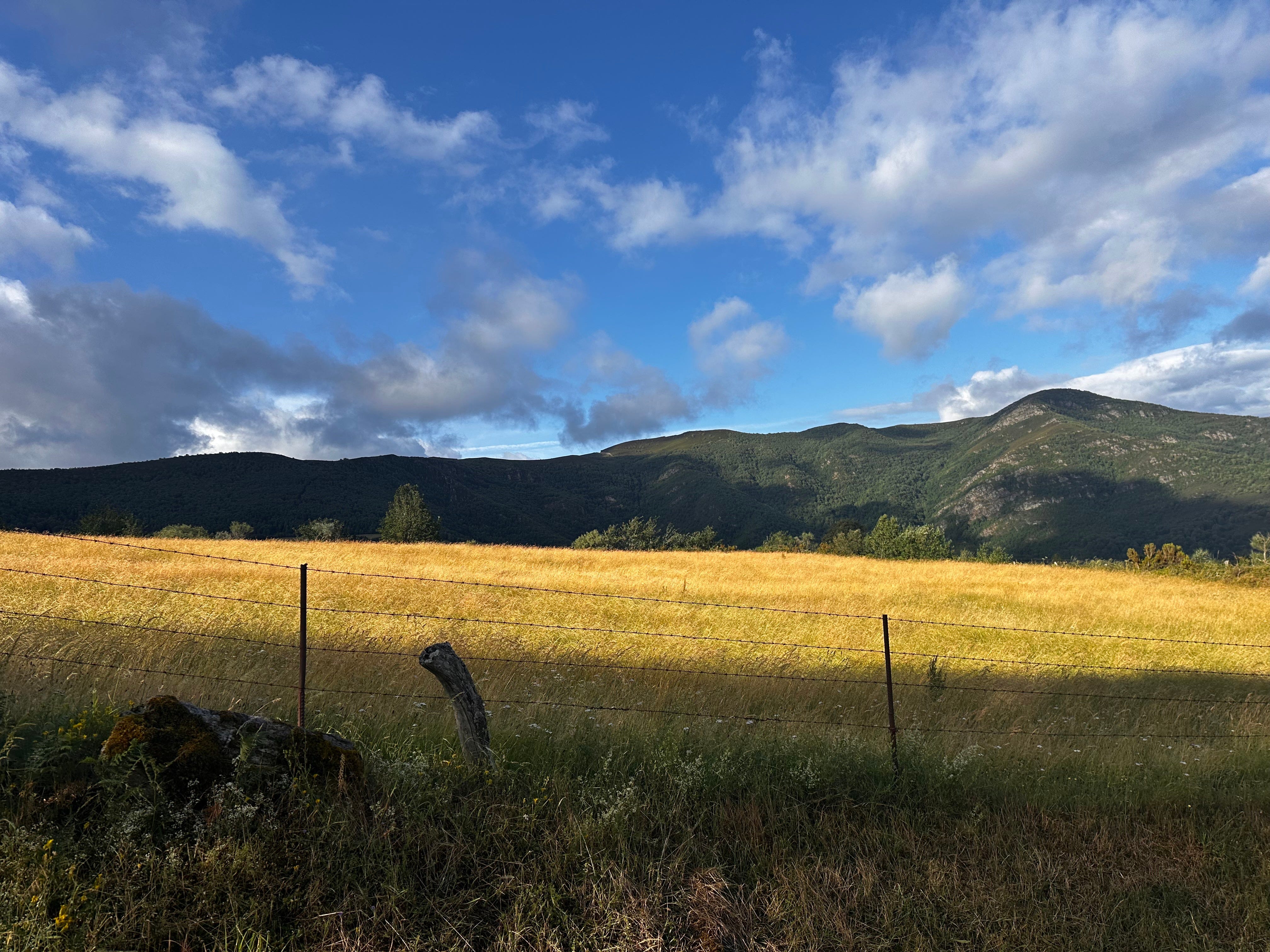
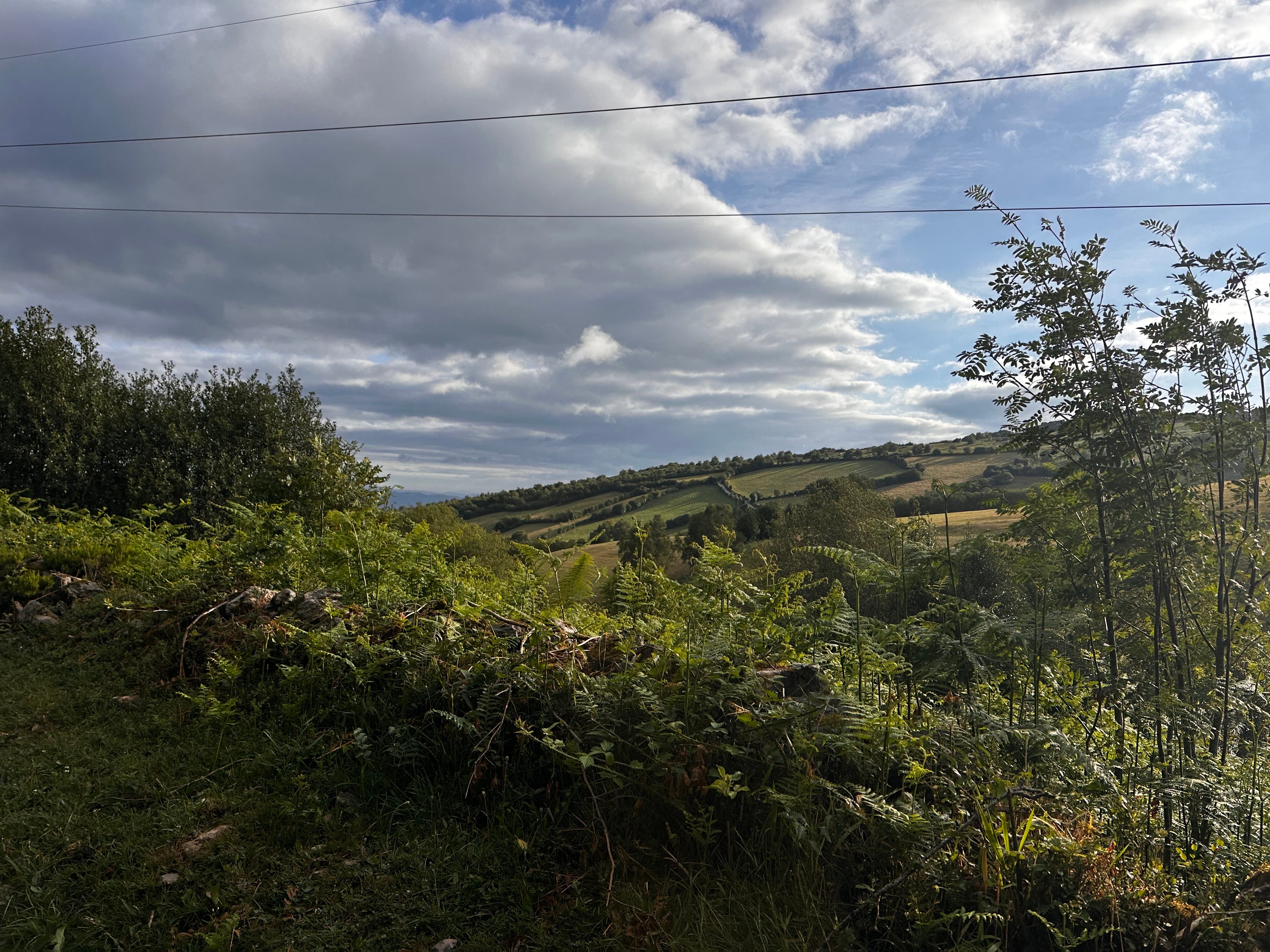
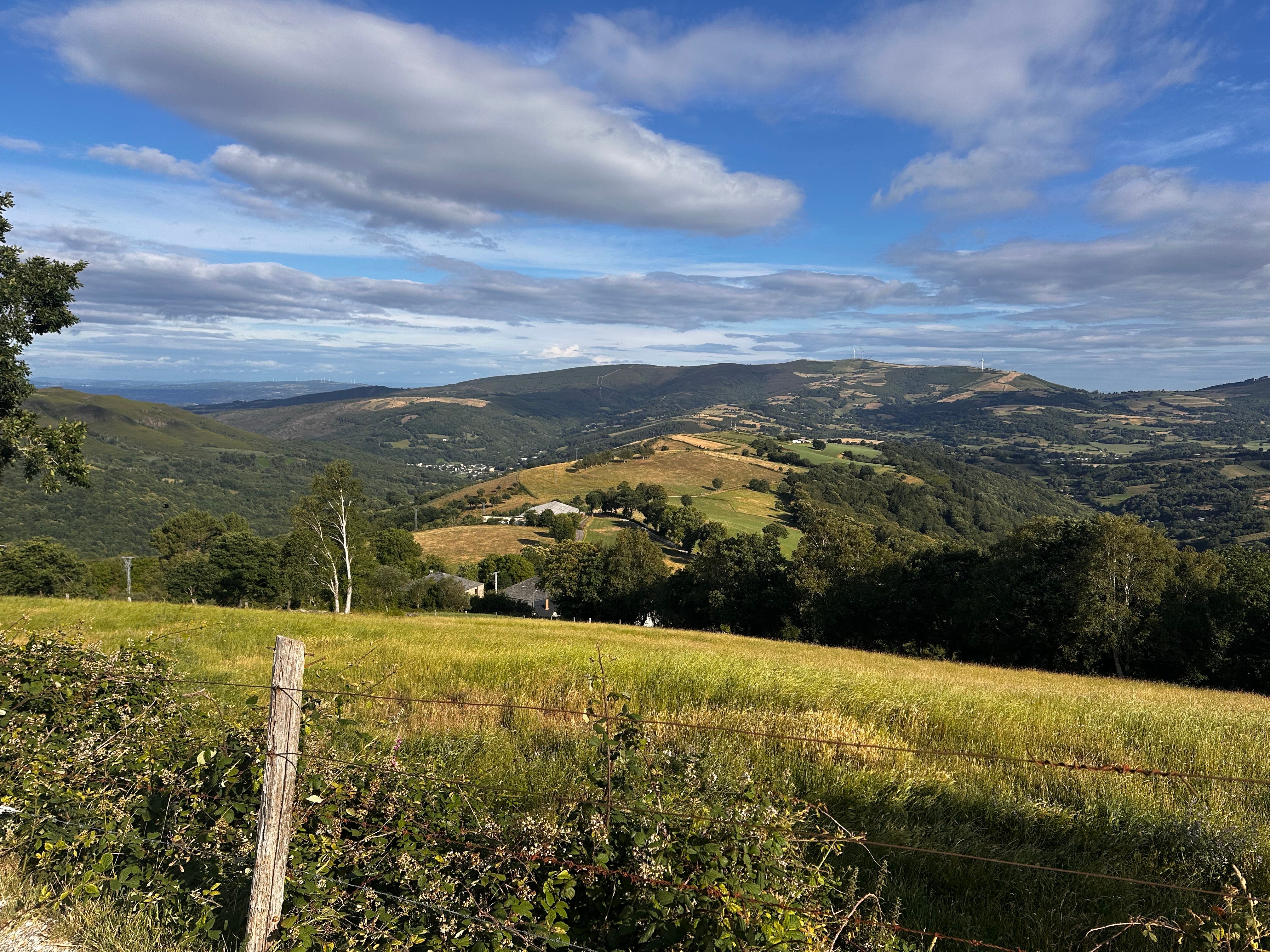
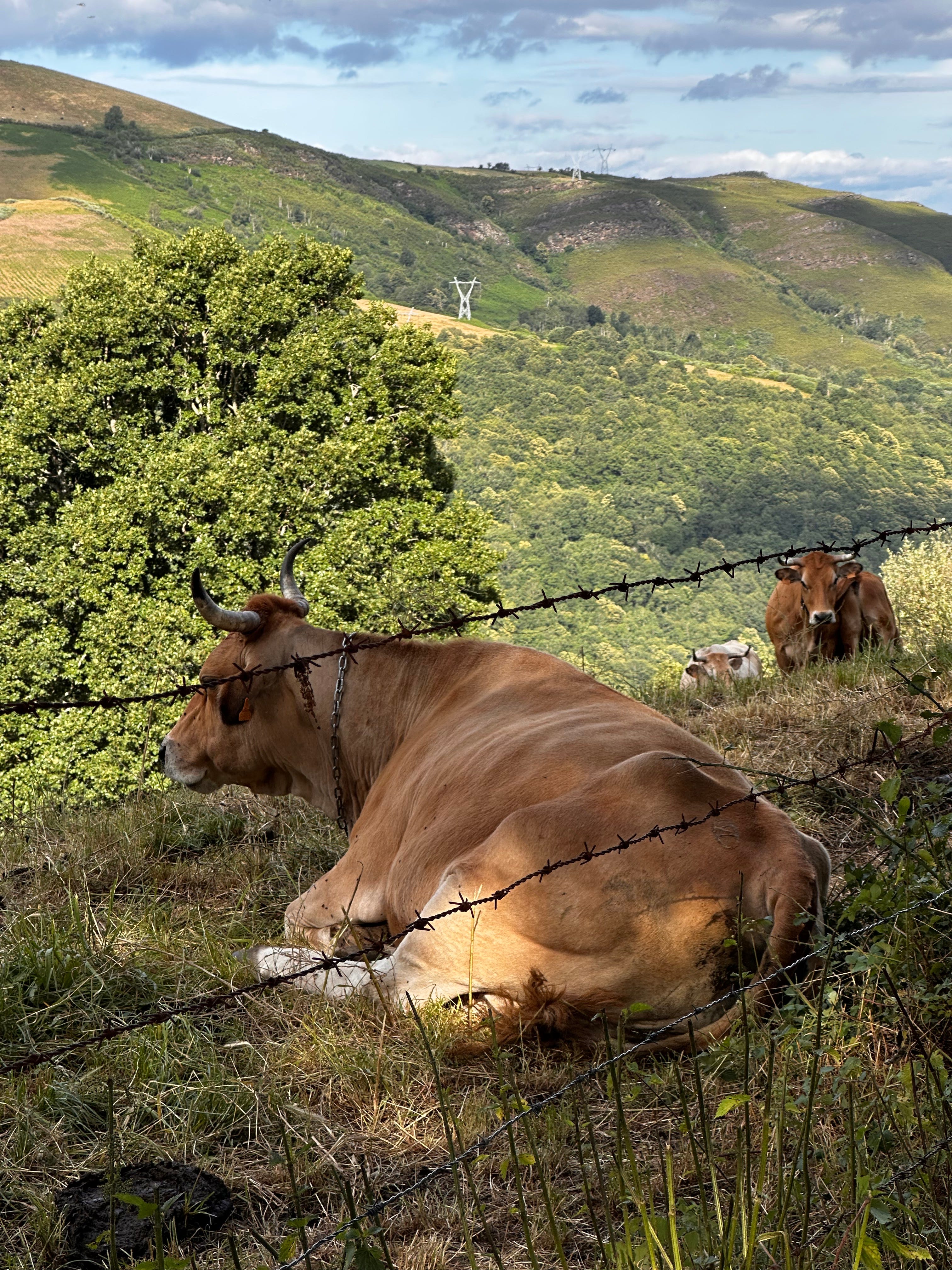
We came down off Fonfría in the early grey, the cloud sitting low and unbroken over the tops. The path gave the valley up slowly. First the near fields, then the hill behind them, then a paler hill behind that, until the last ranges stood at the edge of sight and turned the shade of blue that distance makes. Power lines ran straight out across much of the landscape, drawn over a country that keeps no straight lines of its own. Below the power lines, the cattle paid no attention, red and brown in the wet grass, in the meadows striped where the hay had been cut.
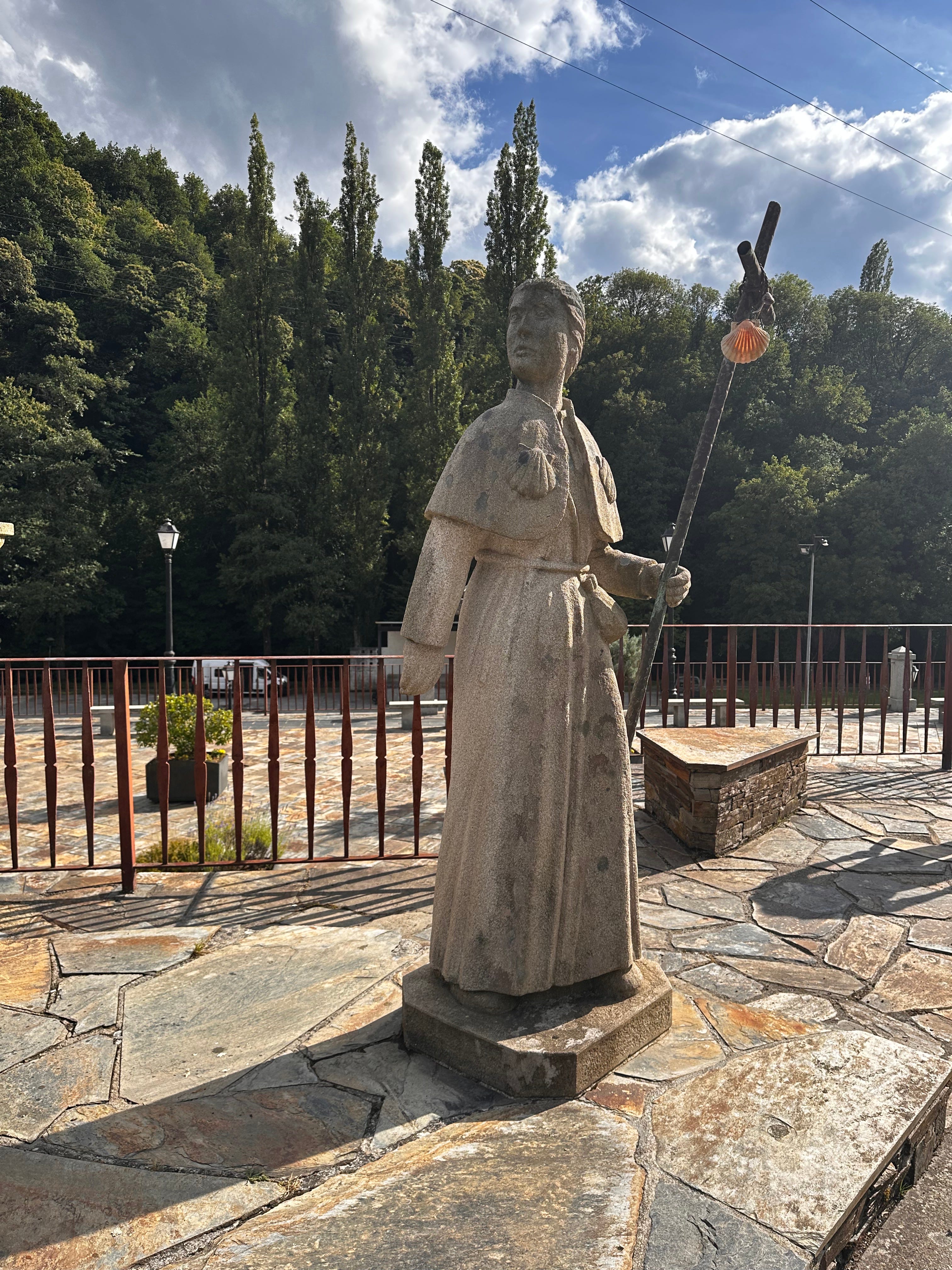
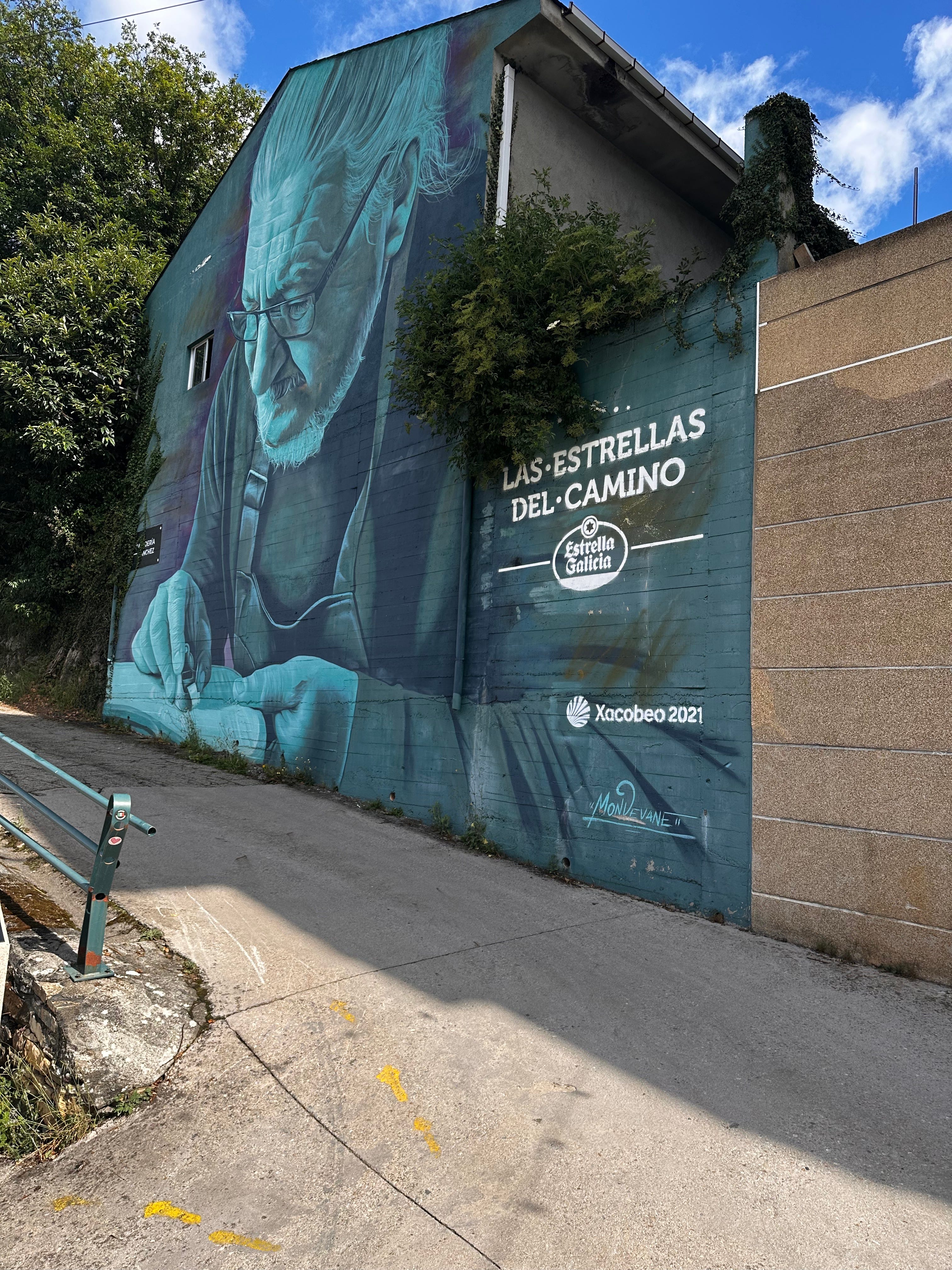
Triacastela waited at the bottom in the valley. Three castles gave the place its name and not one of them survived. You arrive expecting walls and find a small Galician town, a church, a stamp for the credencial. It earned its place in history of the Way all the same. For centuries the pilgrims who stopped here took on a piece of limestone and carried it the long miles to the kilns at Castañeda, where it was burned to lime for the slow raising of the cathedral at Santiago. That way the medieval pilgrims participated in the construction of the cathedral.
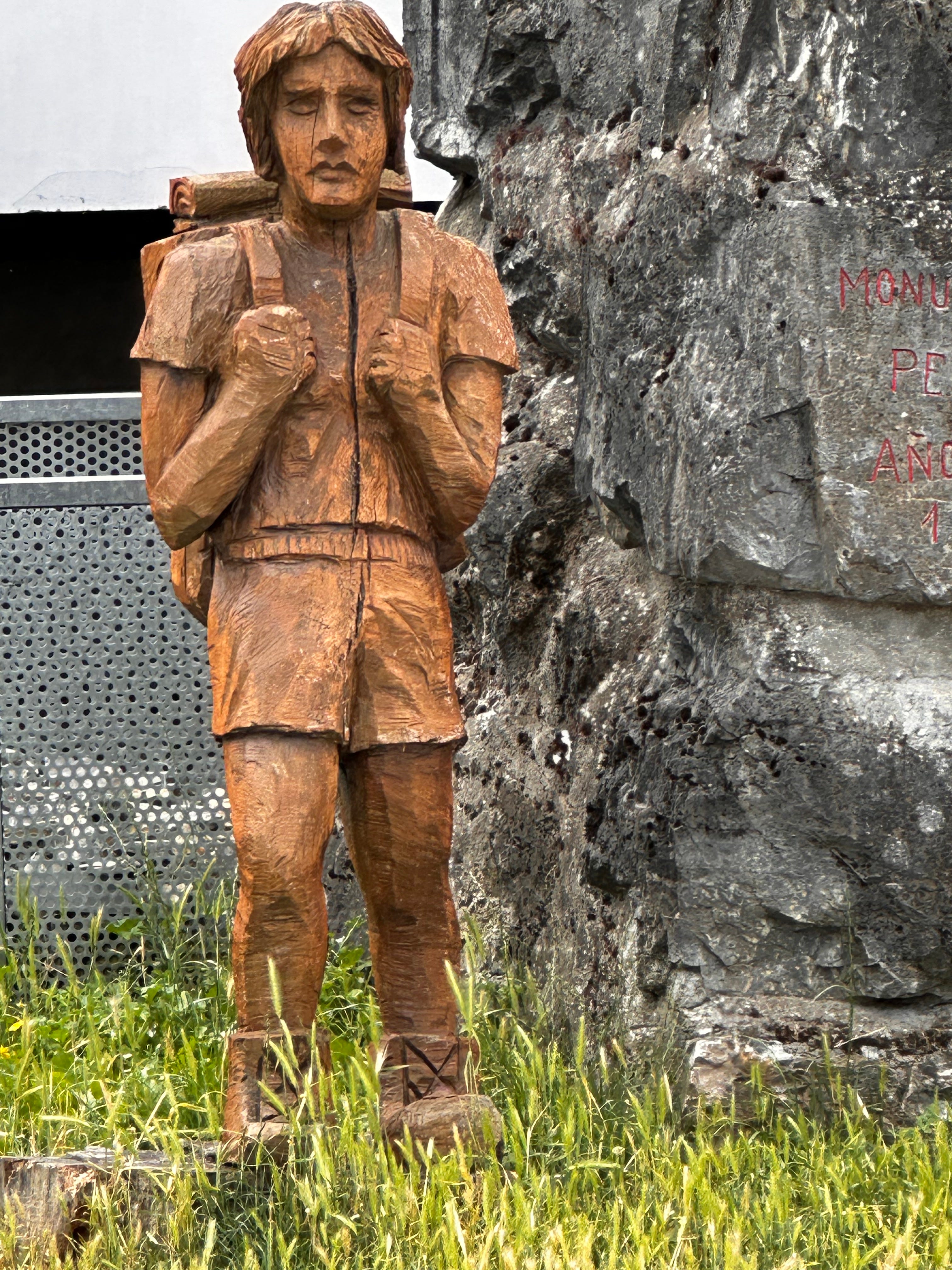
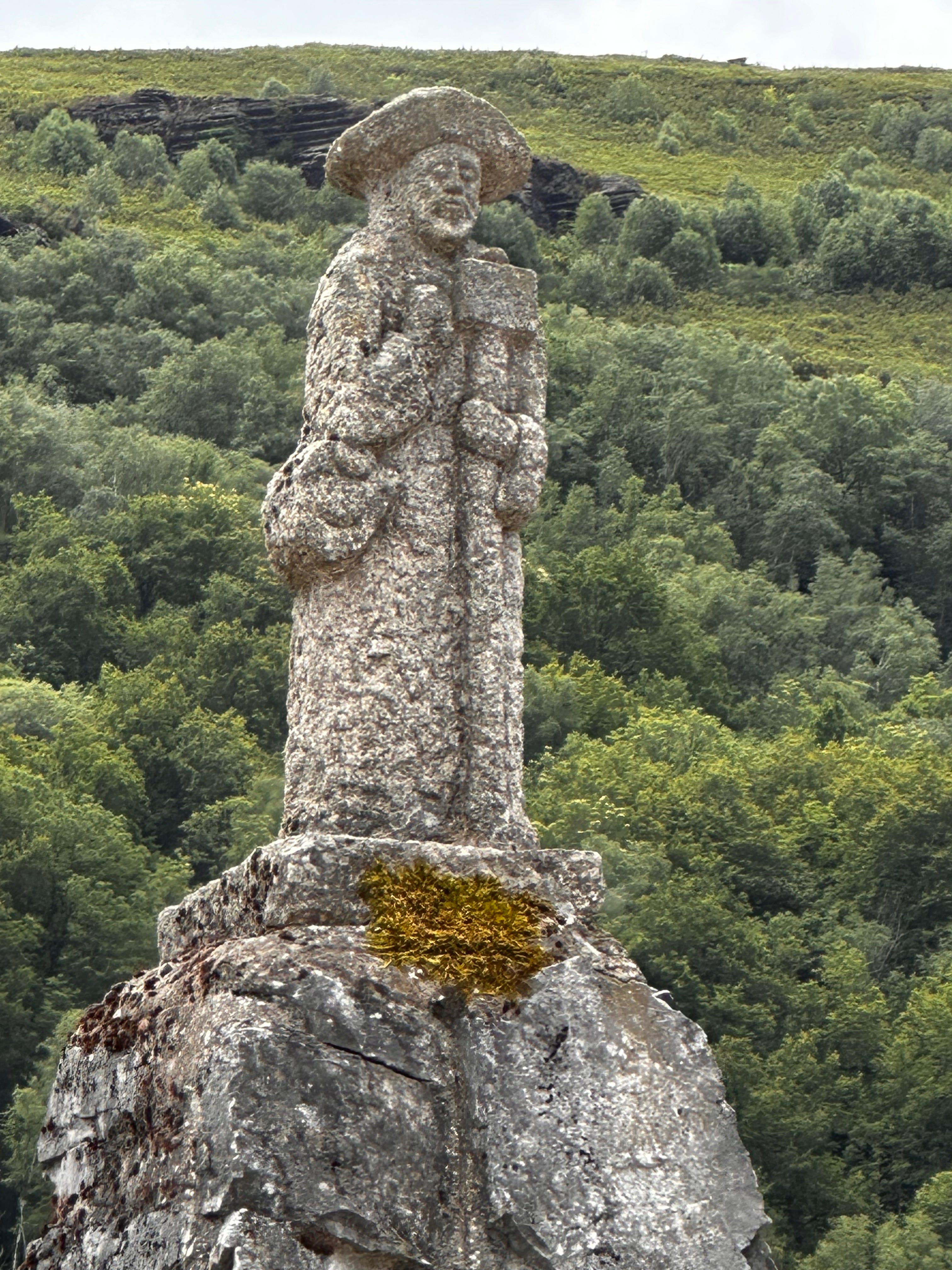
Beyond the town the way divides. One arm climbs hard over San Xil and arrives sooner. The other bends south and is longer, leading down to Samos and its monastery, and that was the one we wanted.
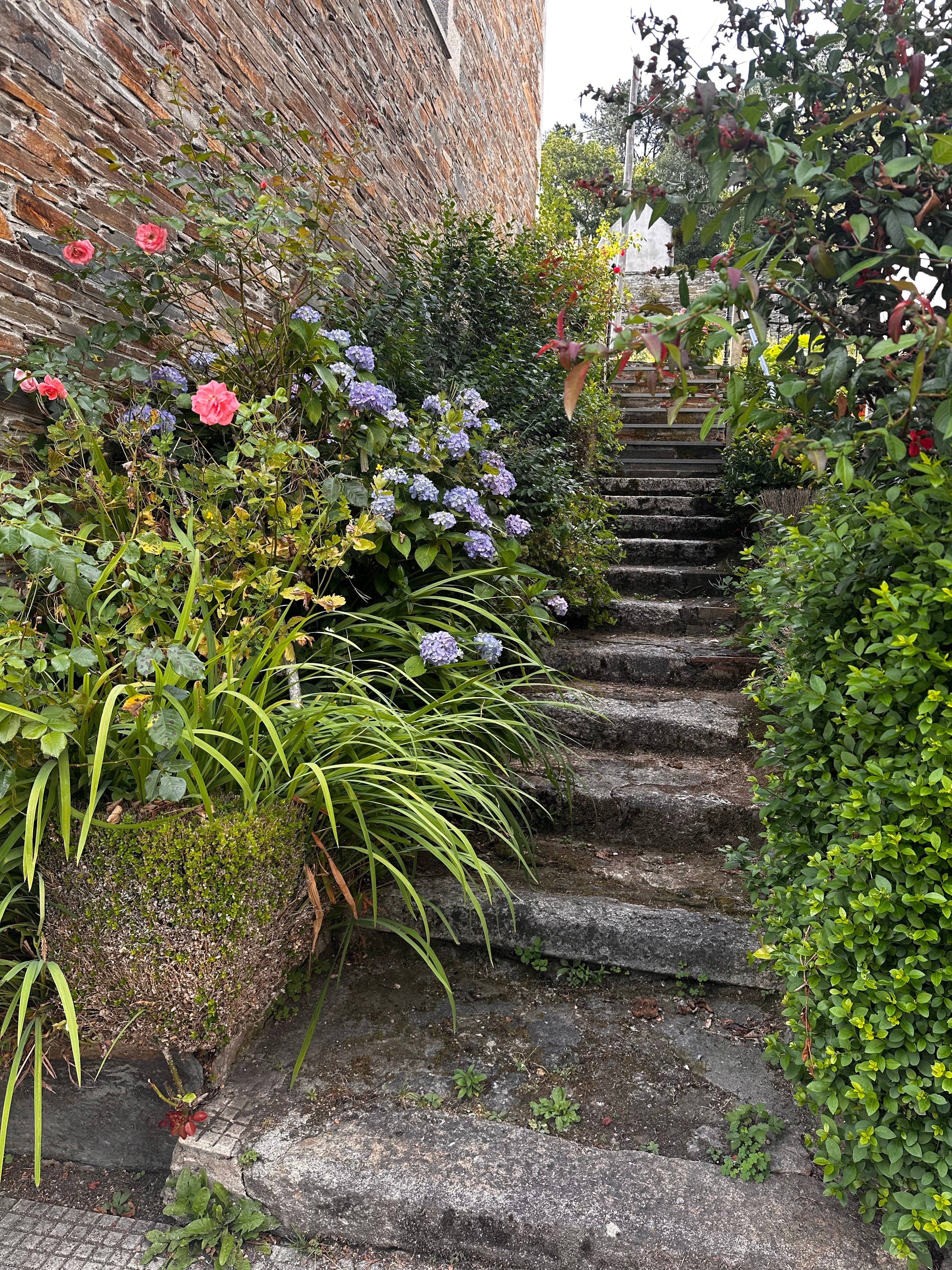
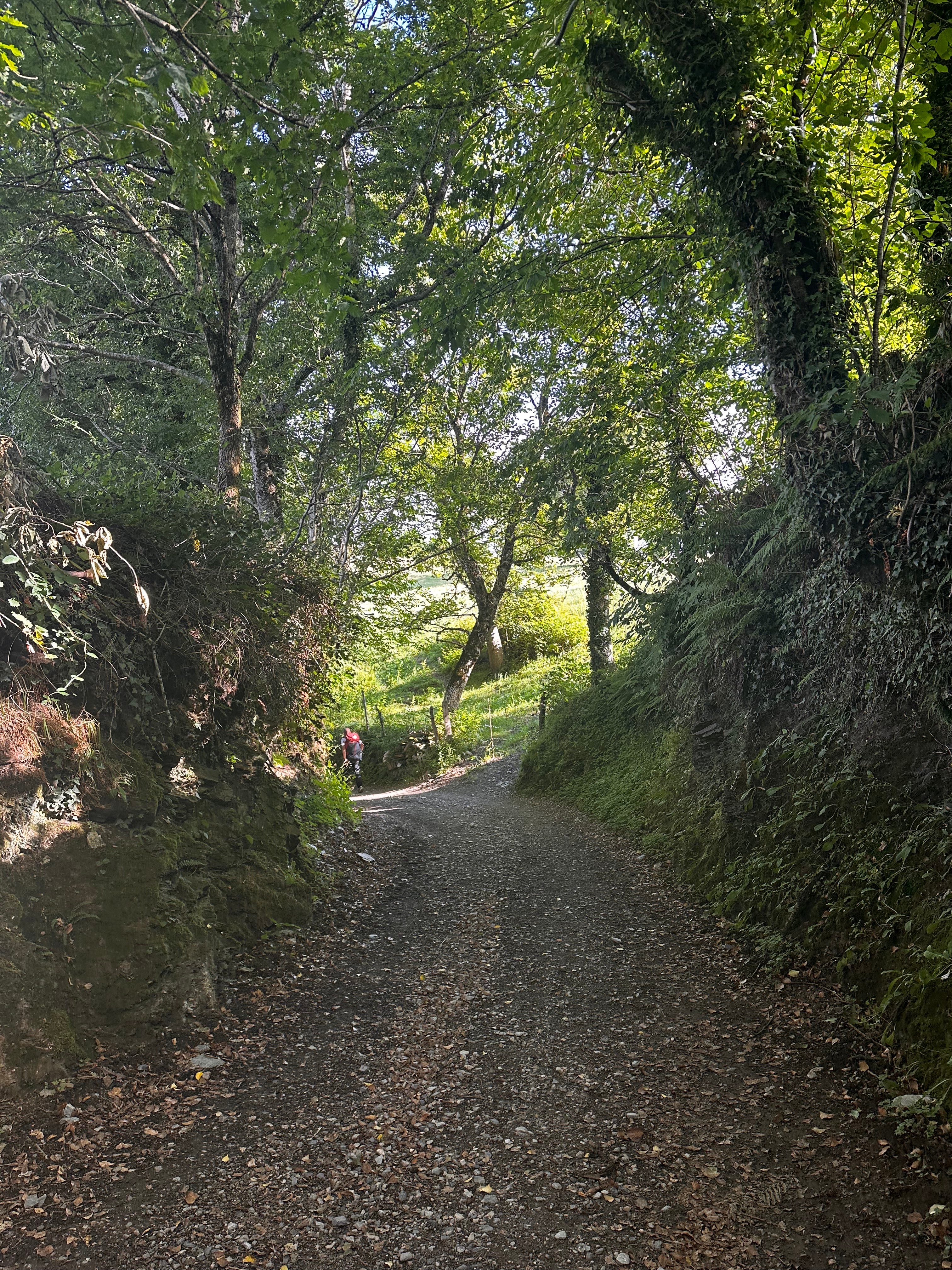
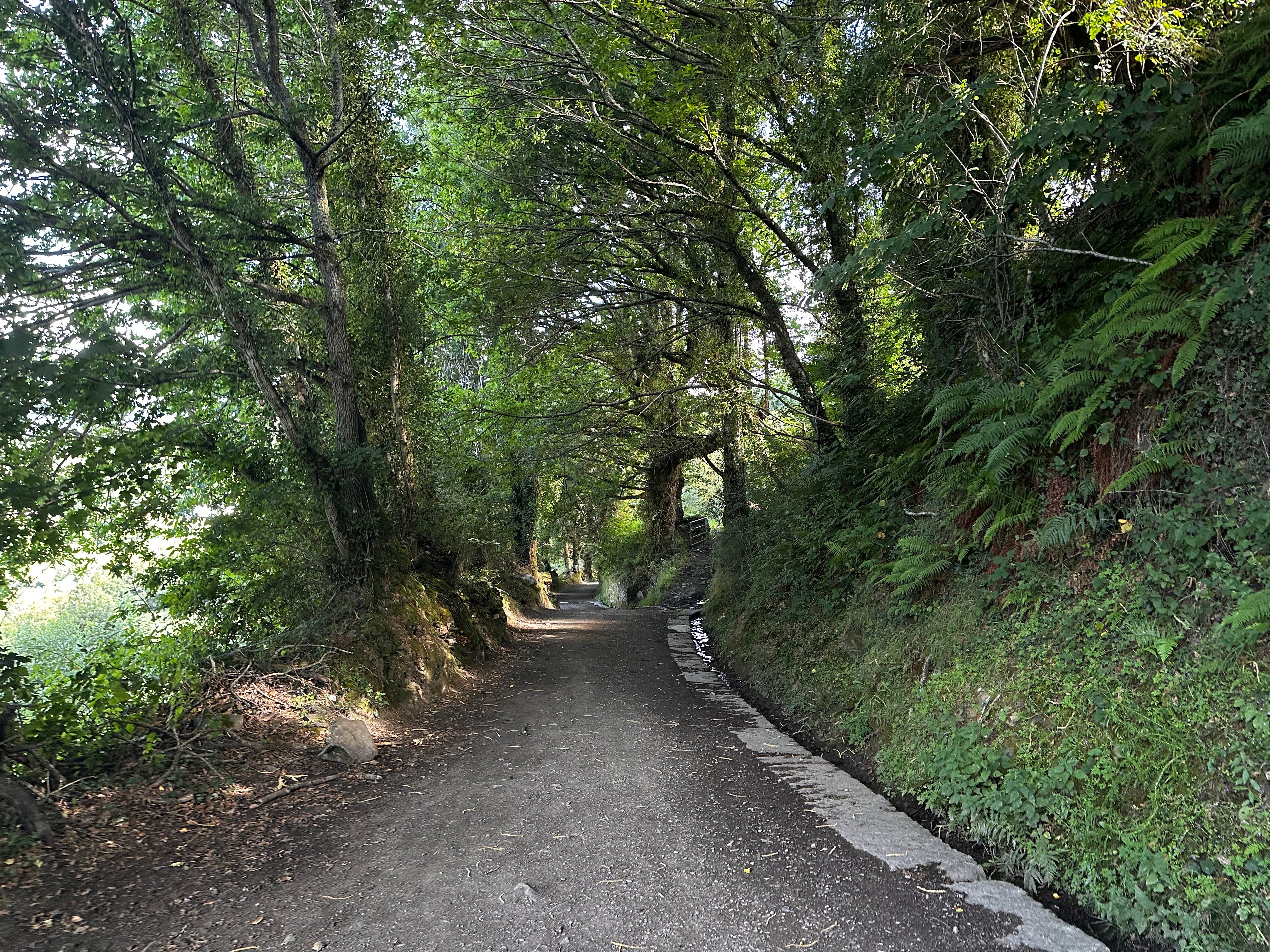
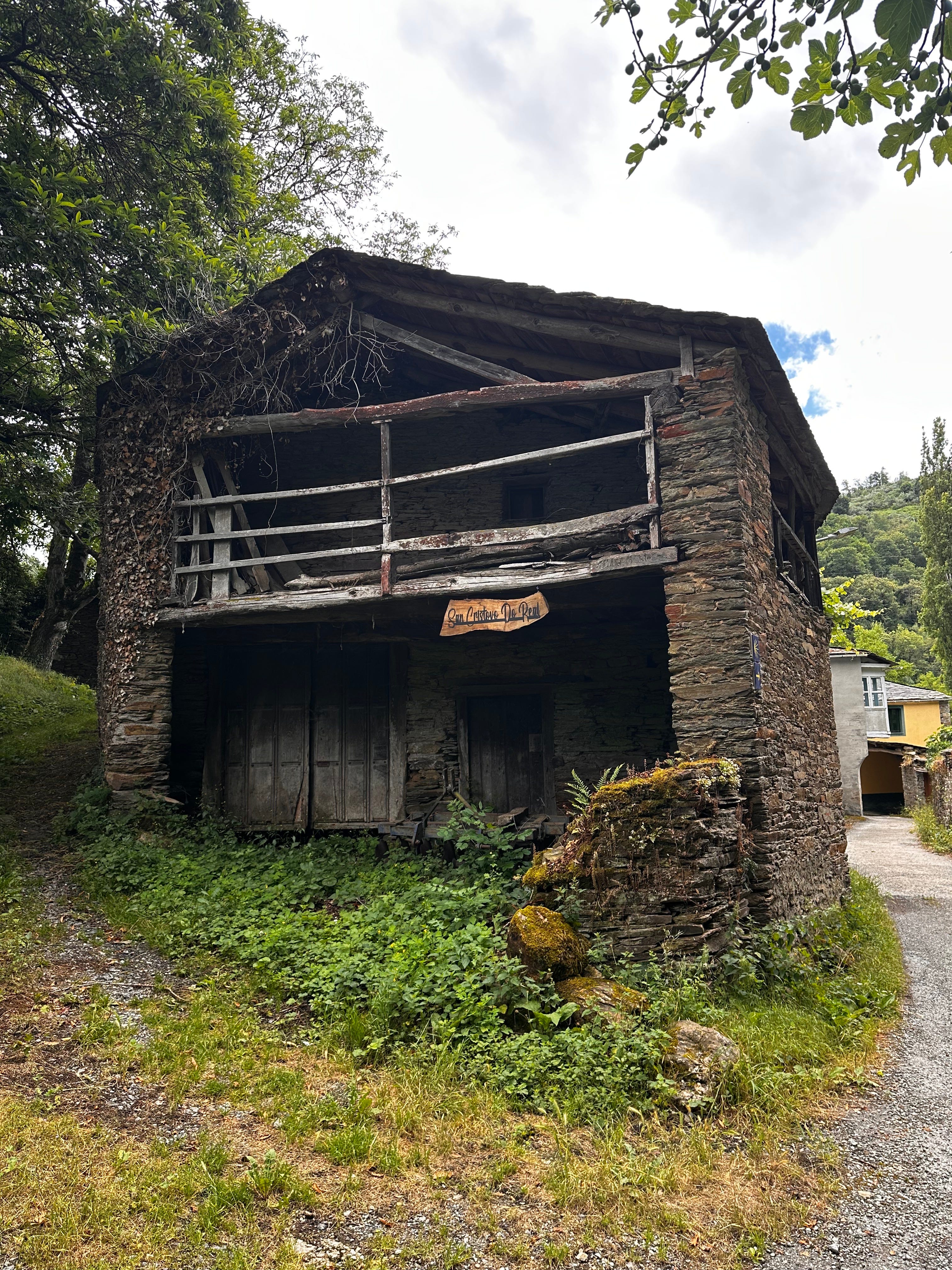
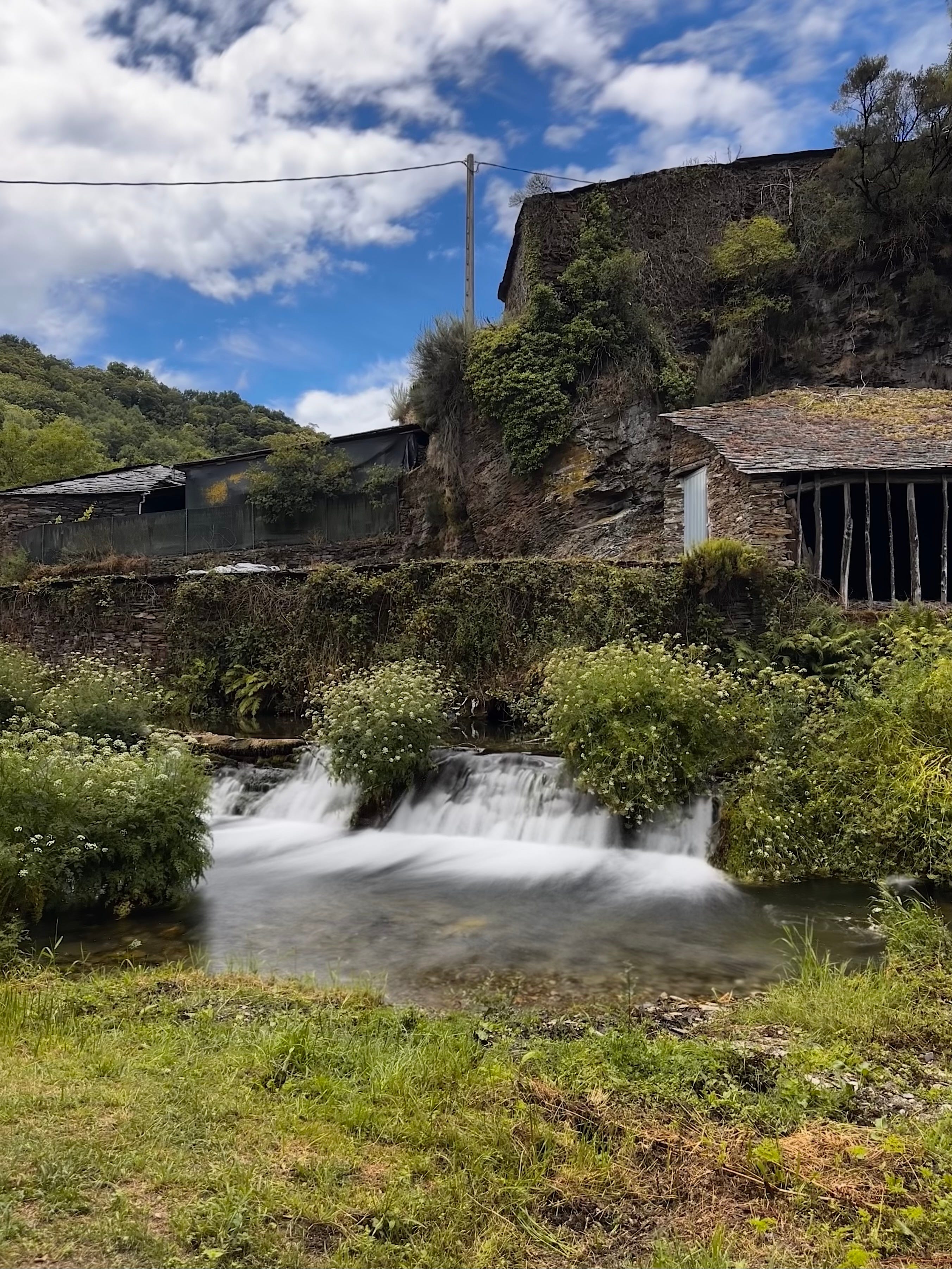
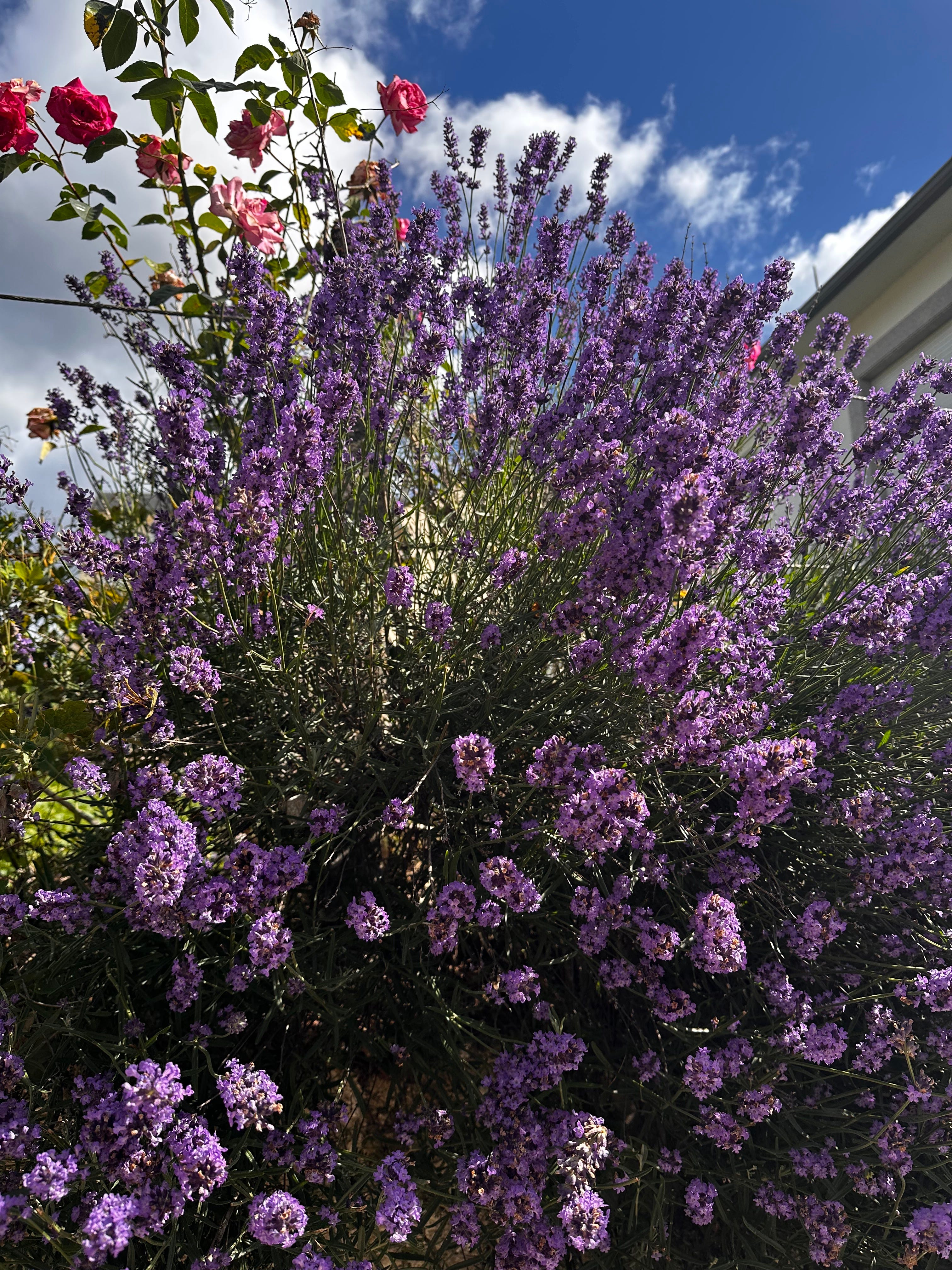
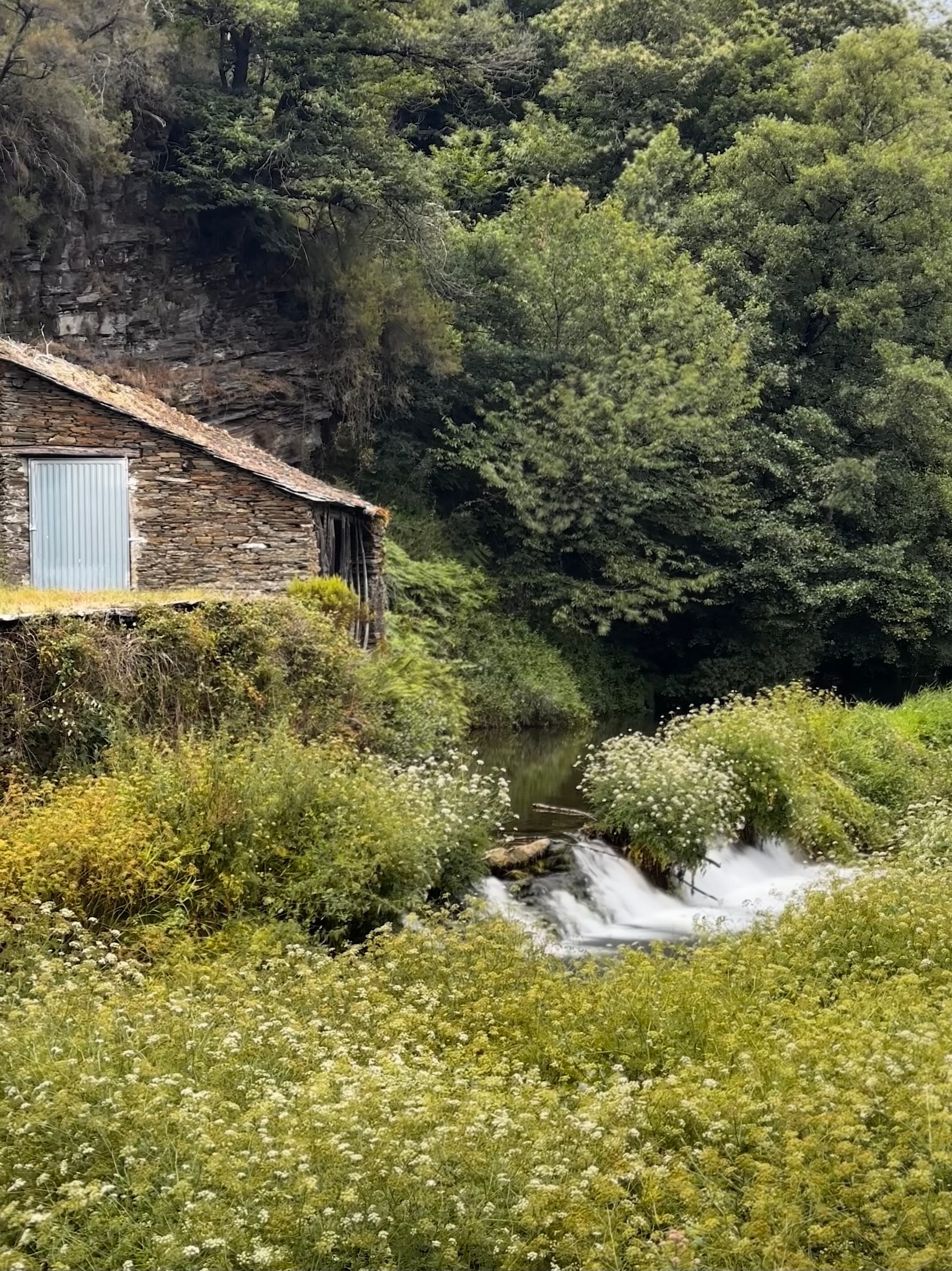
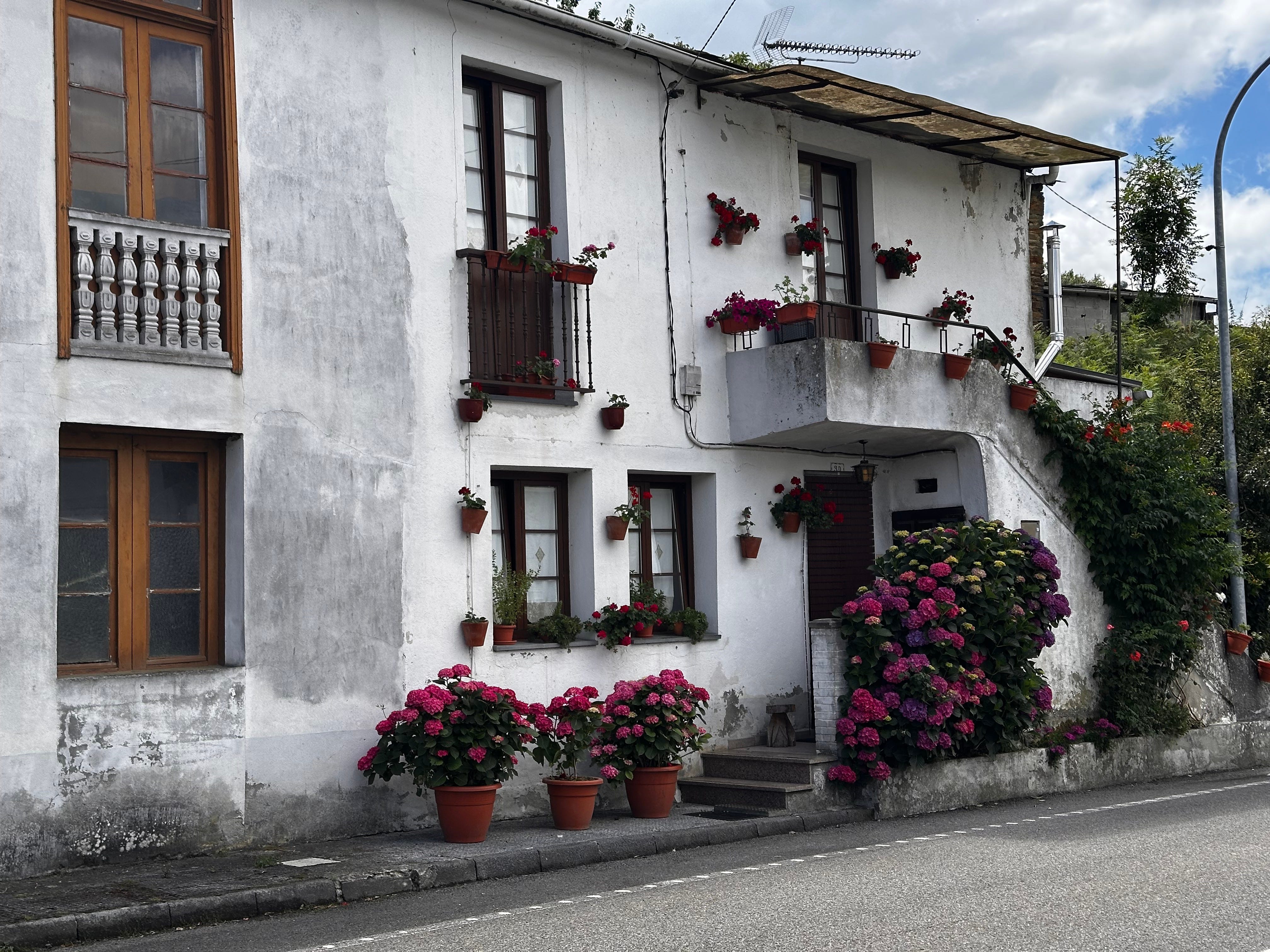
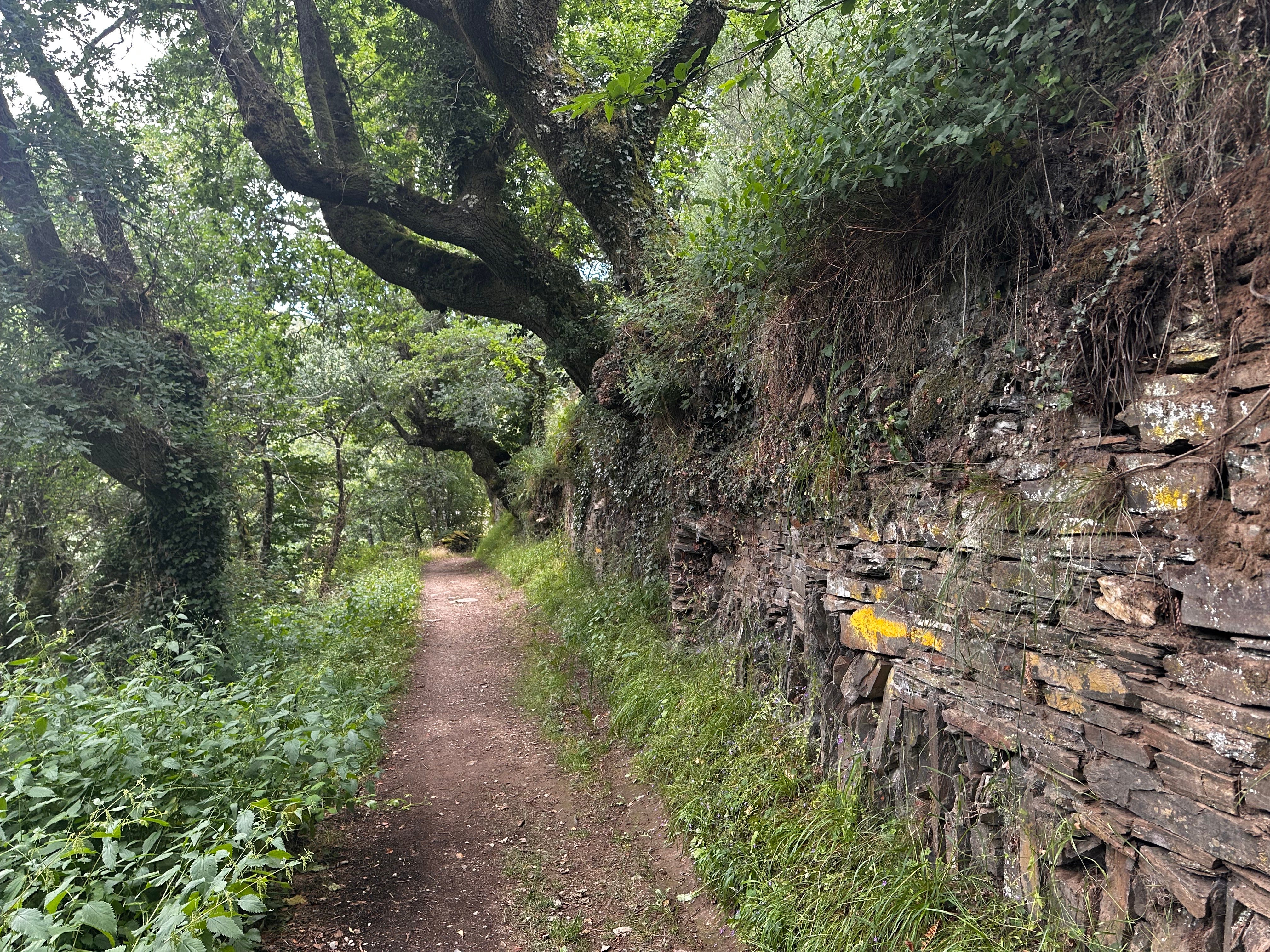
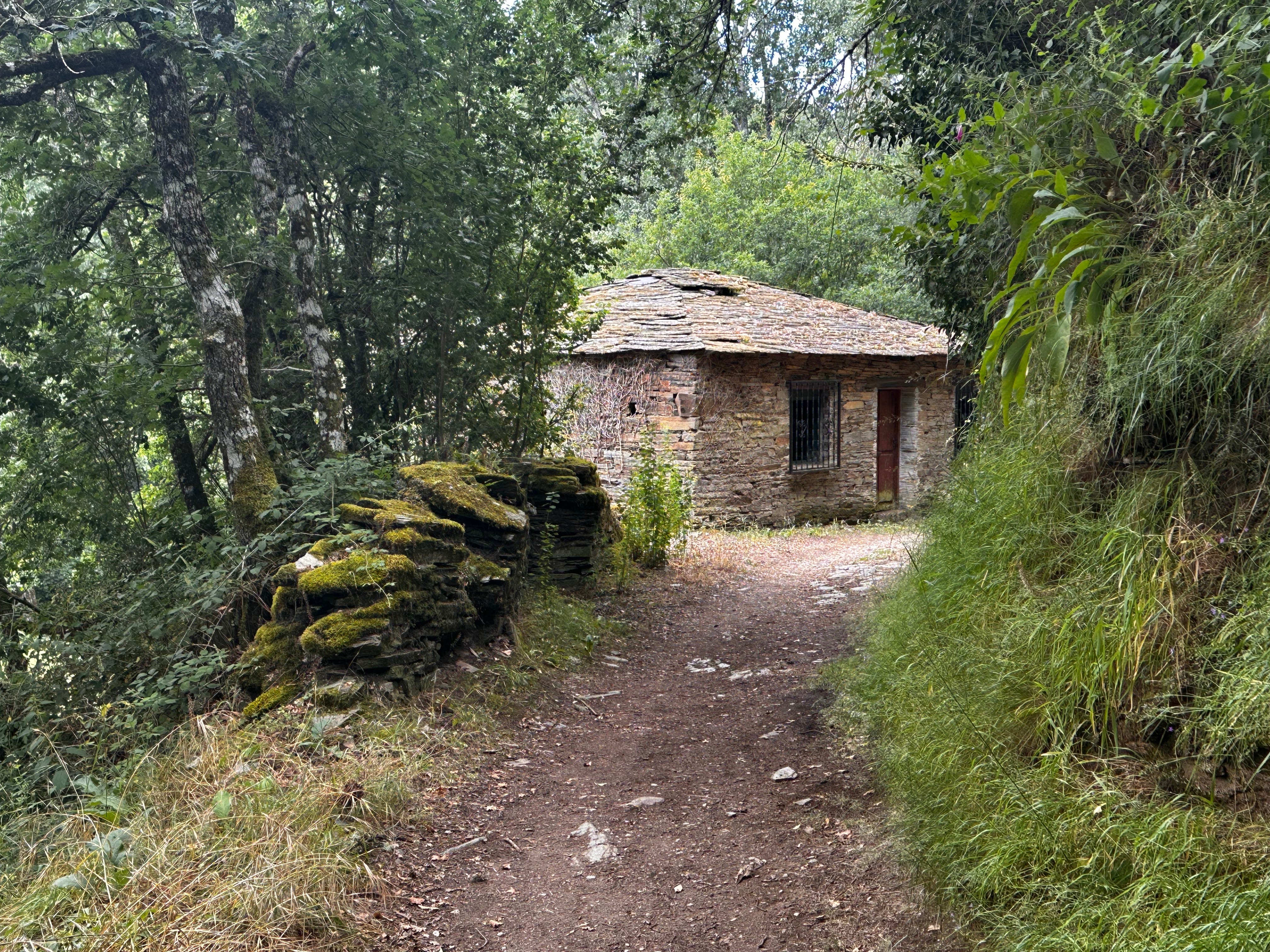
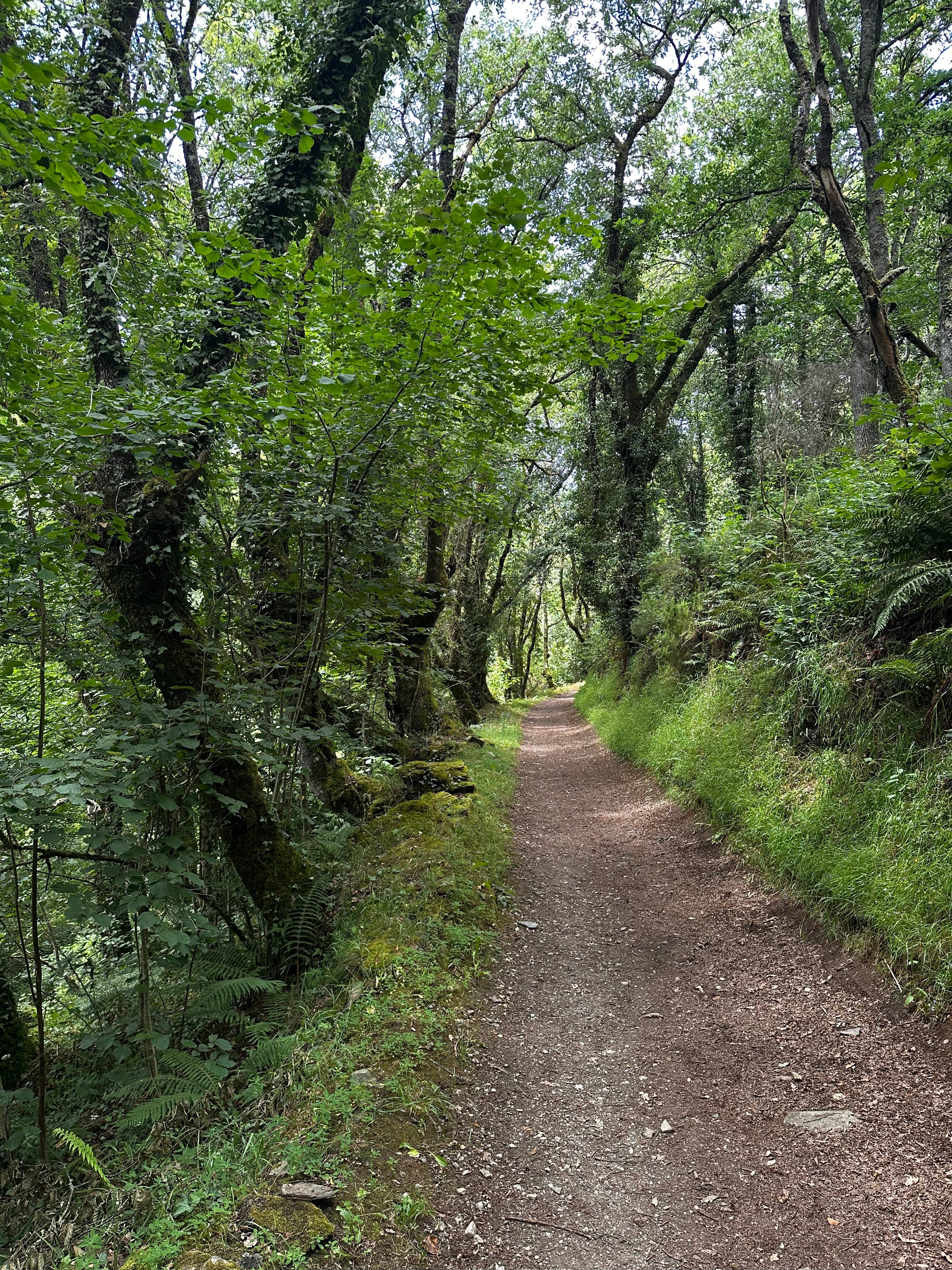
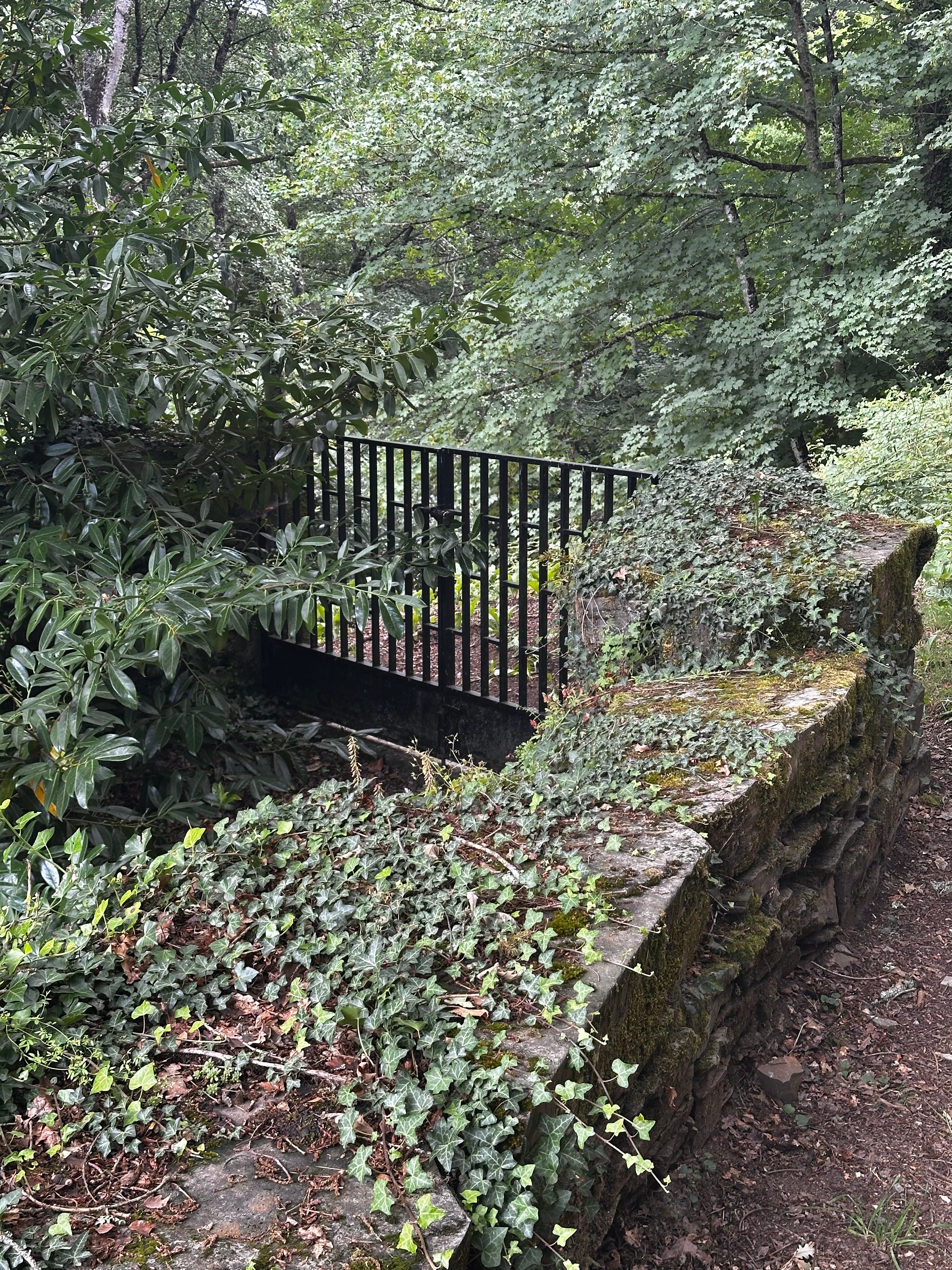
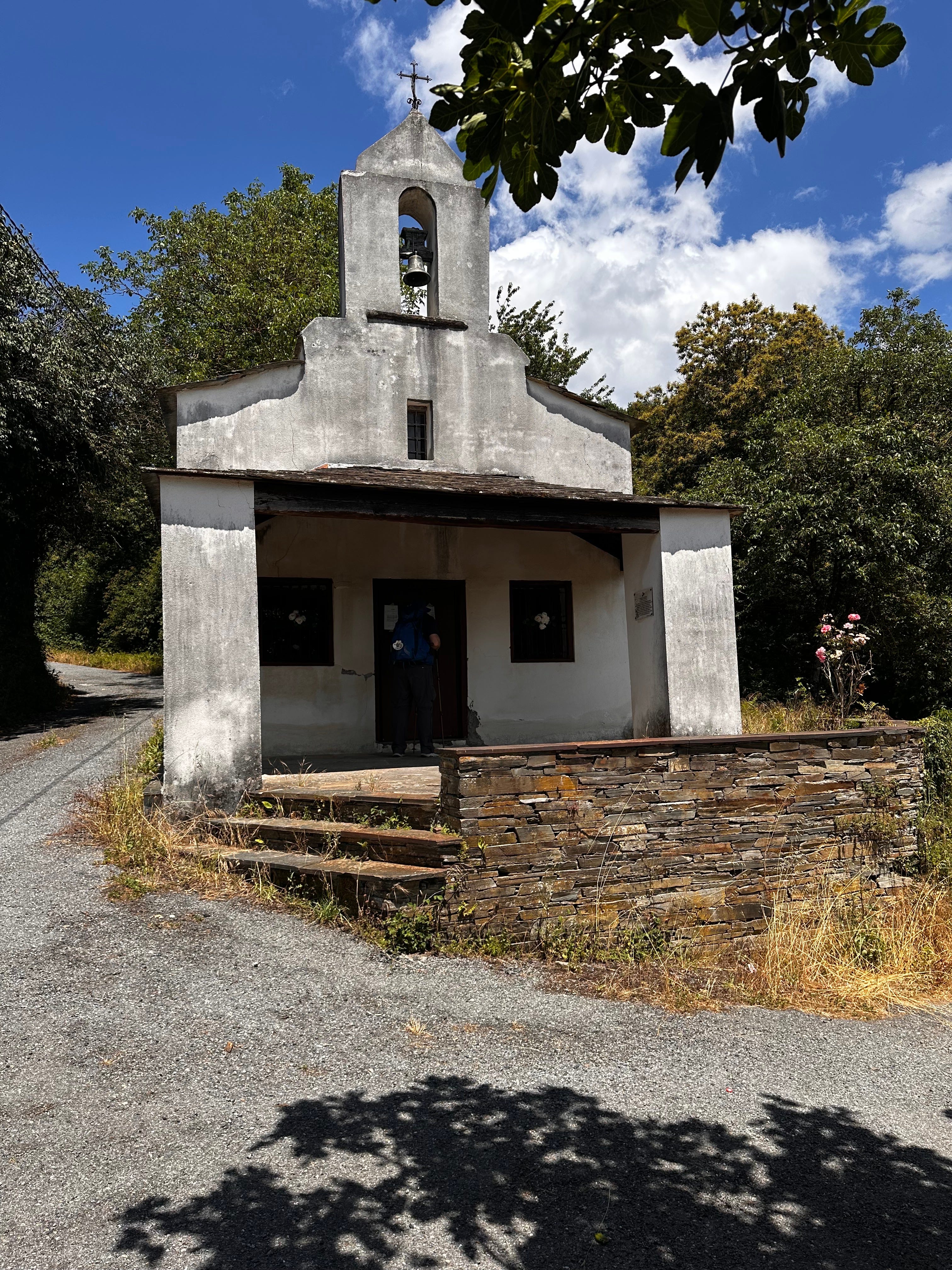
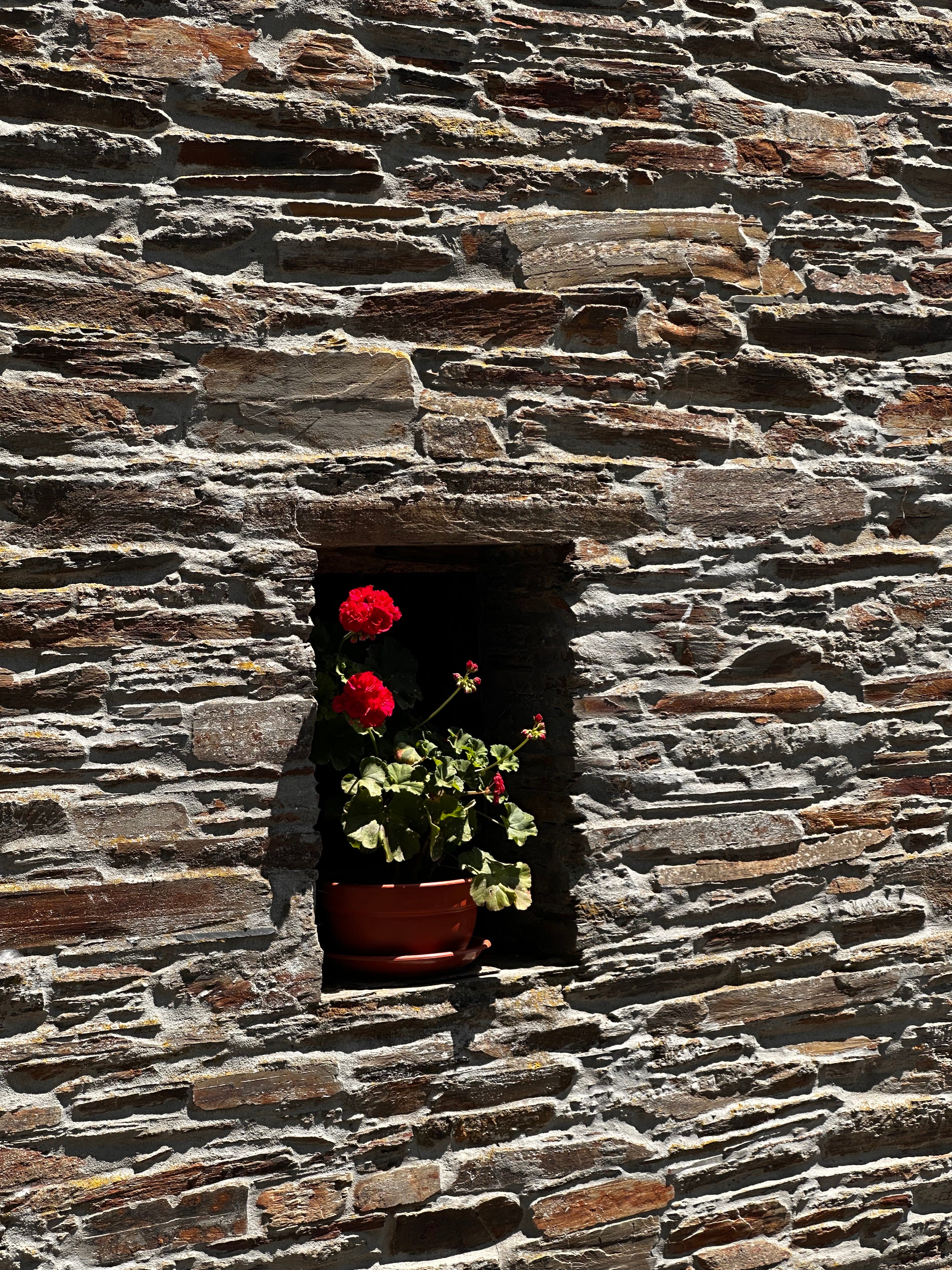
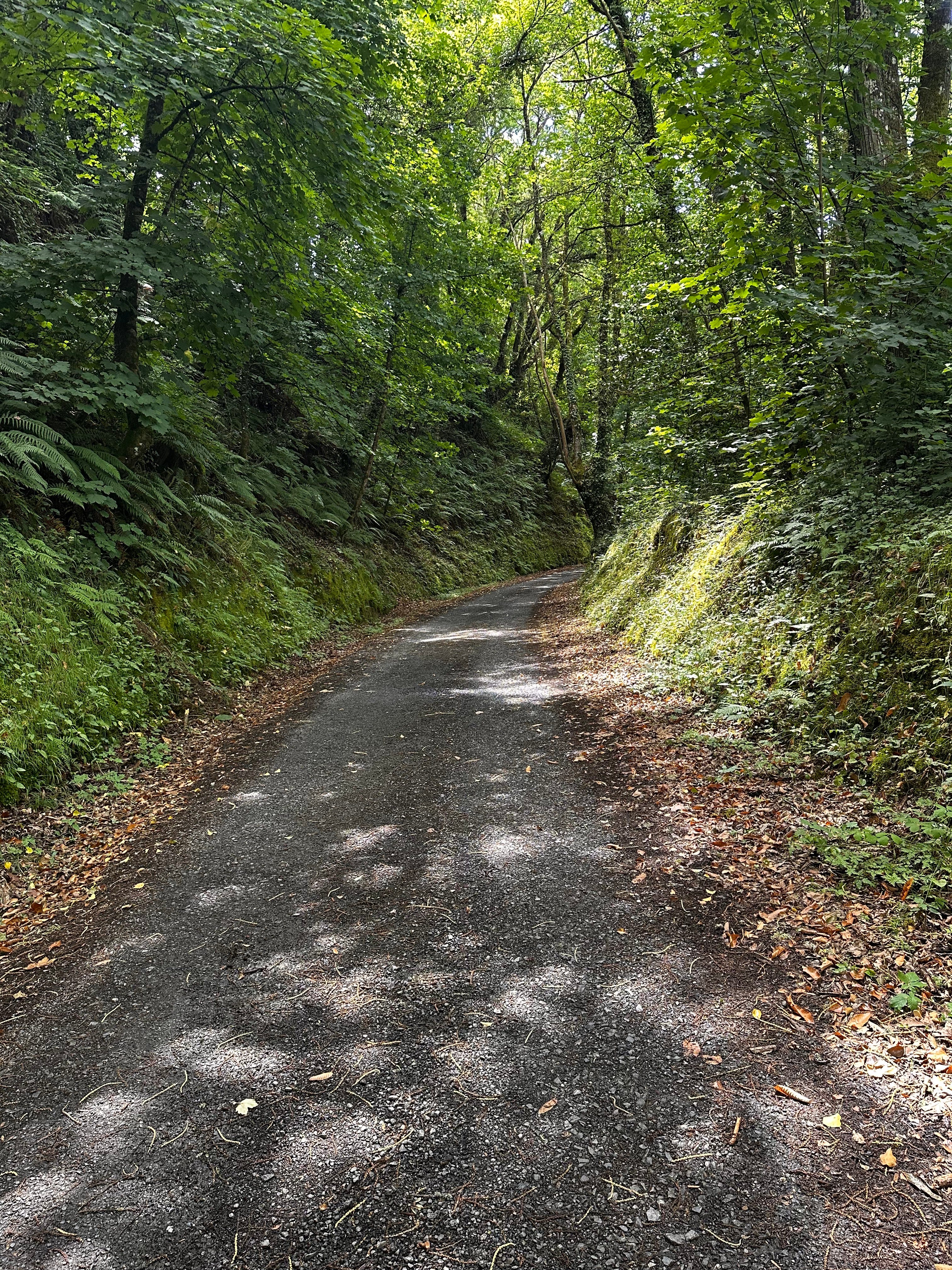
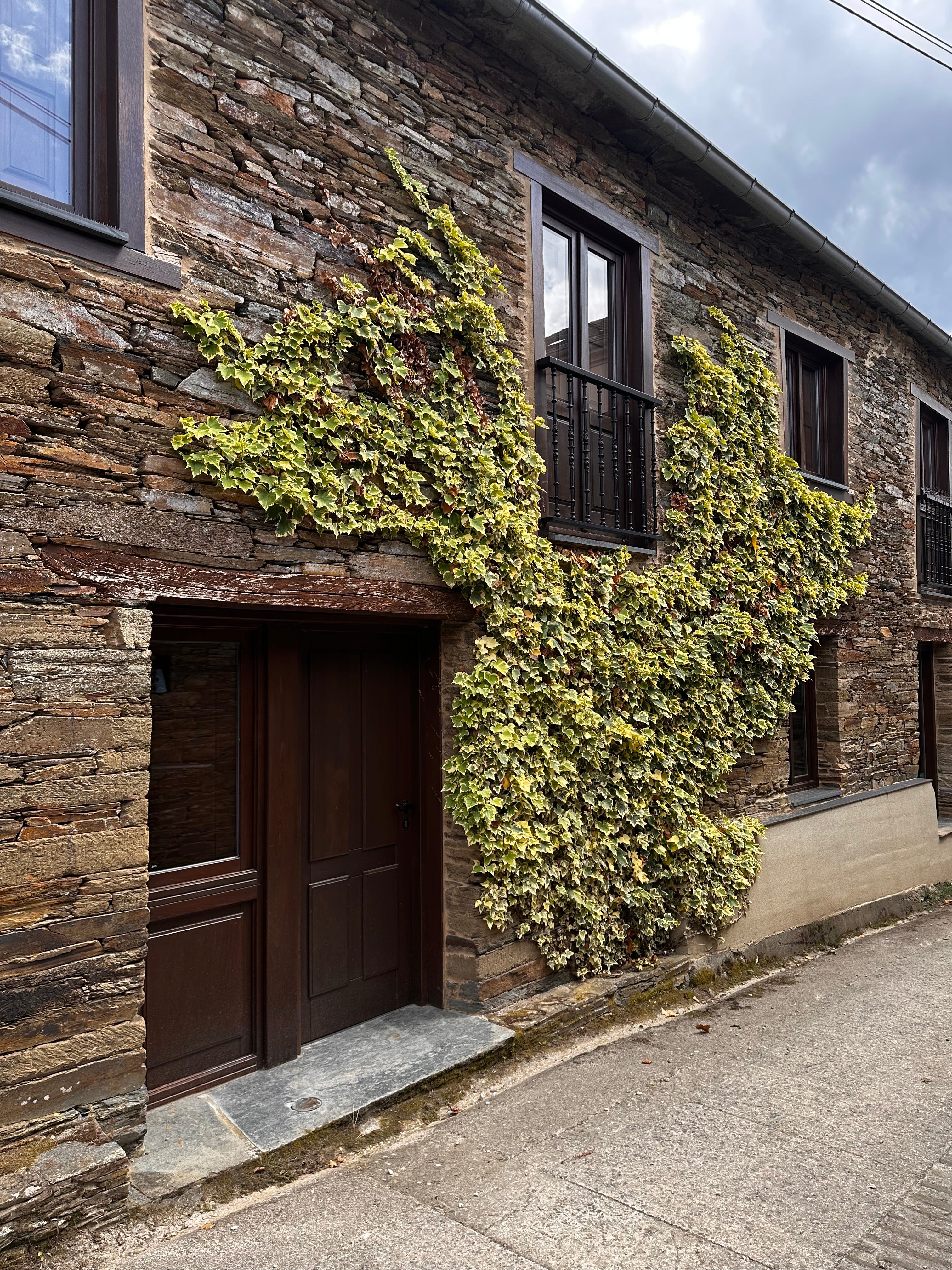
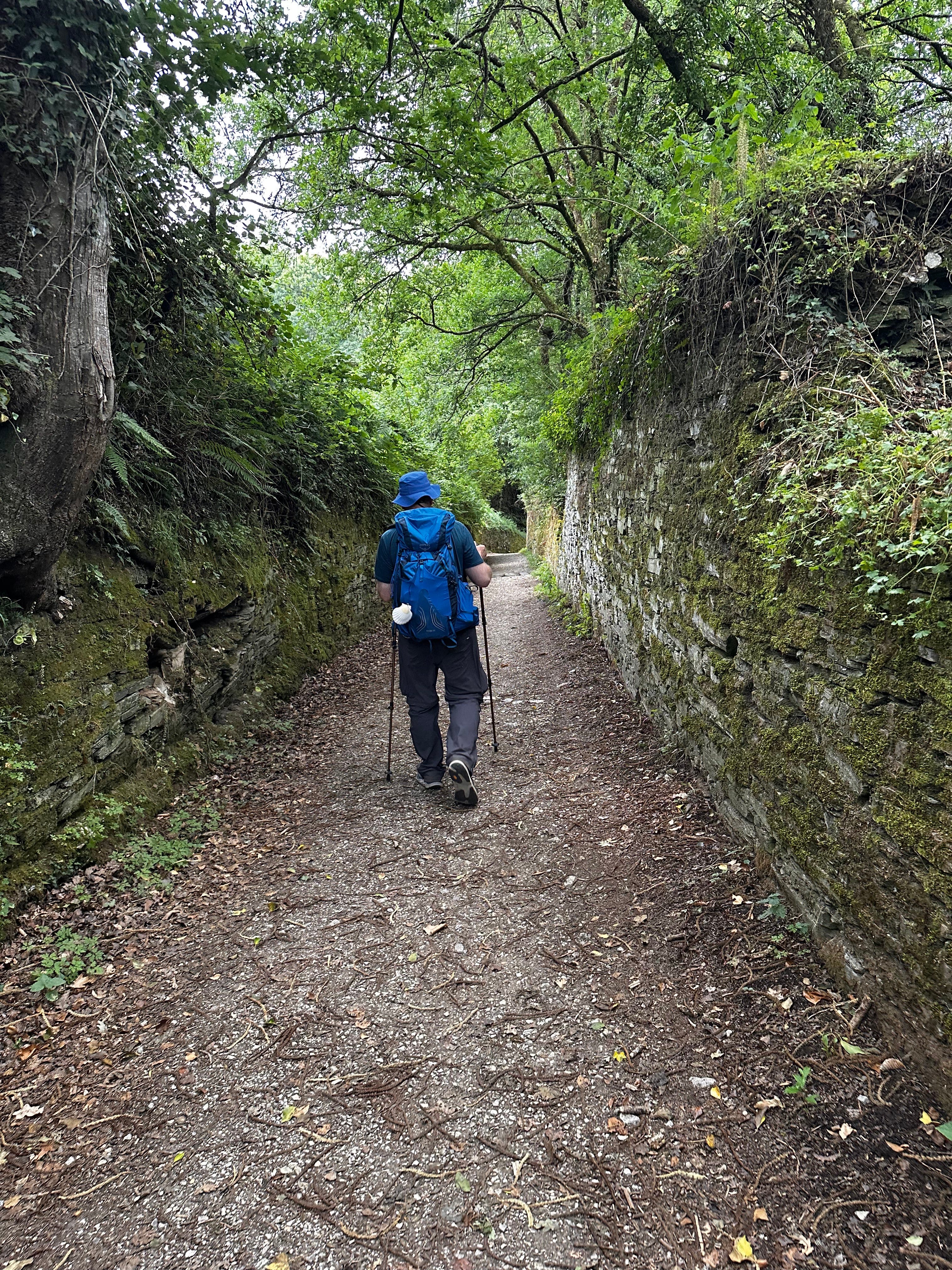
It was the kinder road and the more beautiful. It drops into the river valley and keeps low, under old oak and chestnut, the track worn dark and packed smooth, edged here and there with set stone. The light came down in pieces through the leaves and moved when they moved. We went a long way without meeting anyone. The hamlets we passed were mostly shut, an empty house standing beside a lived-in one, and at one of them a garden had carried on without much help from anyone, the lavender gone violet and full, roses leaning over it into the blue.
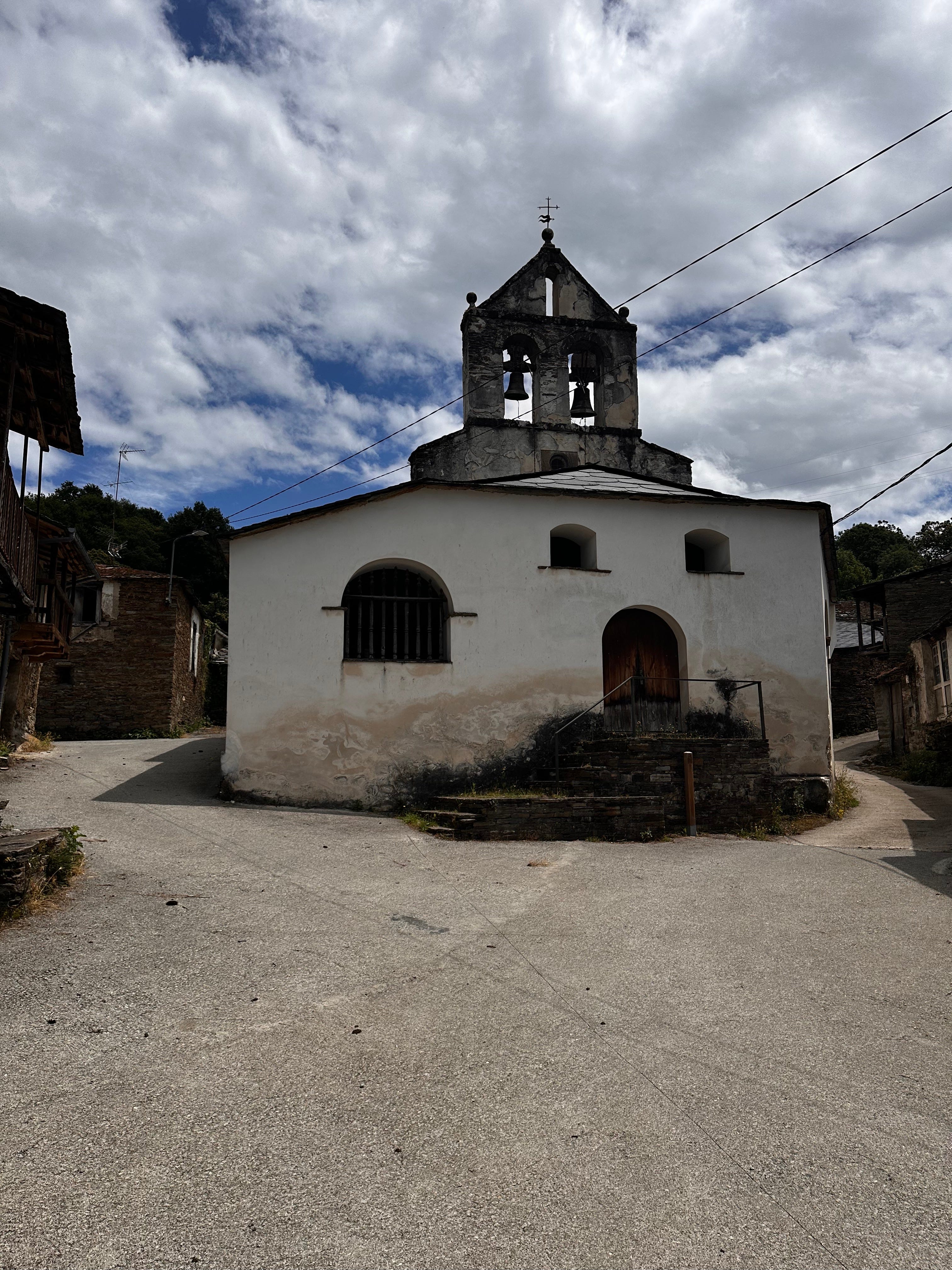
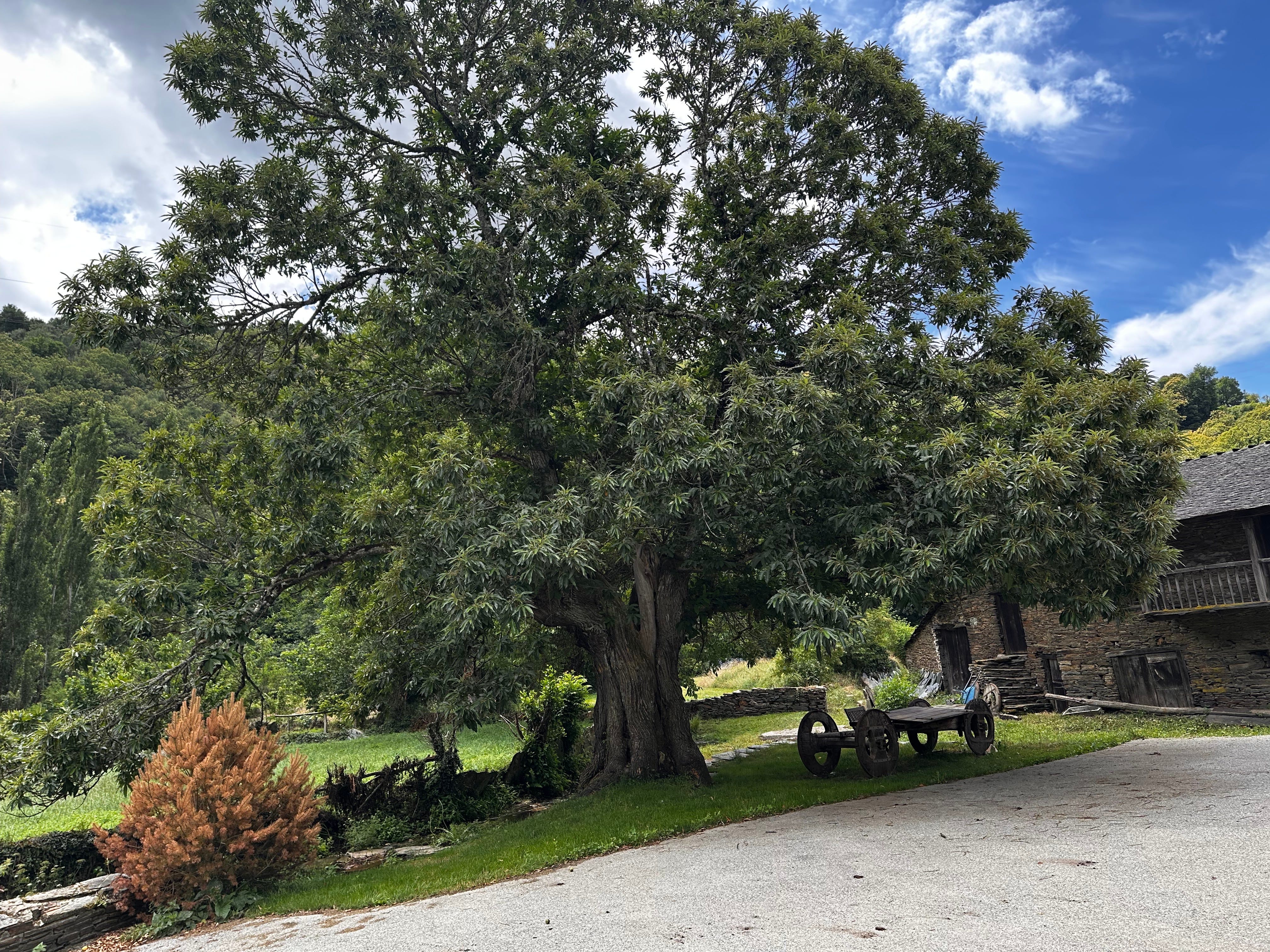
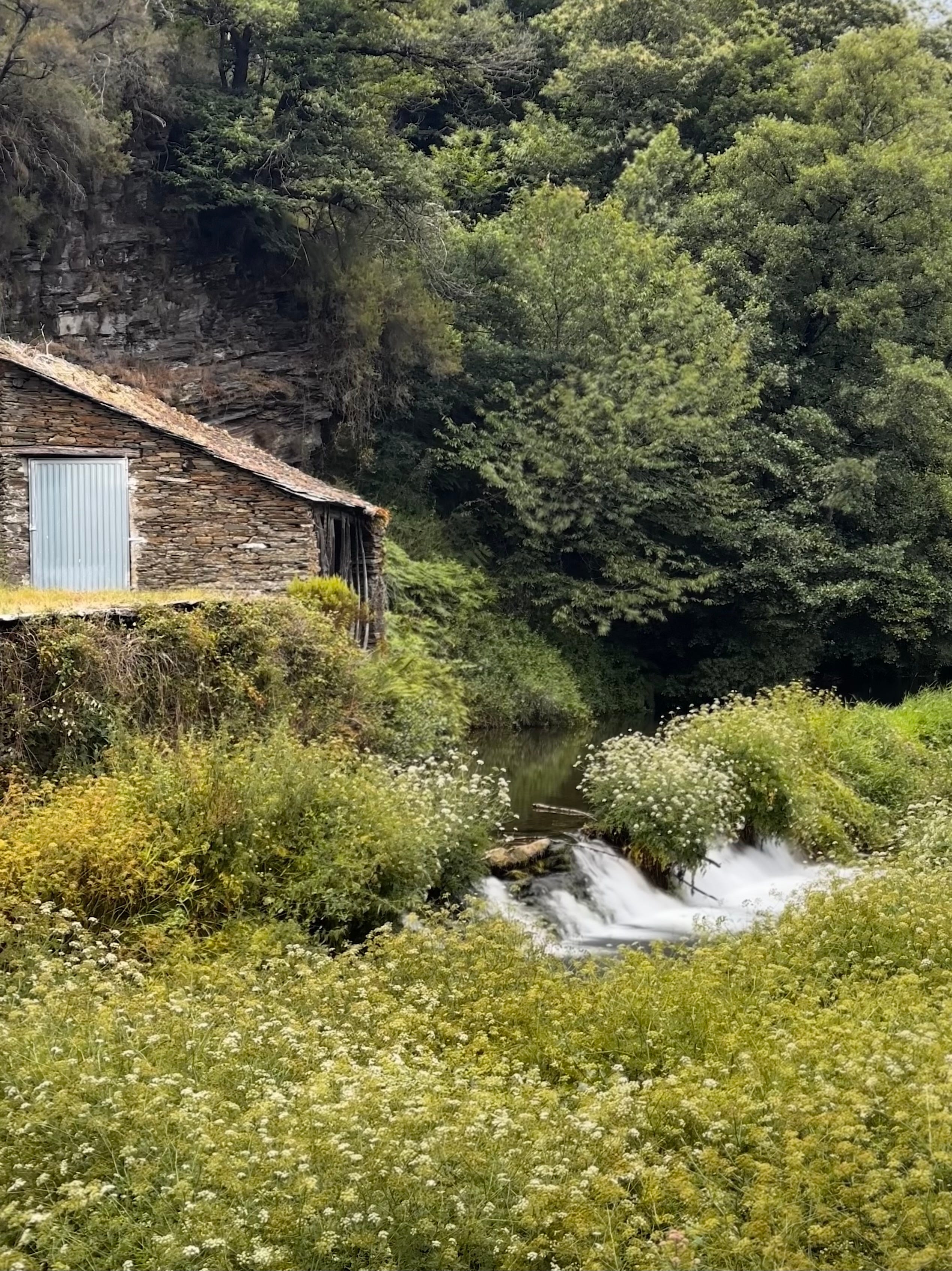
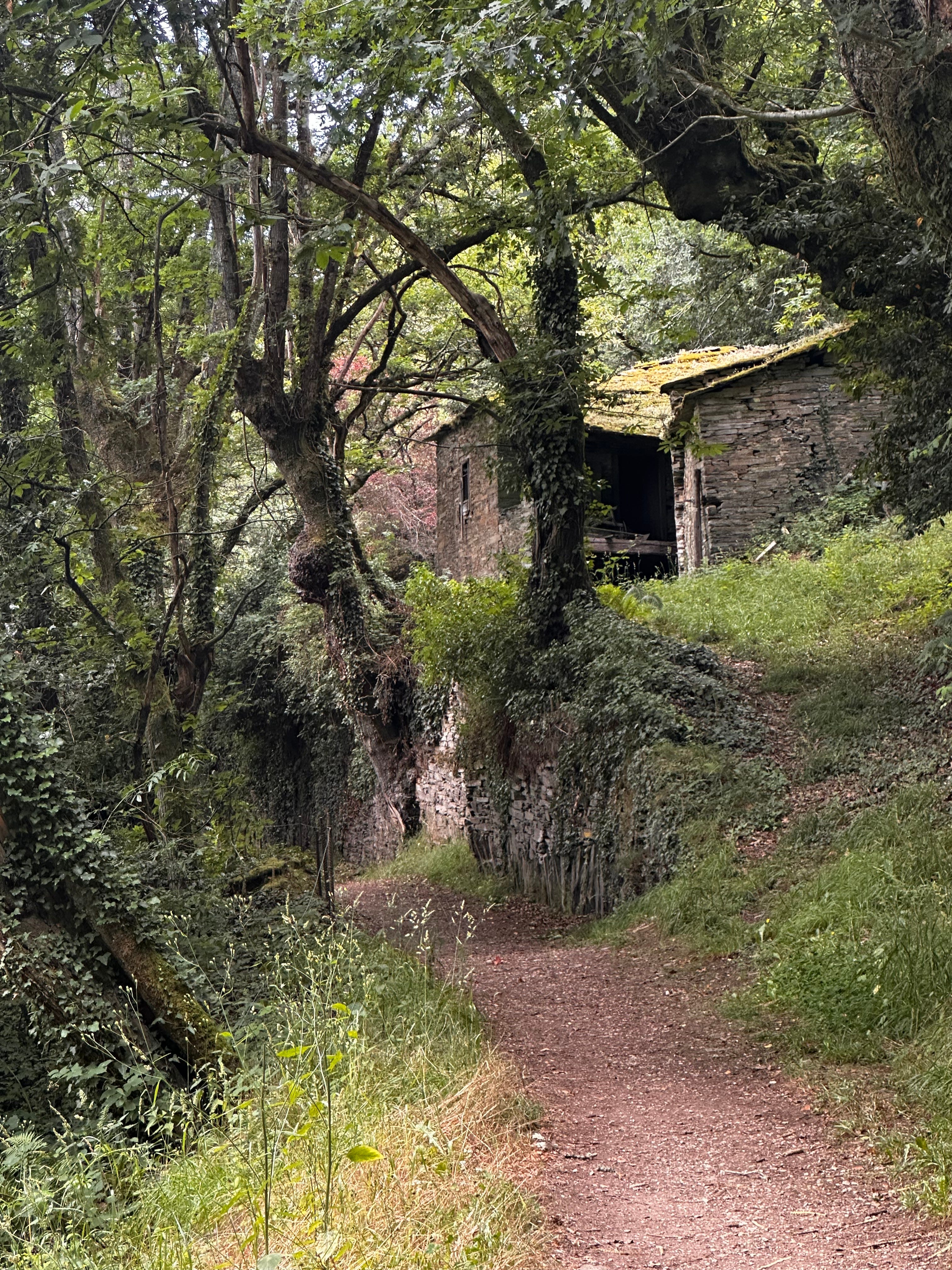
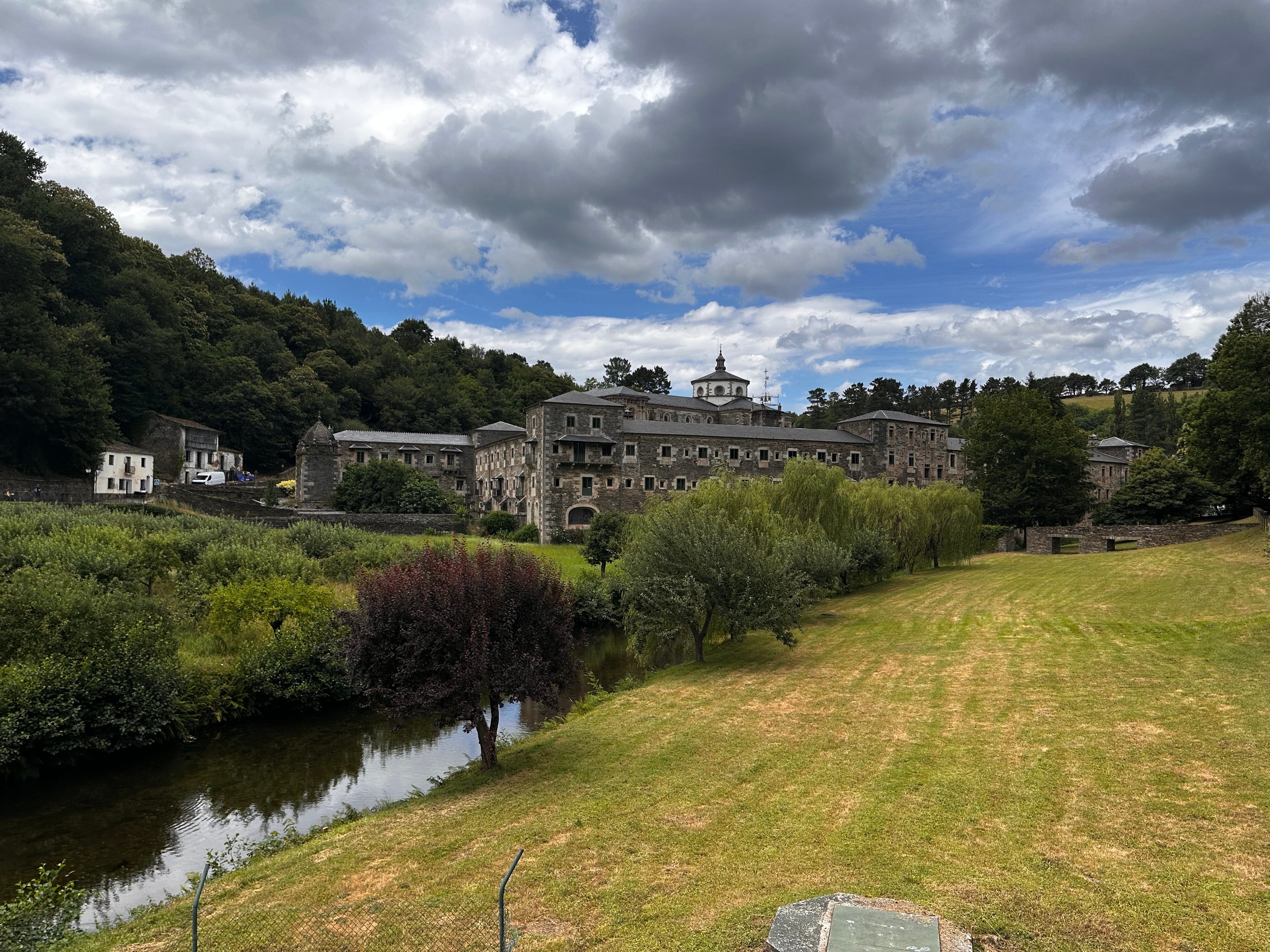
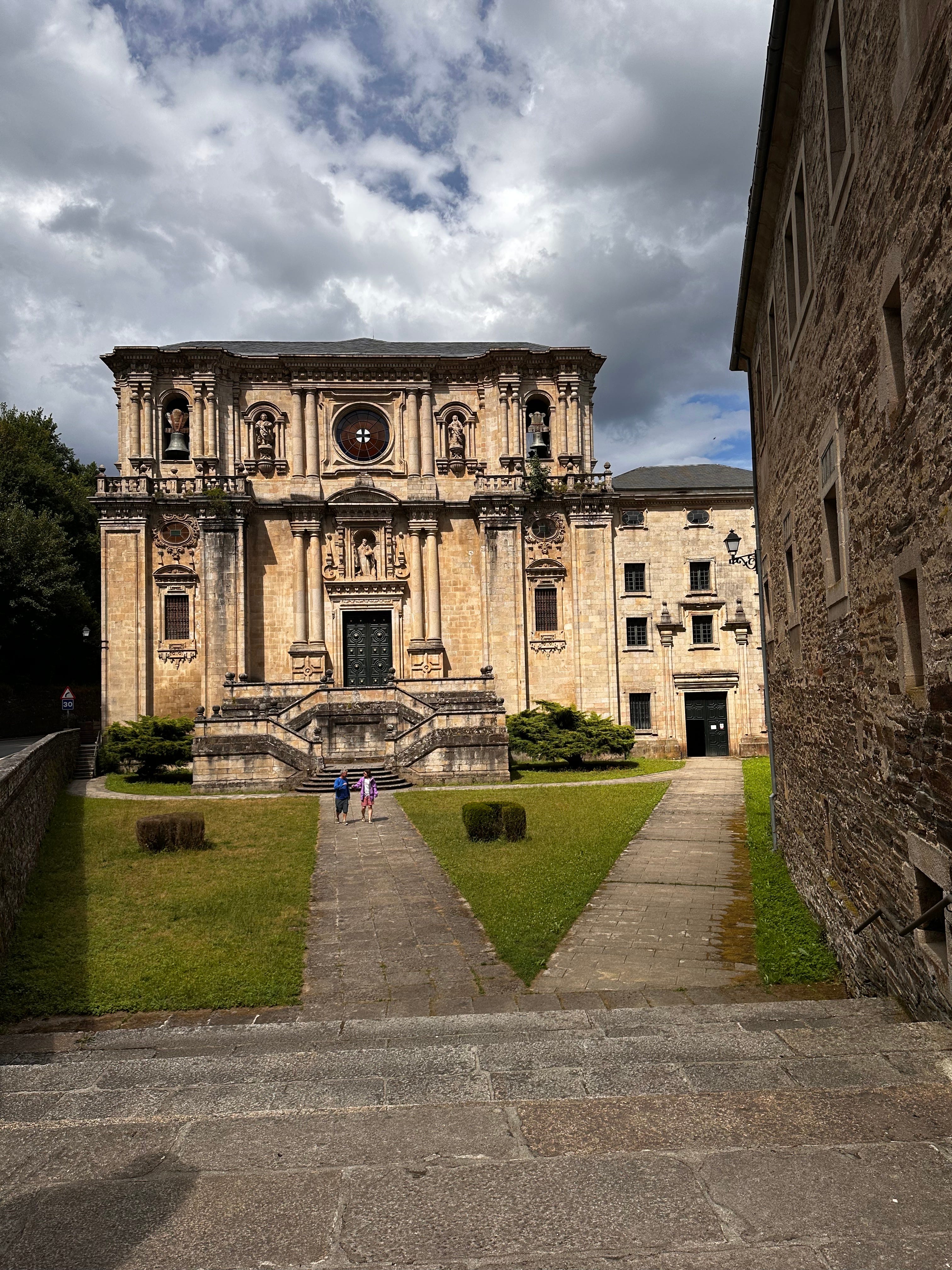
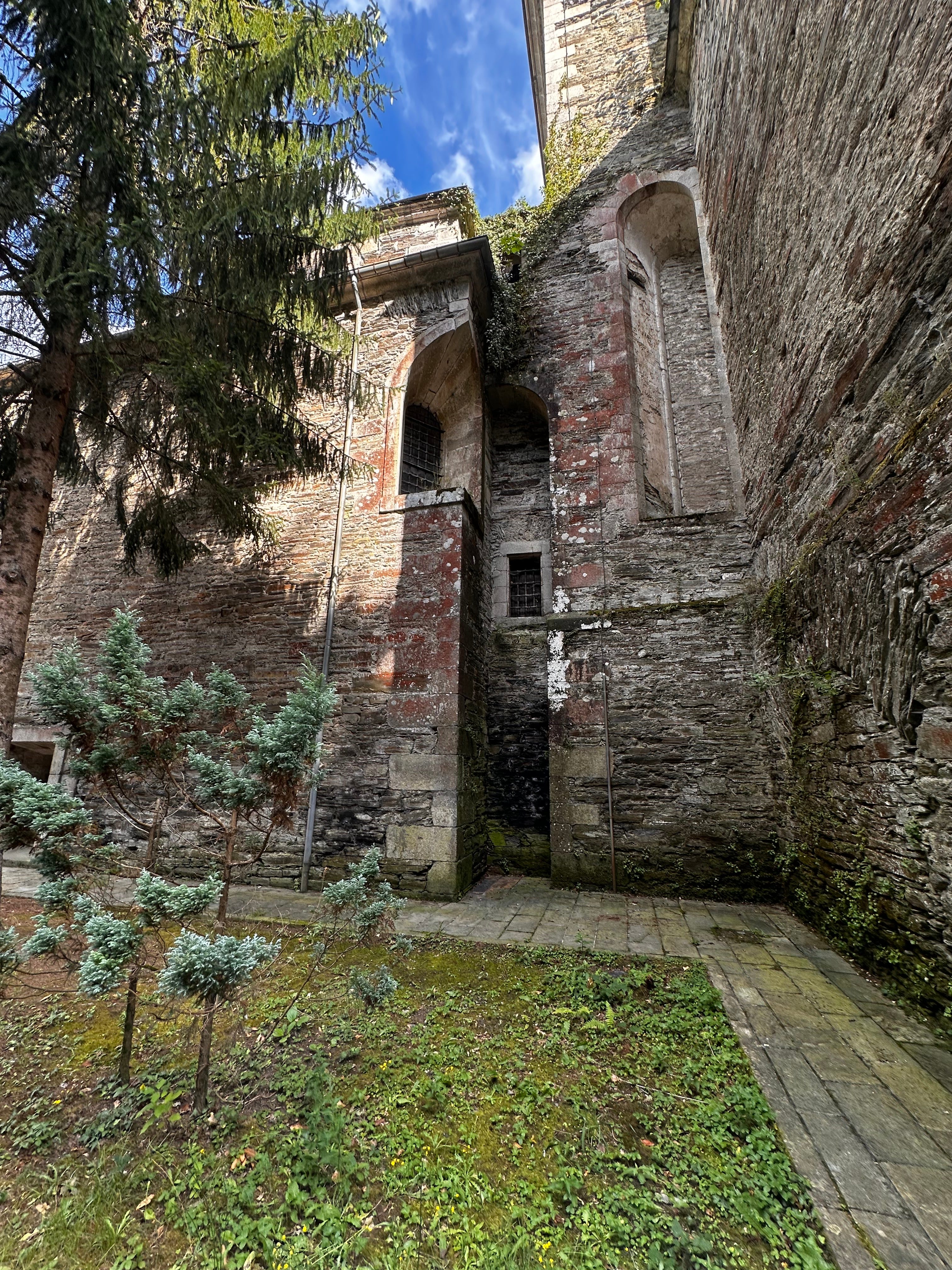
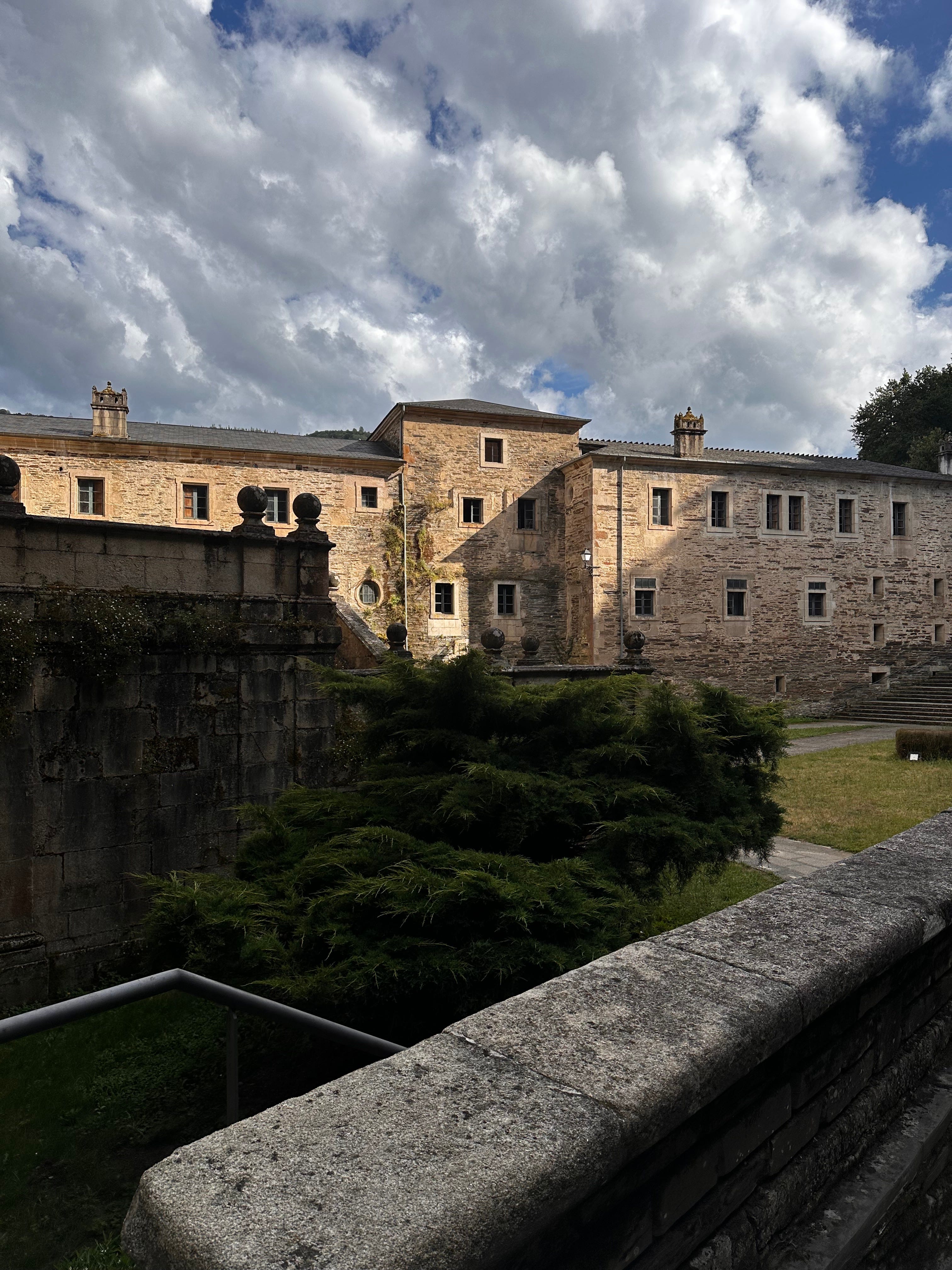
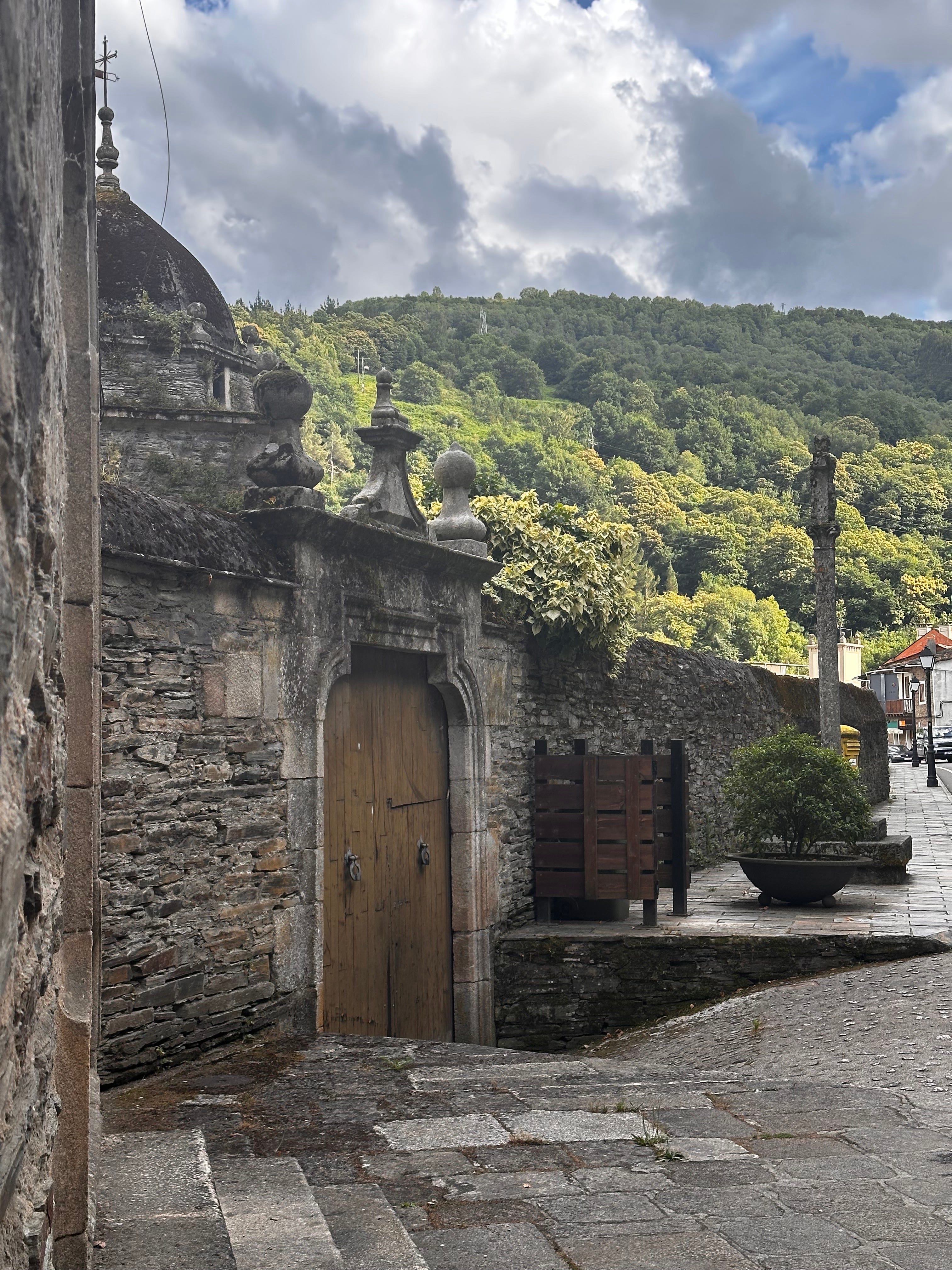
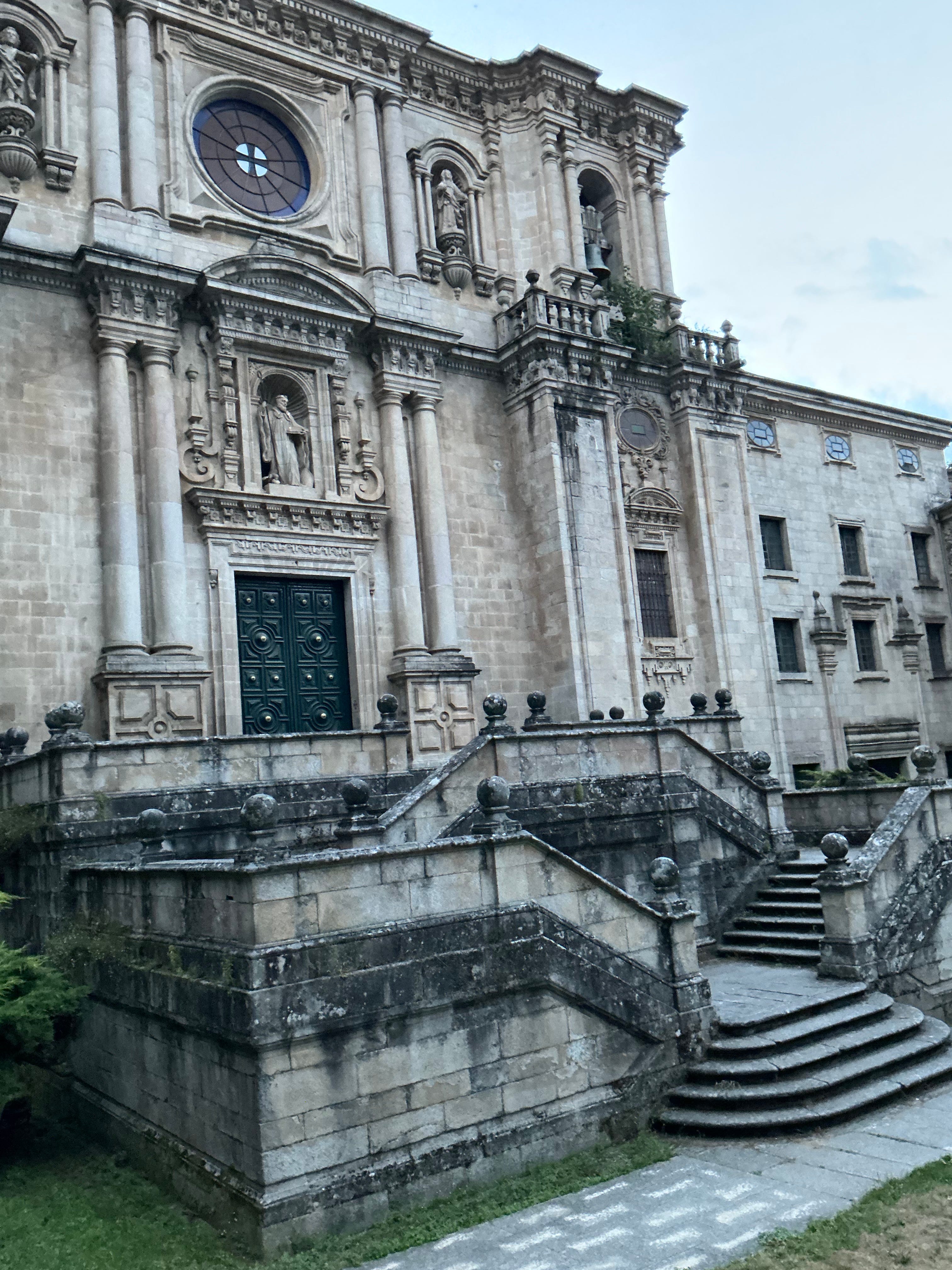
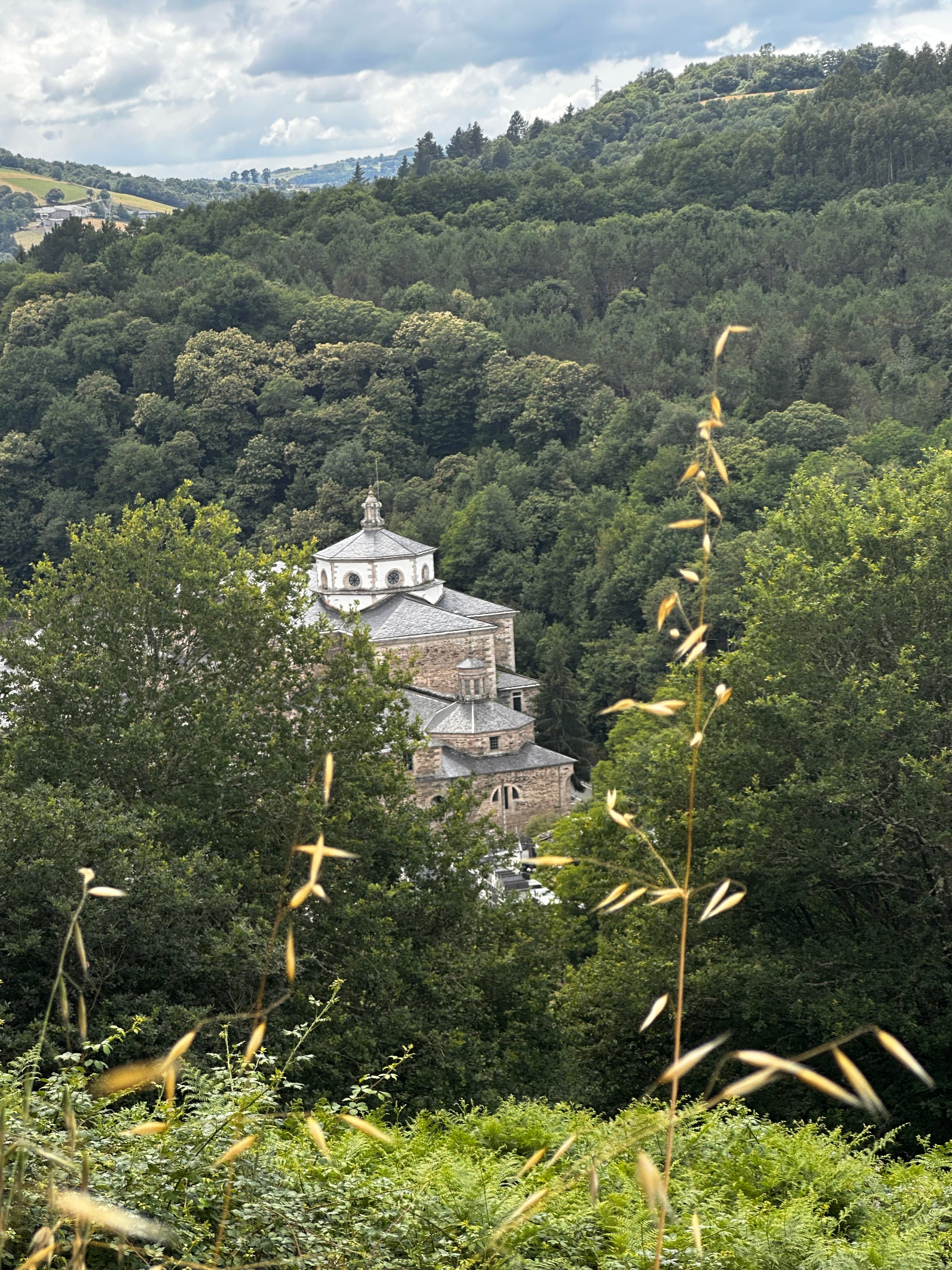
Then the trees gave way and Samos was in front of us all at once, far too large for the few roofs gathered at its feet. San Xulián de Samos is among the oldest monasteries in the western world, founded in the sixth century and rebuilt many times since, the last time after a fire in 1951. The church front is high Baroque, ranked columns and saints in their niches around a great round eye of a window, bells above. Behind it lie some of the largest cloisters in Spain. The Benedictines came to it later and have held it ever since, and a handful of them live in it still.
What the place has done longest is take people in. When King Fruela I was assassinated, his widow and their young son came here for refuge, and the story goes that the boy was raised within these walls. He grew up to be Alfonso II, called the Chaste. In his reign, early in the ninth century, a hermit was said to have found the tomb of the apostle James in a field to the west. Alfonso made the journey from Oviedo to see it, the first pilgrim the road remembers, and ordered a church raised over the grave.
Why did he do so? Perhaps partly in faith and partly because he was a careful king. An apostle’s tomb discovered on his own soil was a rare gift to a small Christian kingdom pressed against Al-Andalus, a reason for the road west to fill and for Europe to come down it. What he built over the grave was modest, and the great cathedral rose long after him under other kings. But the road was made, and it filled, century upon century, the pilgrims and settlers who came the same who in time secured the kingdom, until the way west was among the most walked in the world.
And the monastery that had sheltered the orphaned boy went on sheltering the walkers he set in motion, a day west of Sarria with its door open, as it had opened for him. It takes pilgrims in to this day.