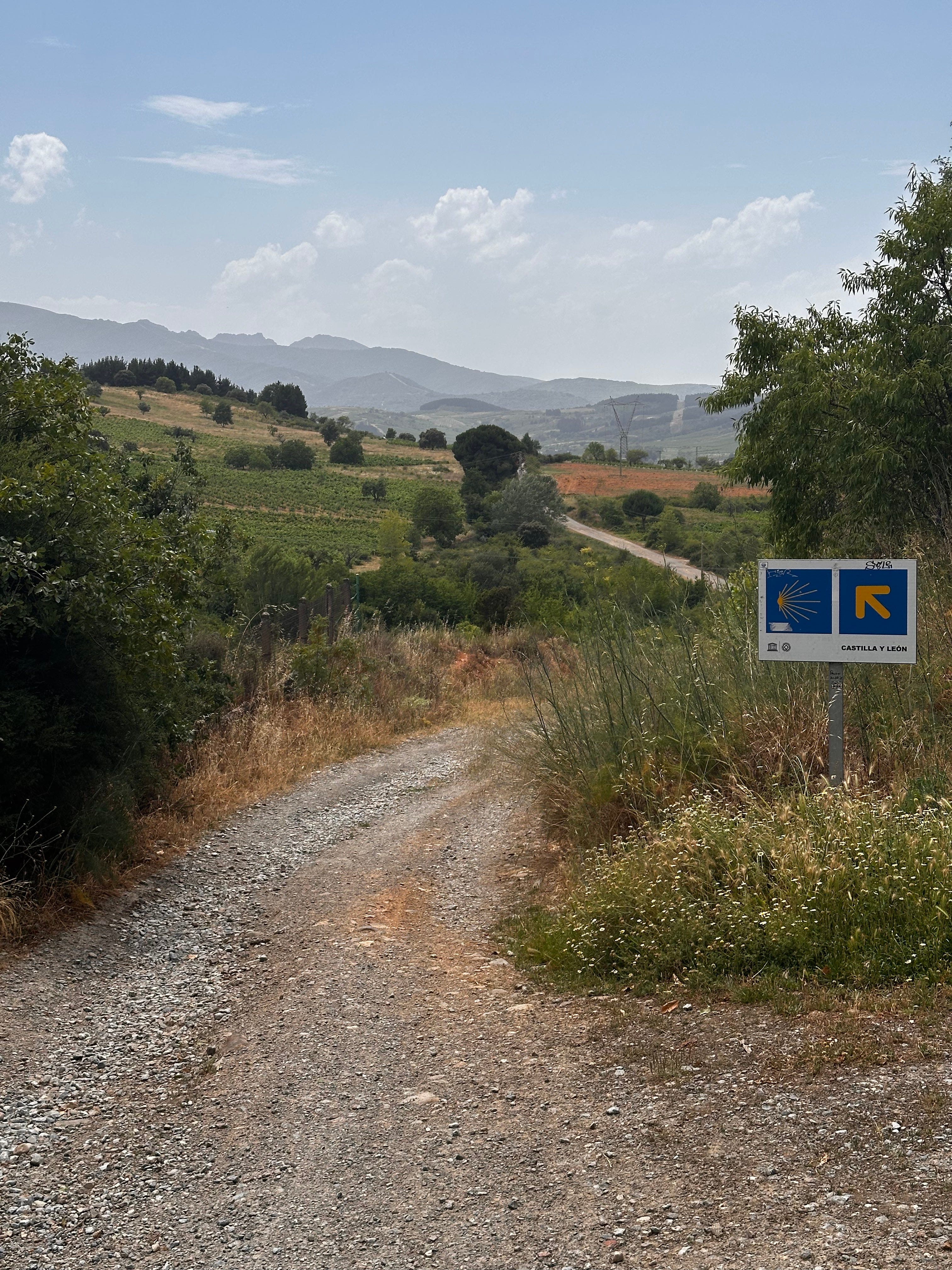
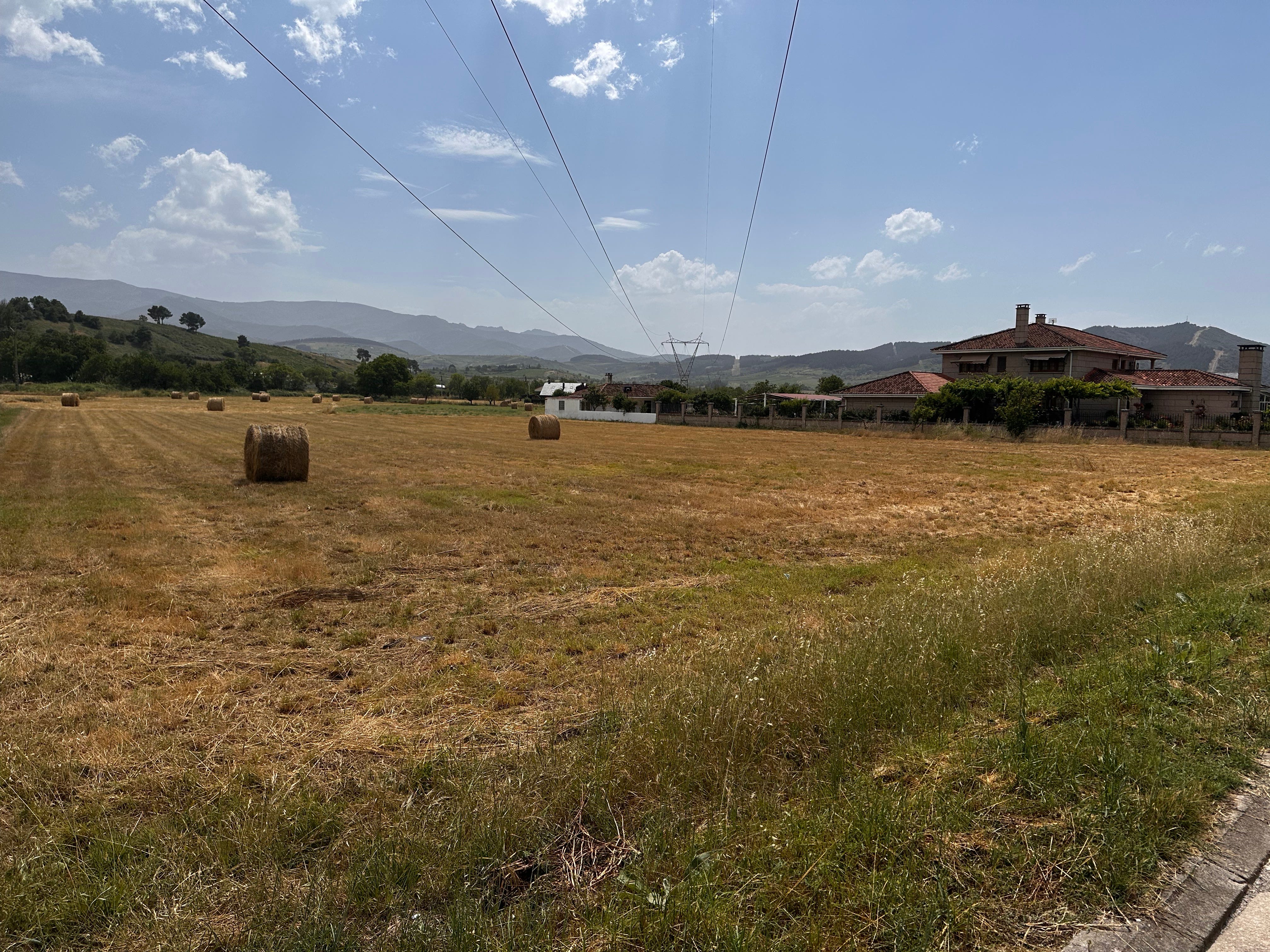
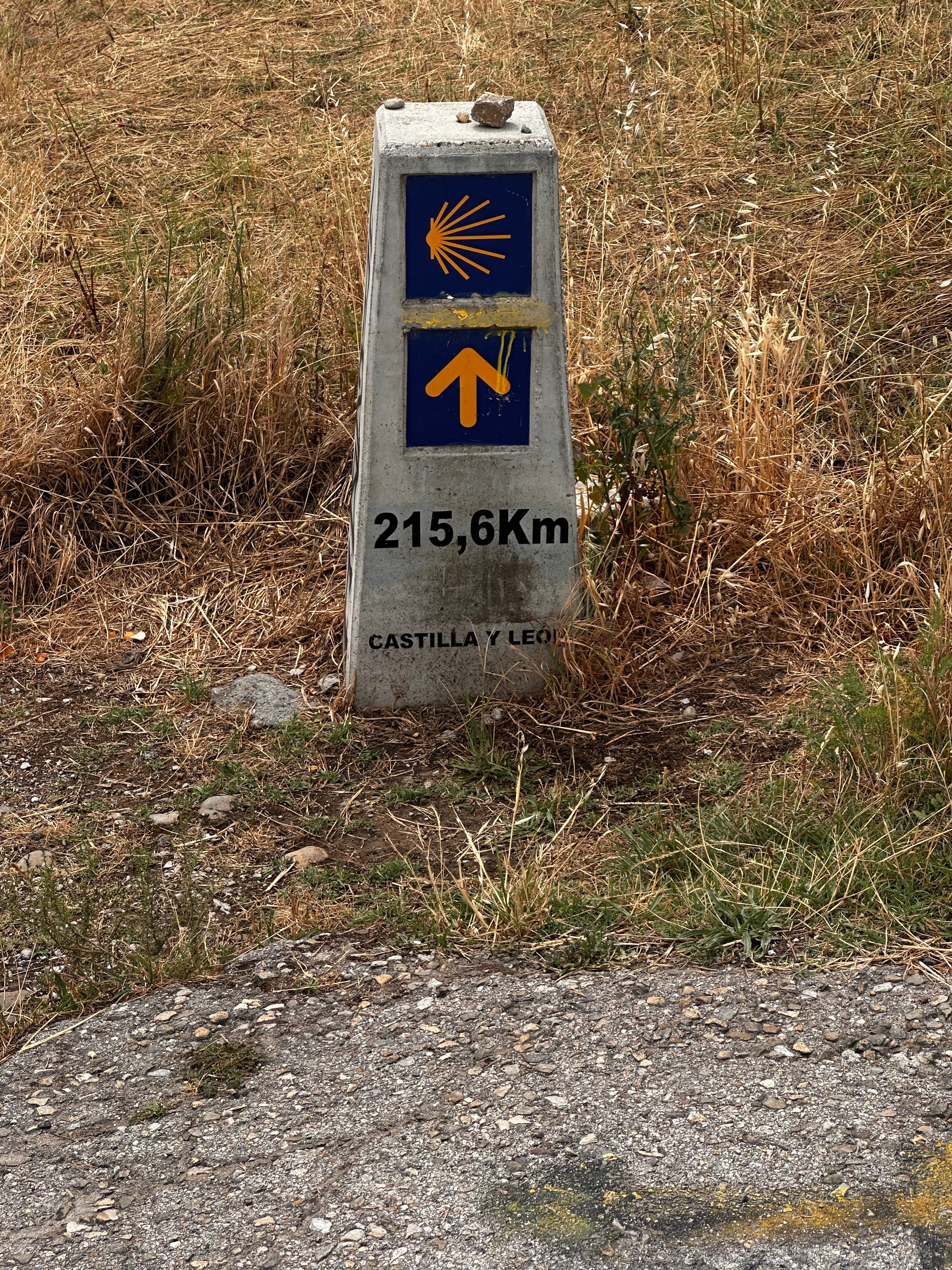
At breakfast the tables were busy with plans. The walkers debated taking the traditional Camino Frances route, with a stretch today to include the Dragon’s Teeth, a steep direct descent of loose, sharp rock. One athletic couple, I was told, meant to set off with a pram and a three-year-old in tow. Some others were weighing the long walk down the highway, the LE-142, hot asphalt and open landscape in the 100-degree heat all the way to the valley floor.
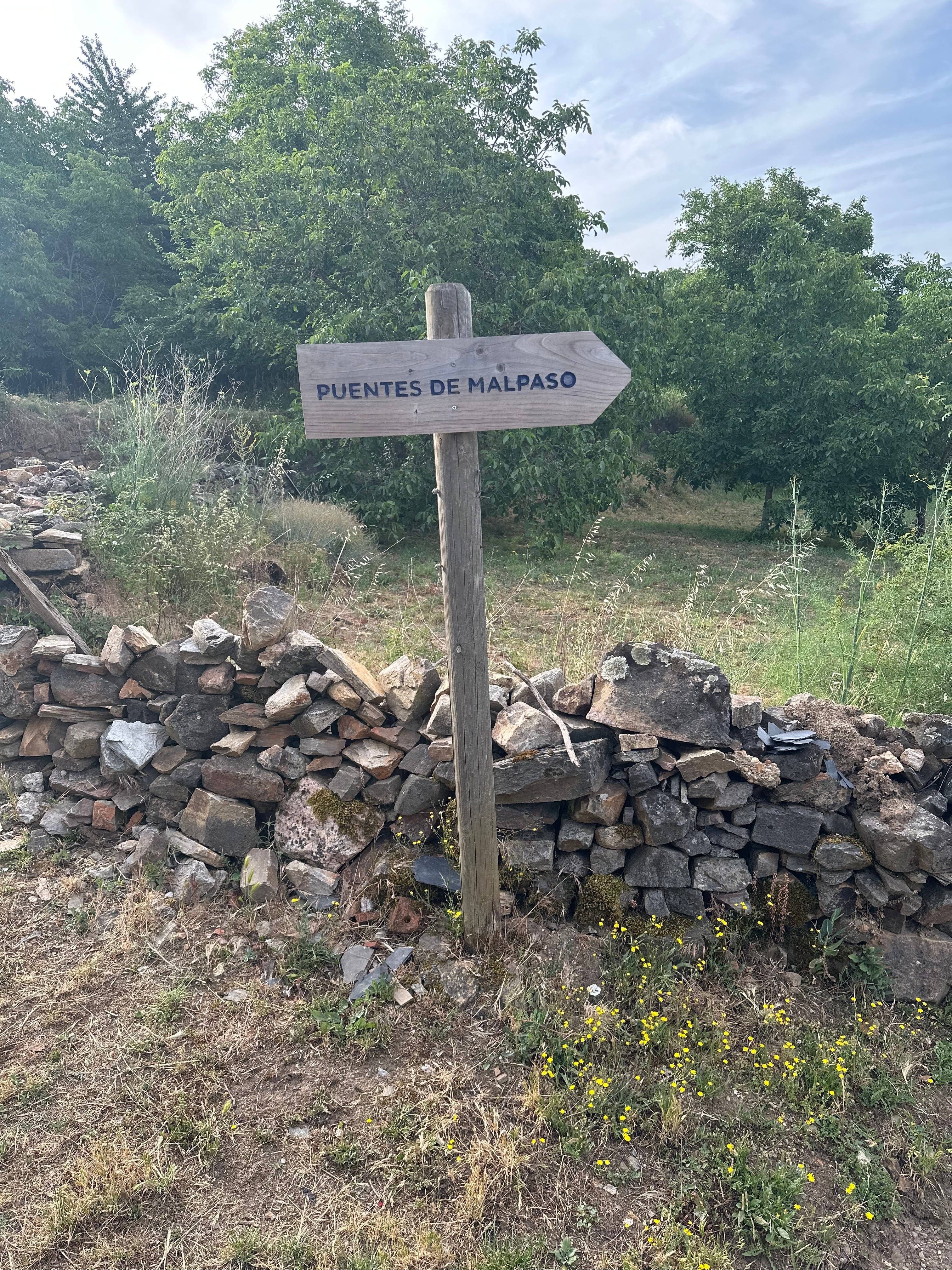
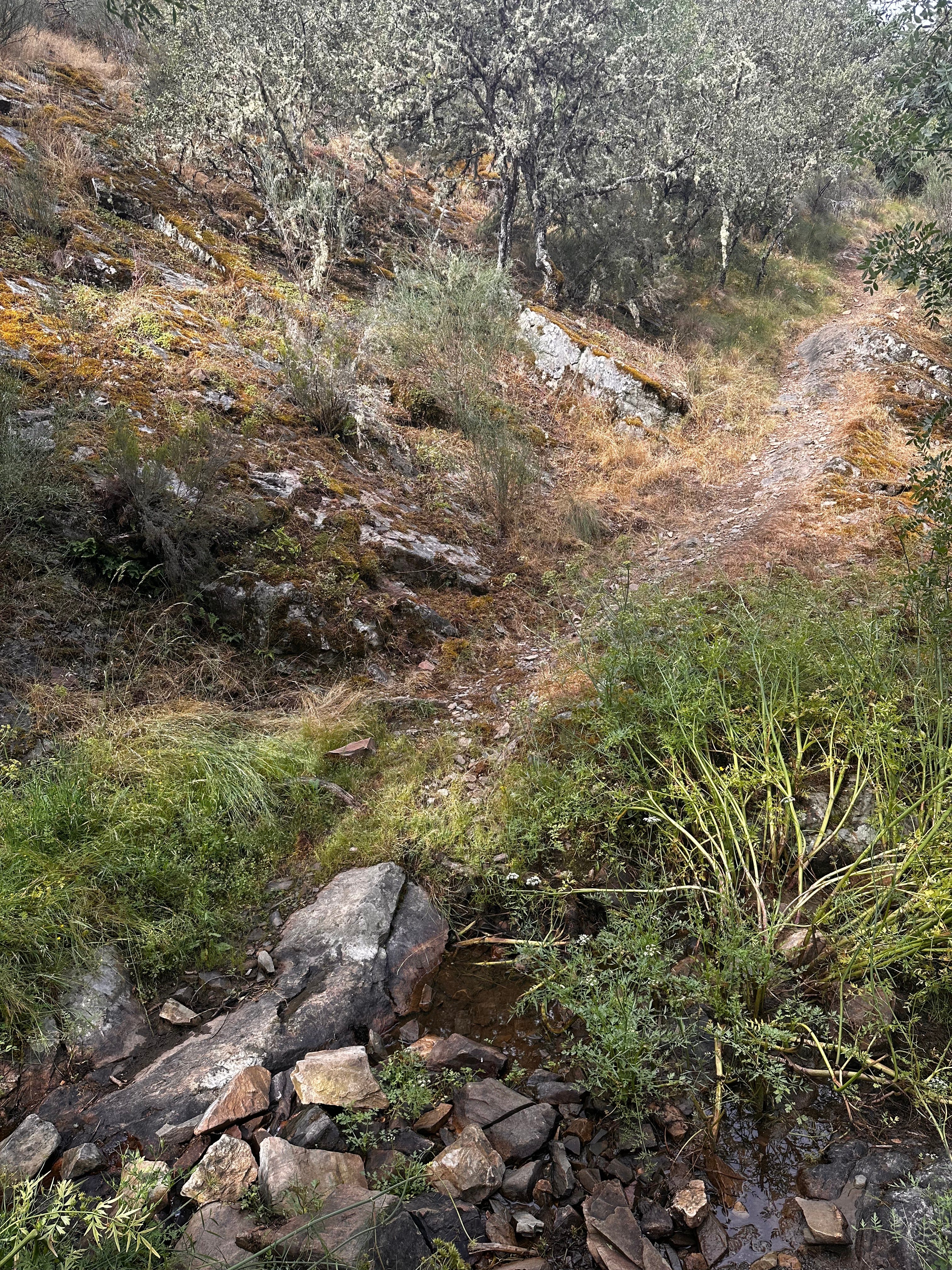
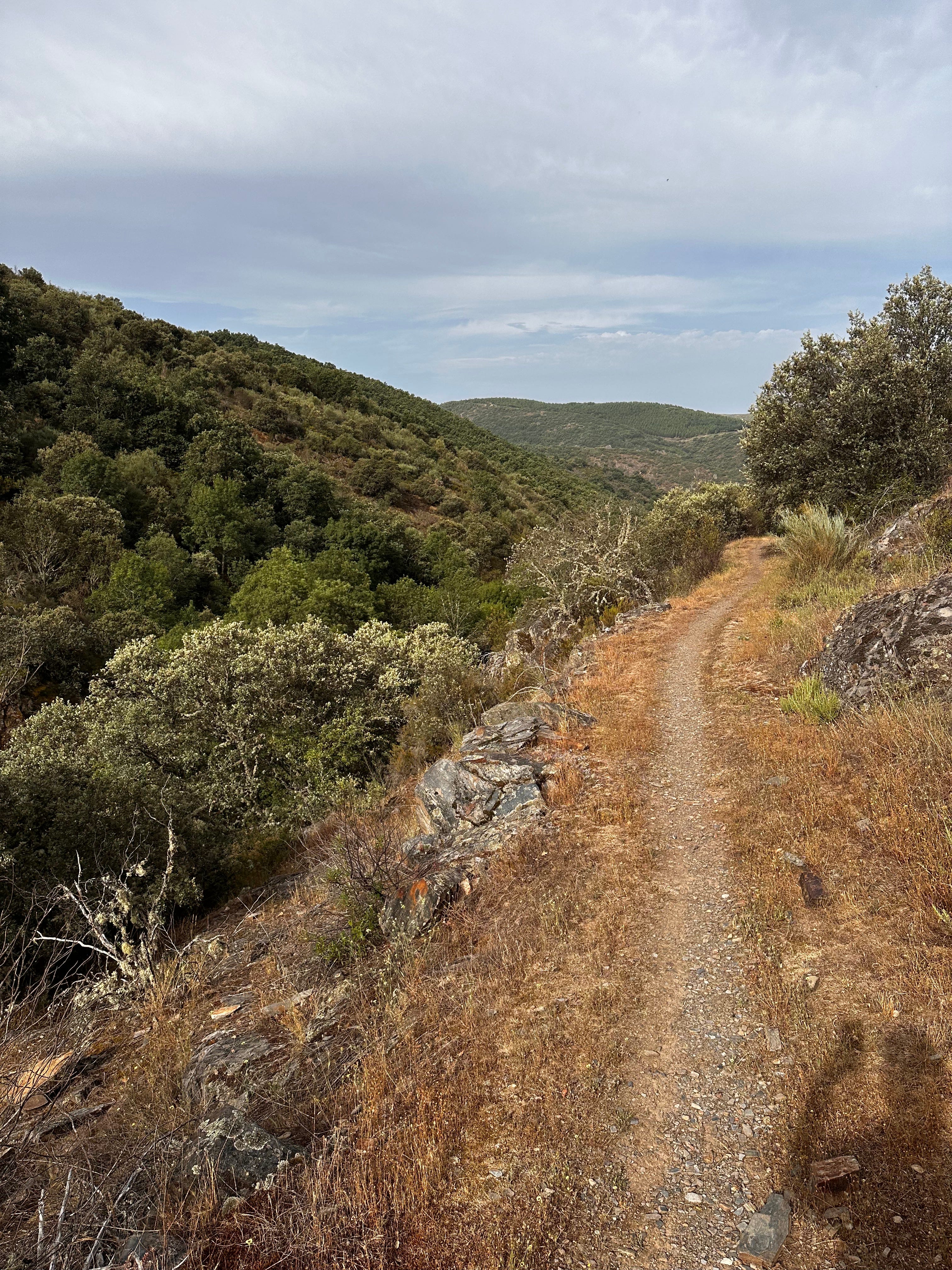
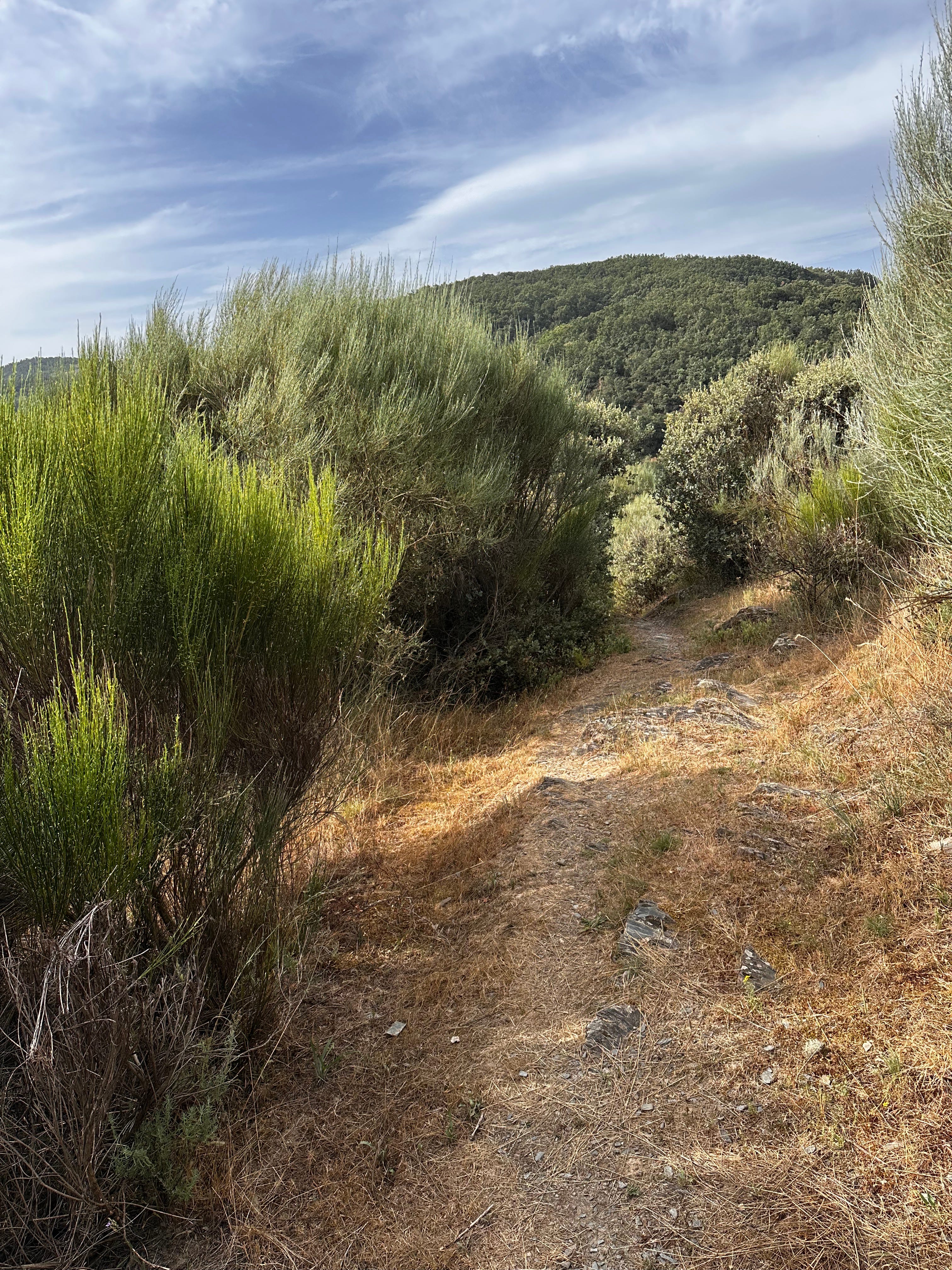
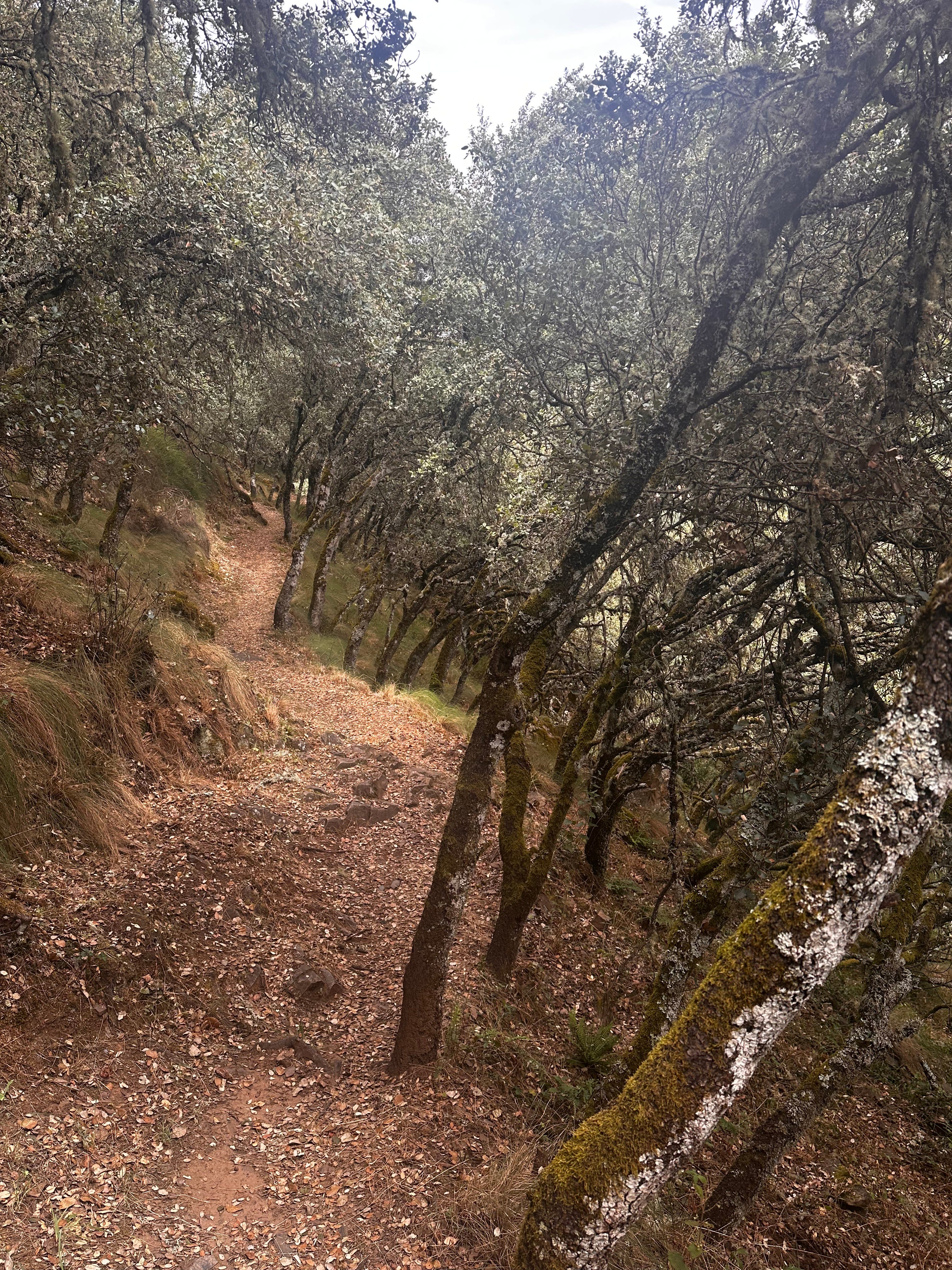
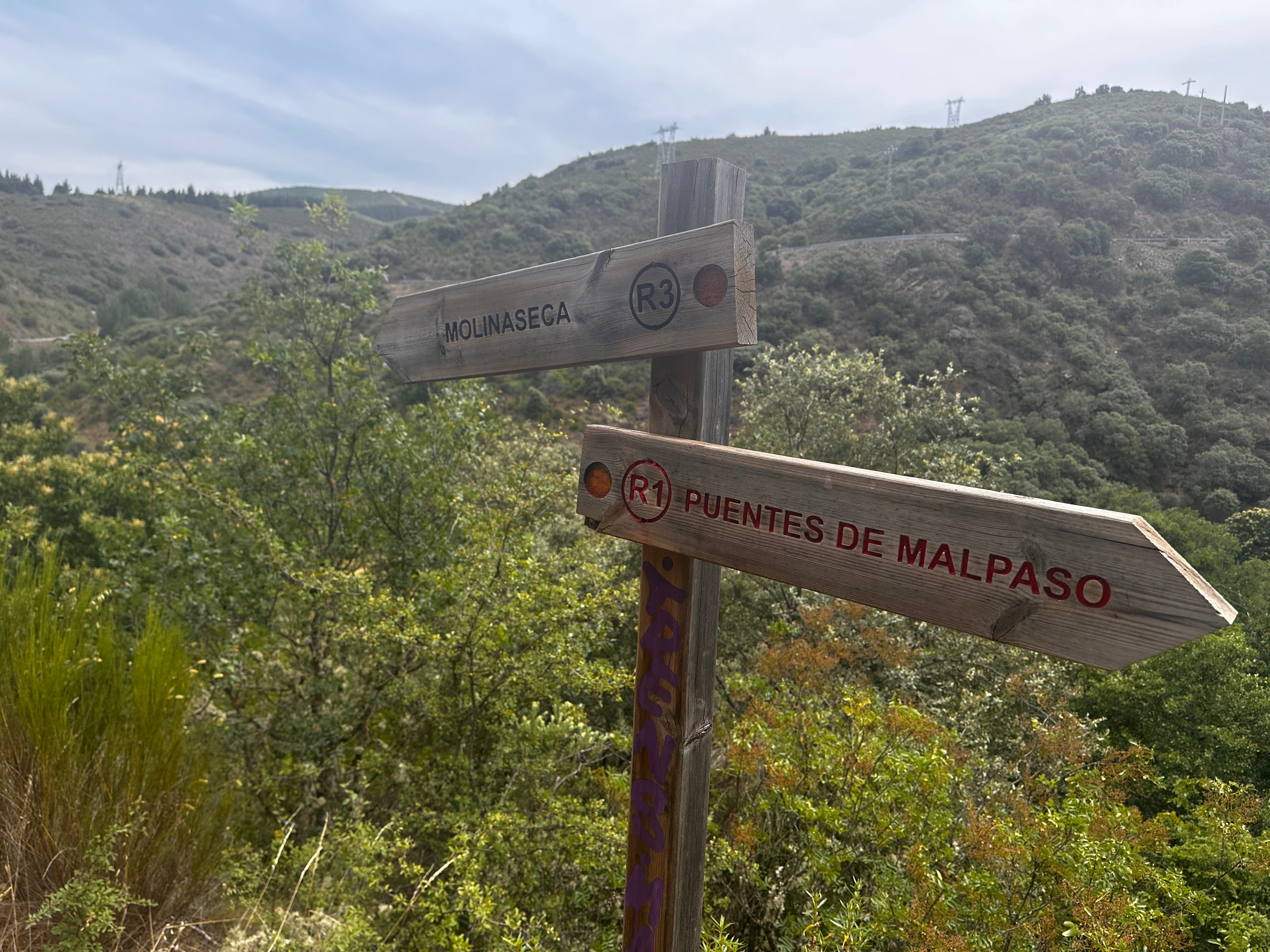
We already knew that kind of ground. The drop from Manjarín the day before had been sharp and loose and rocky, a descent you feel in your knees and your concentration, and we were in no hurry to repeat it in worse form. So John and I chose a third way. We took a detour by a lush, secluded path with a romantic and ominous name, the Puentes de Malpaso, the Bridges of Bad Crossing.
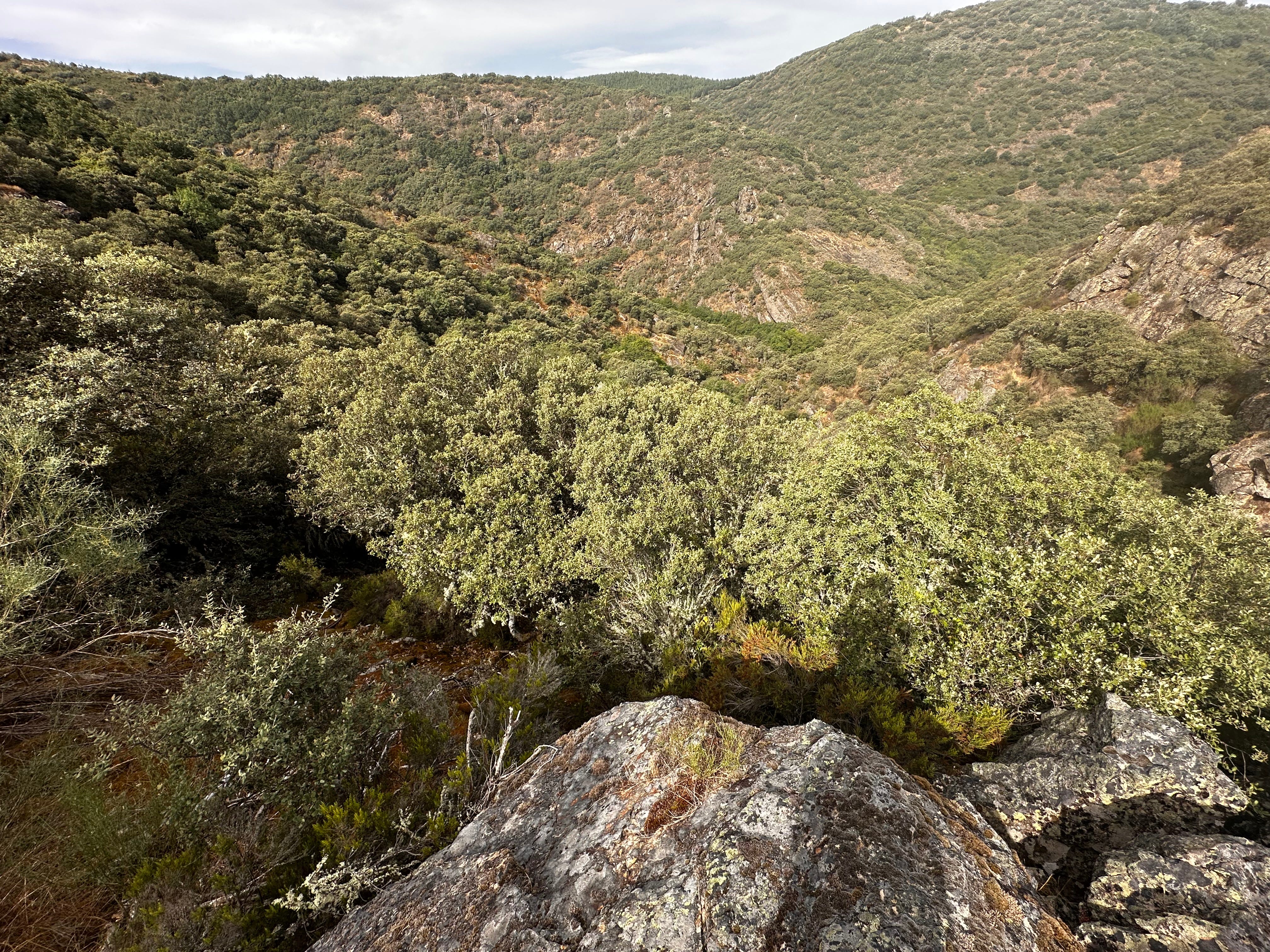
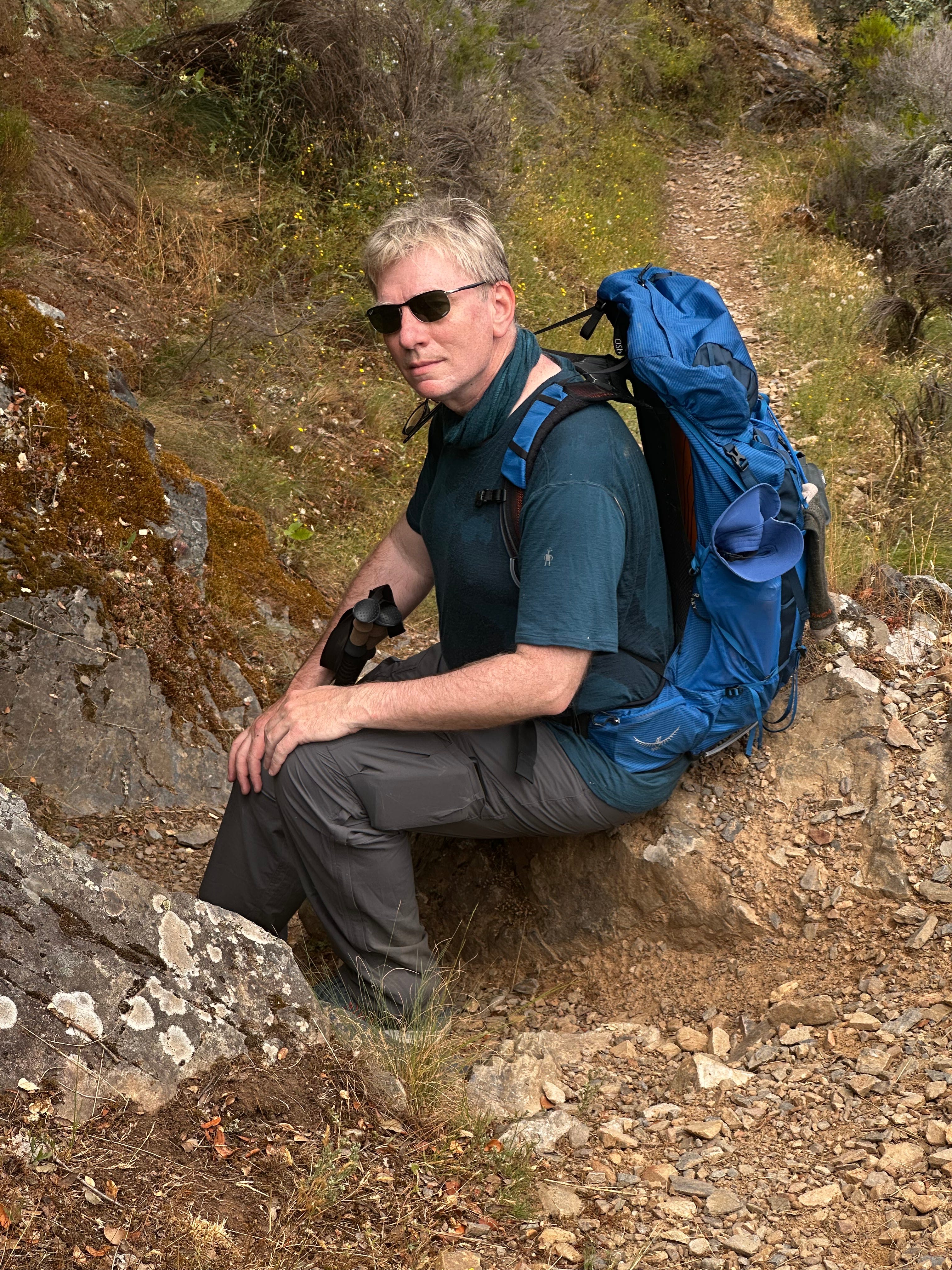
I will be honest about why. On another hundred-degree day, the selling point was shade and less sharp, loose rock underfoot. The route revealed that it was so much more.
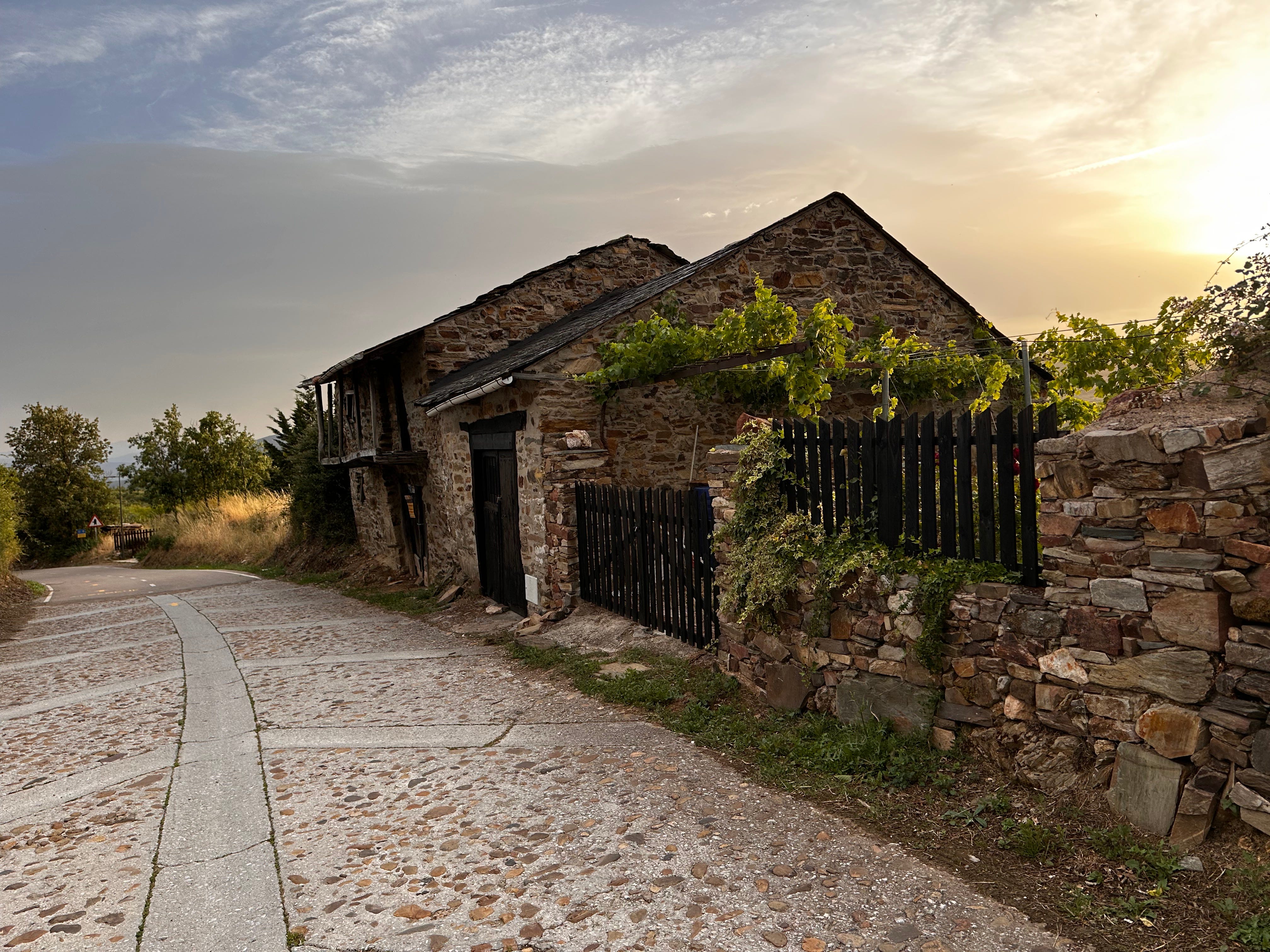
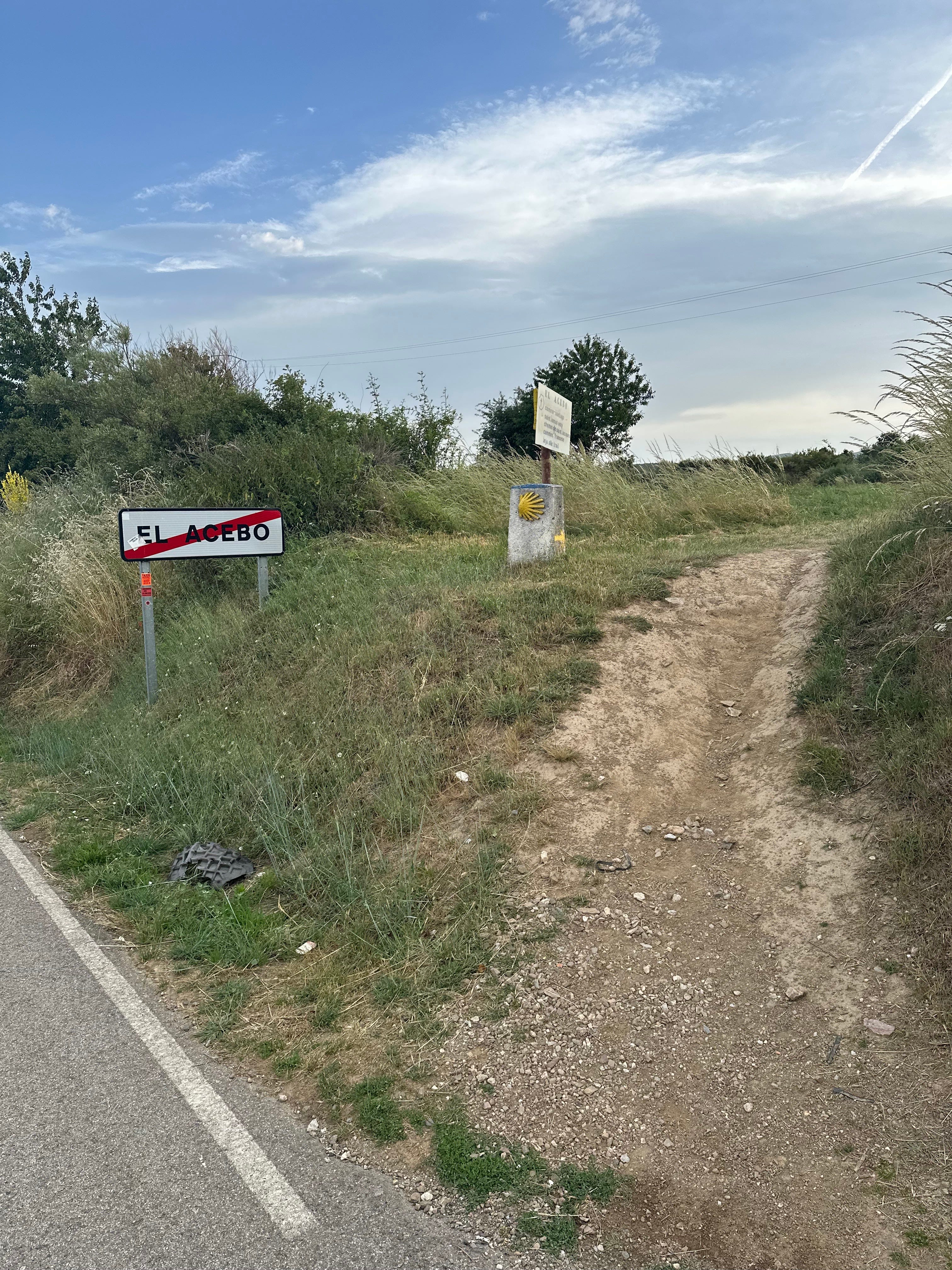
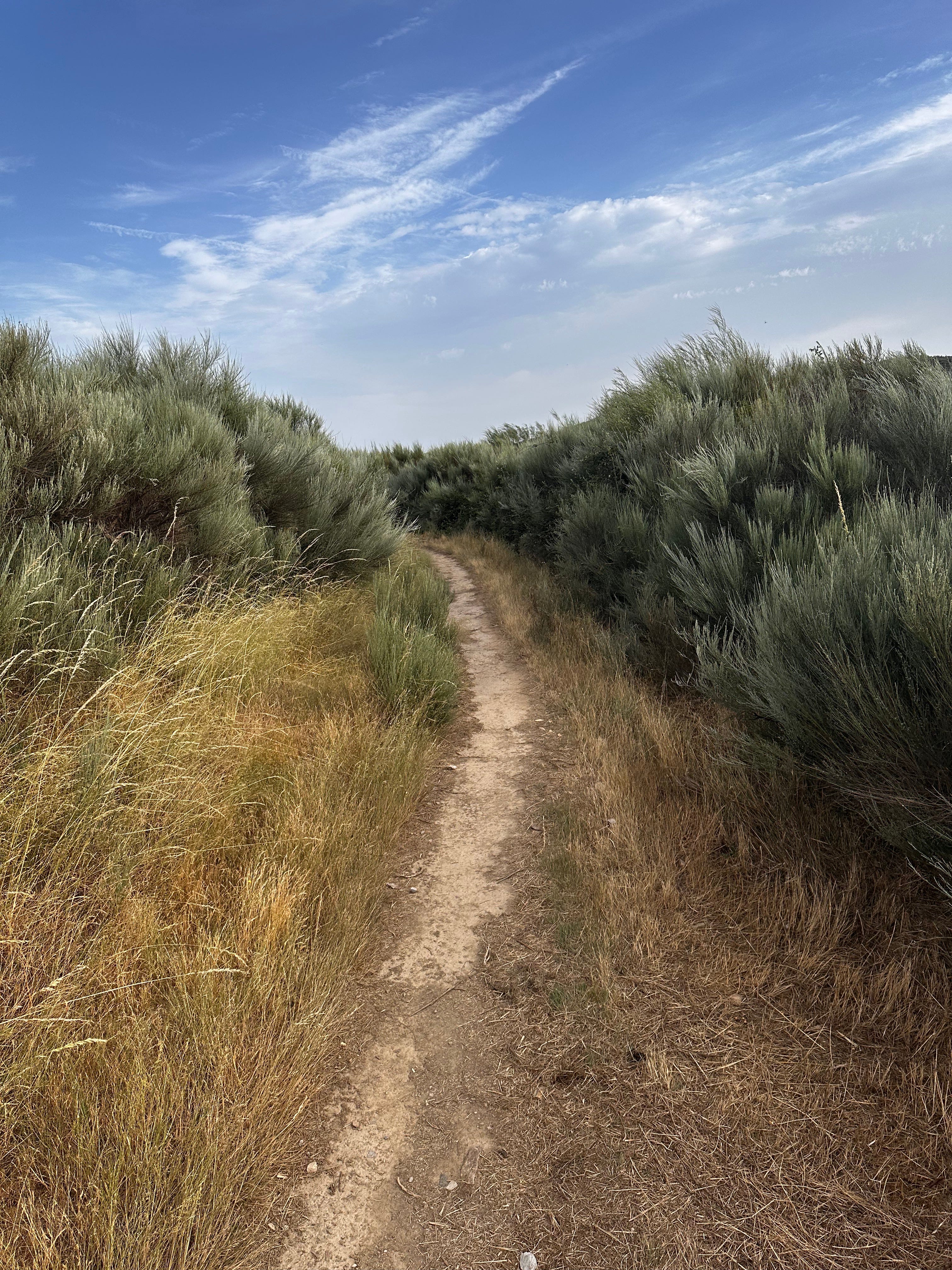
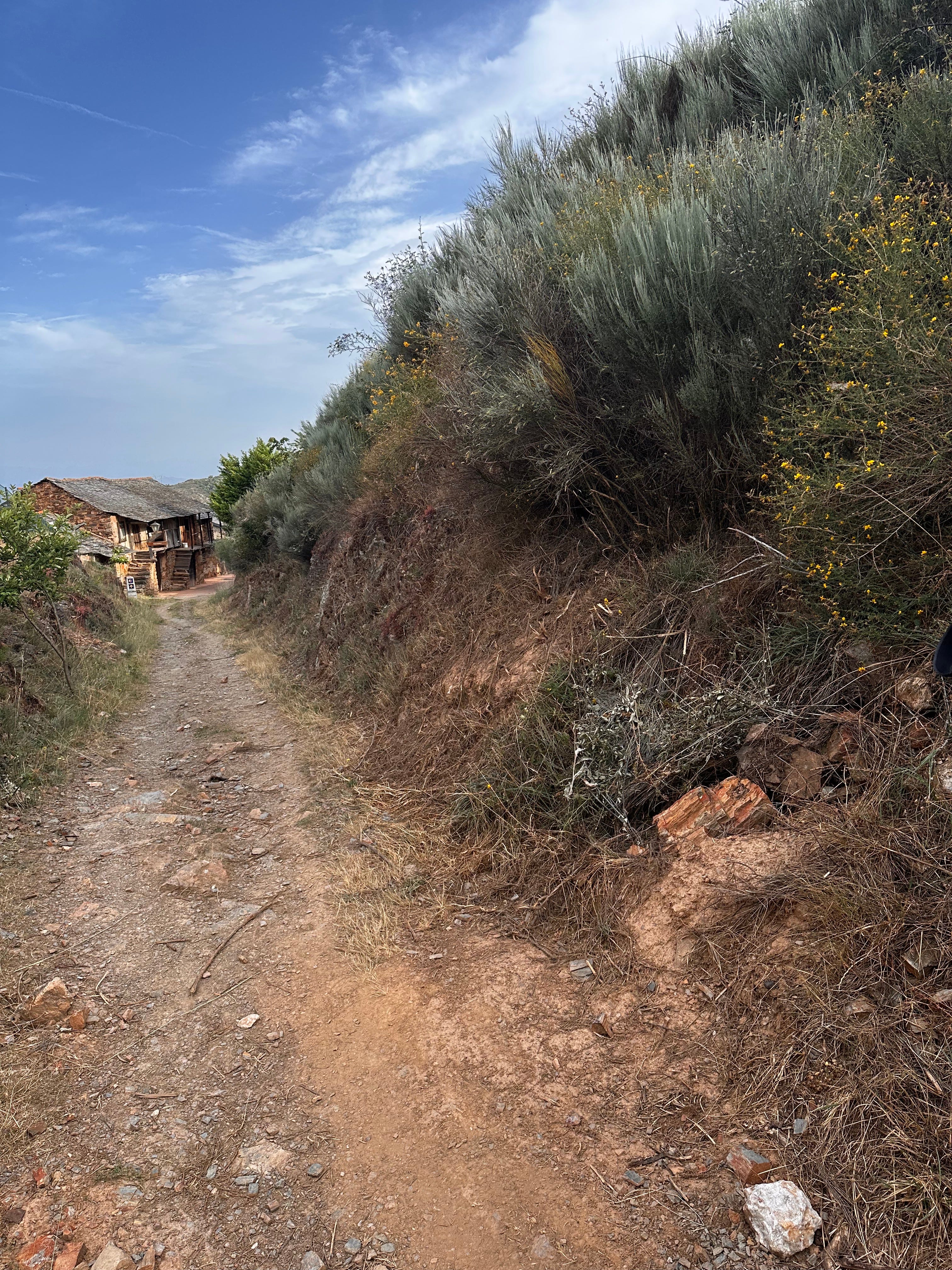
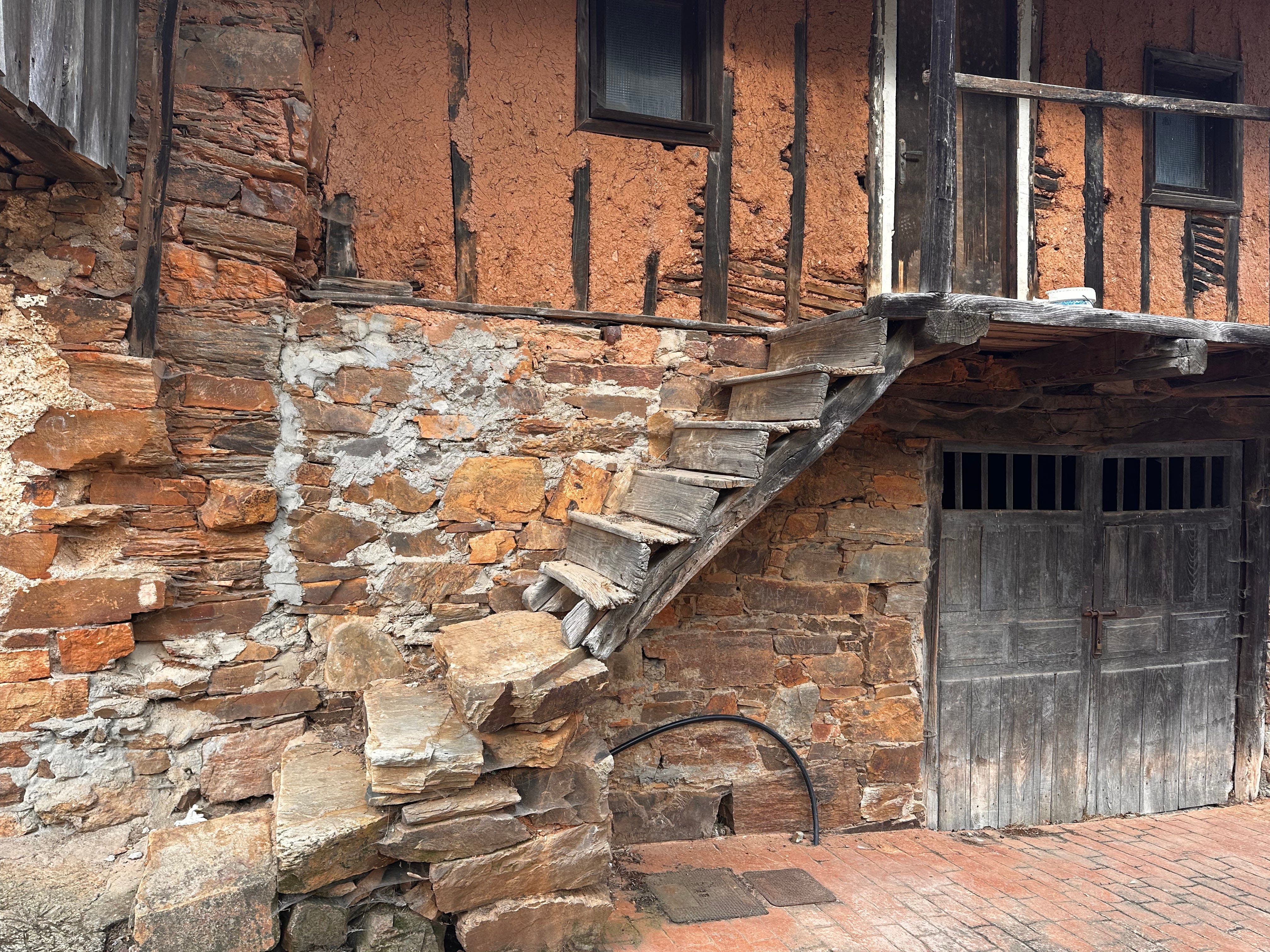
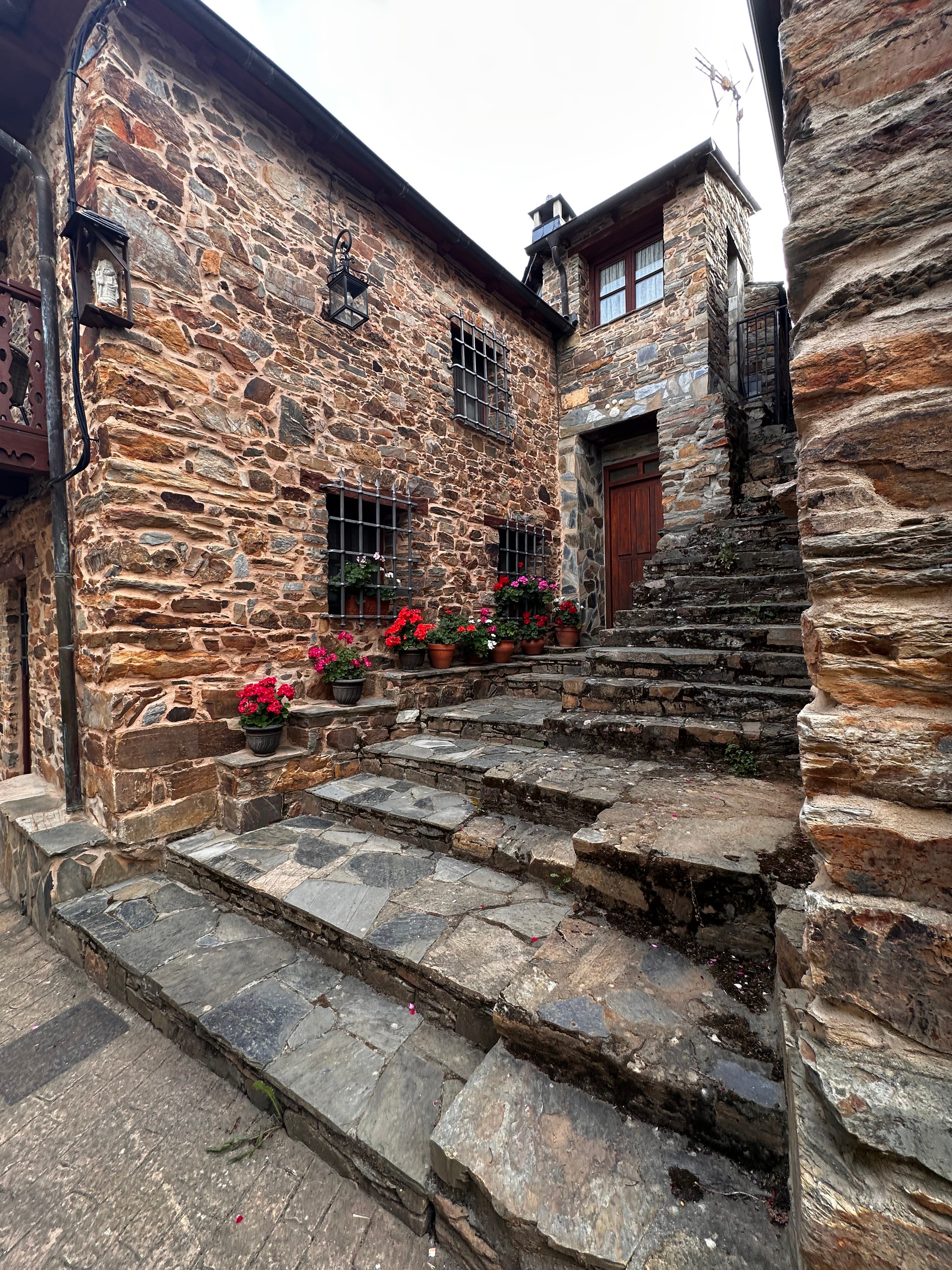
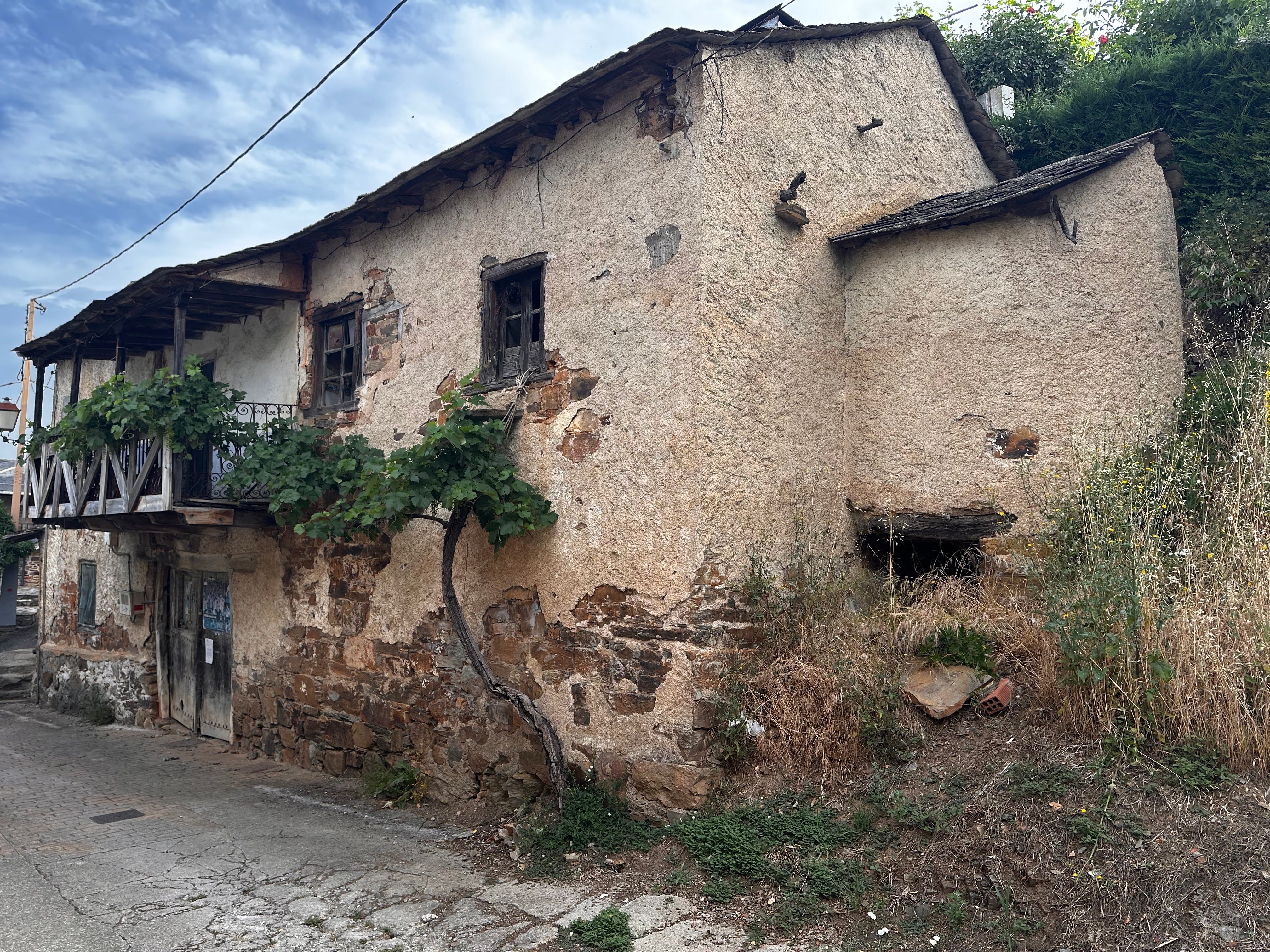
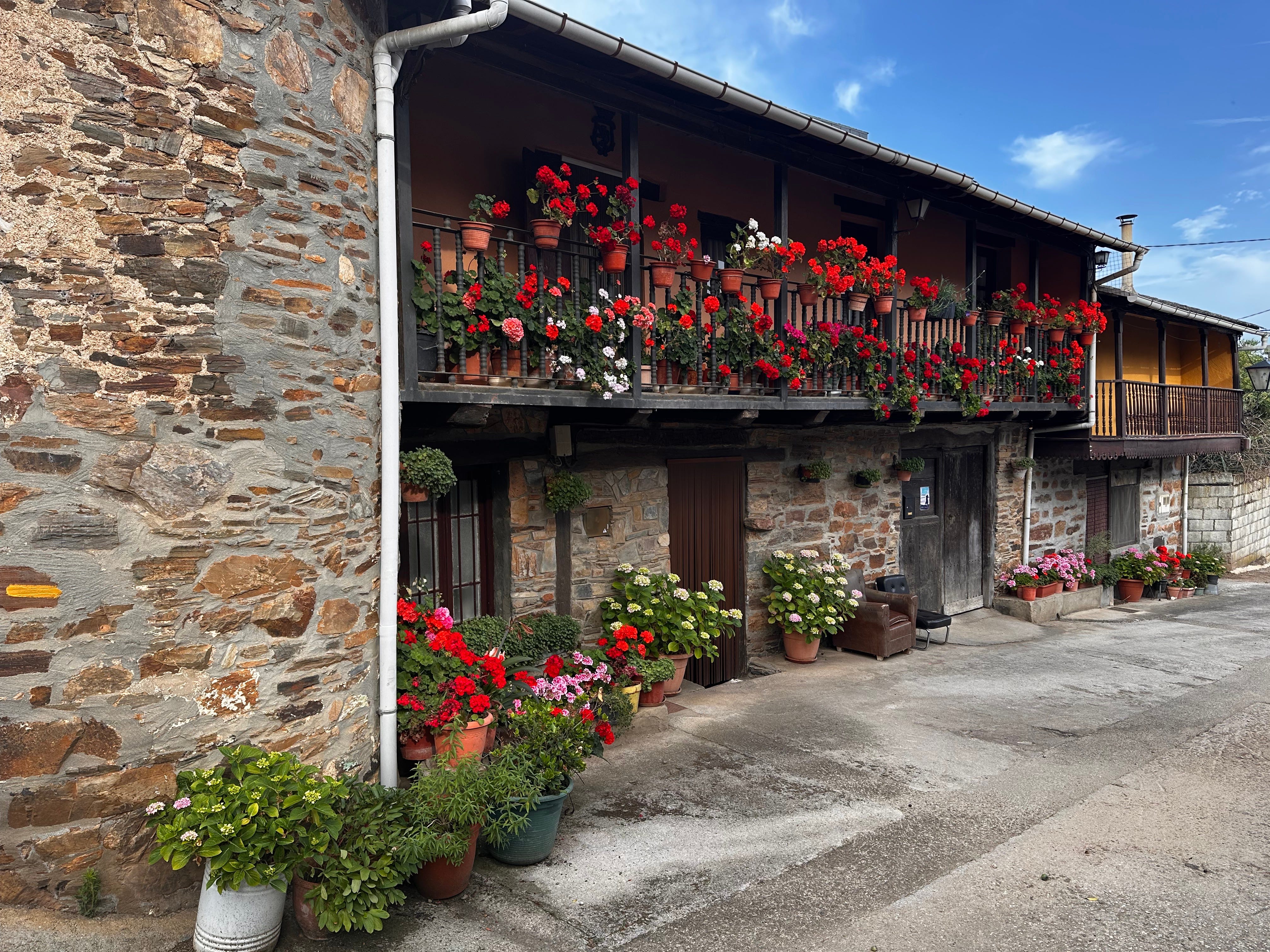
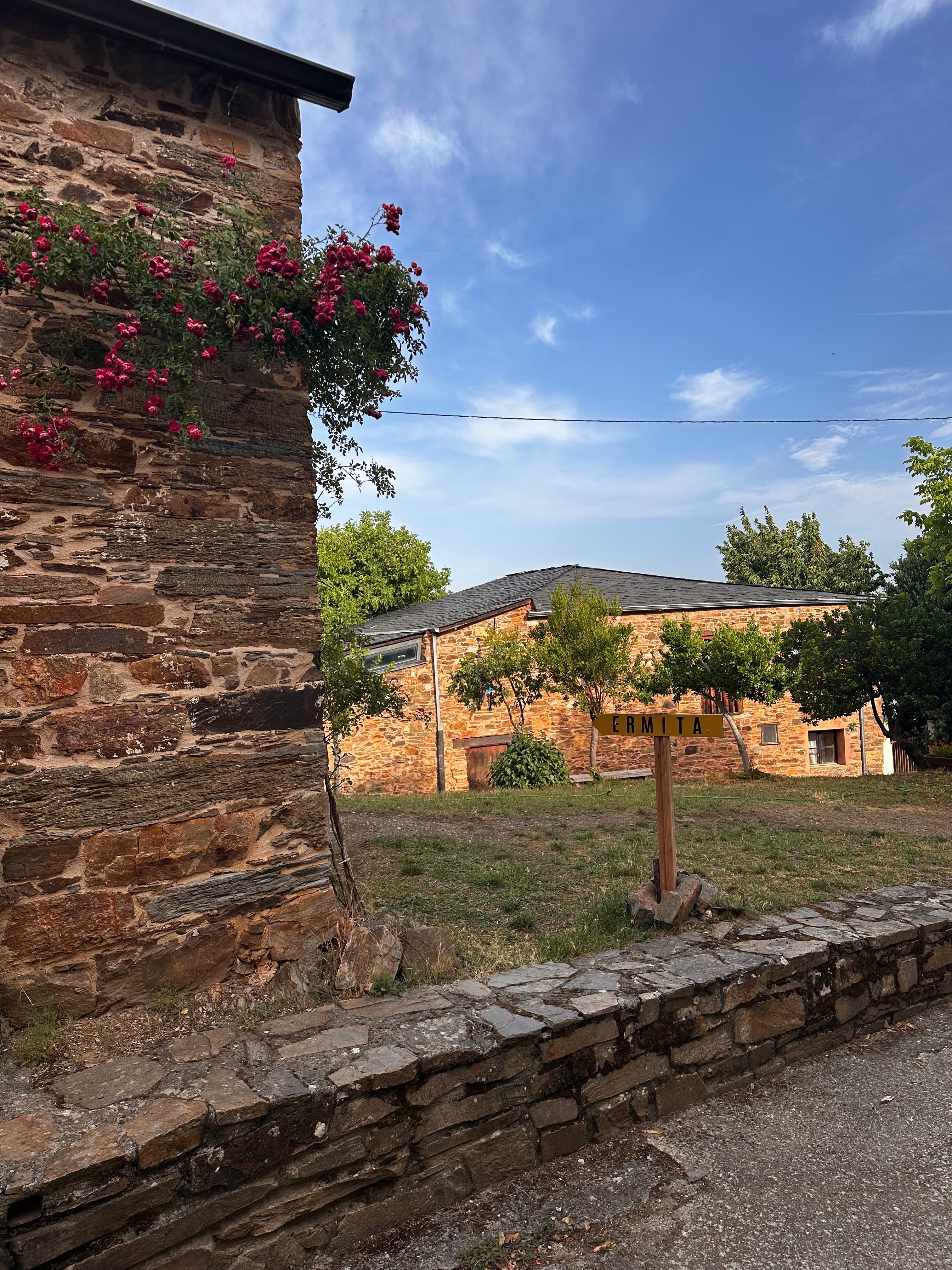
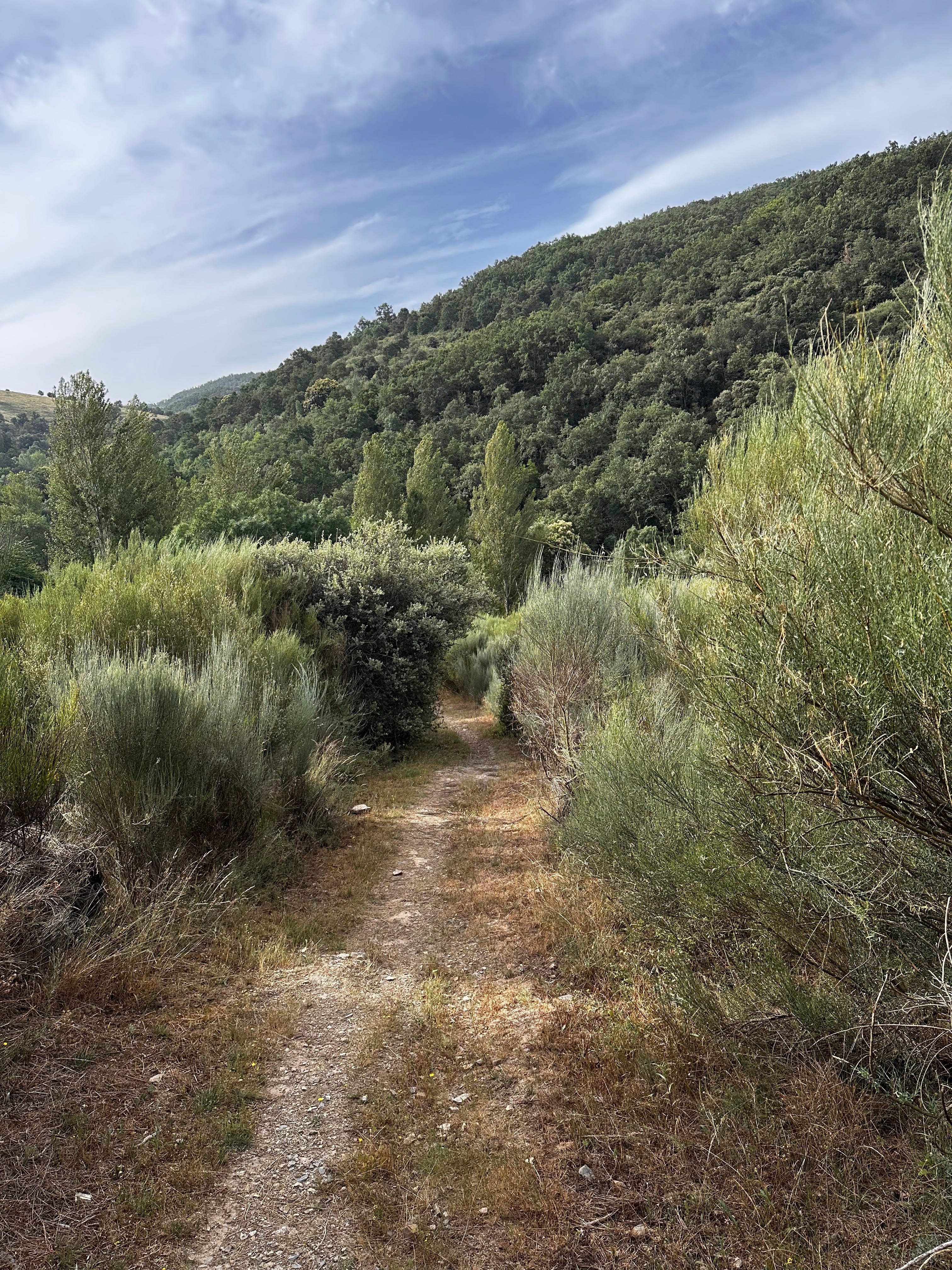
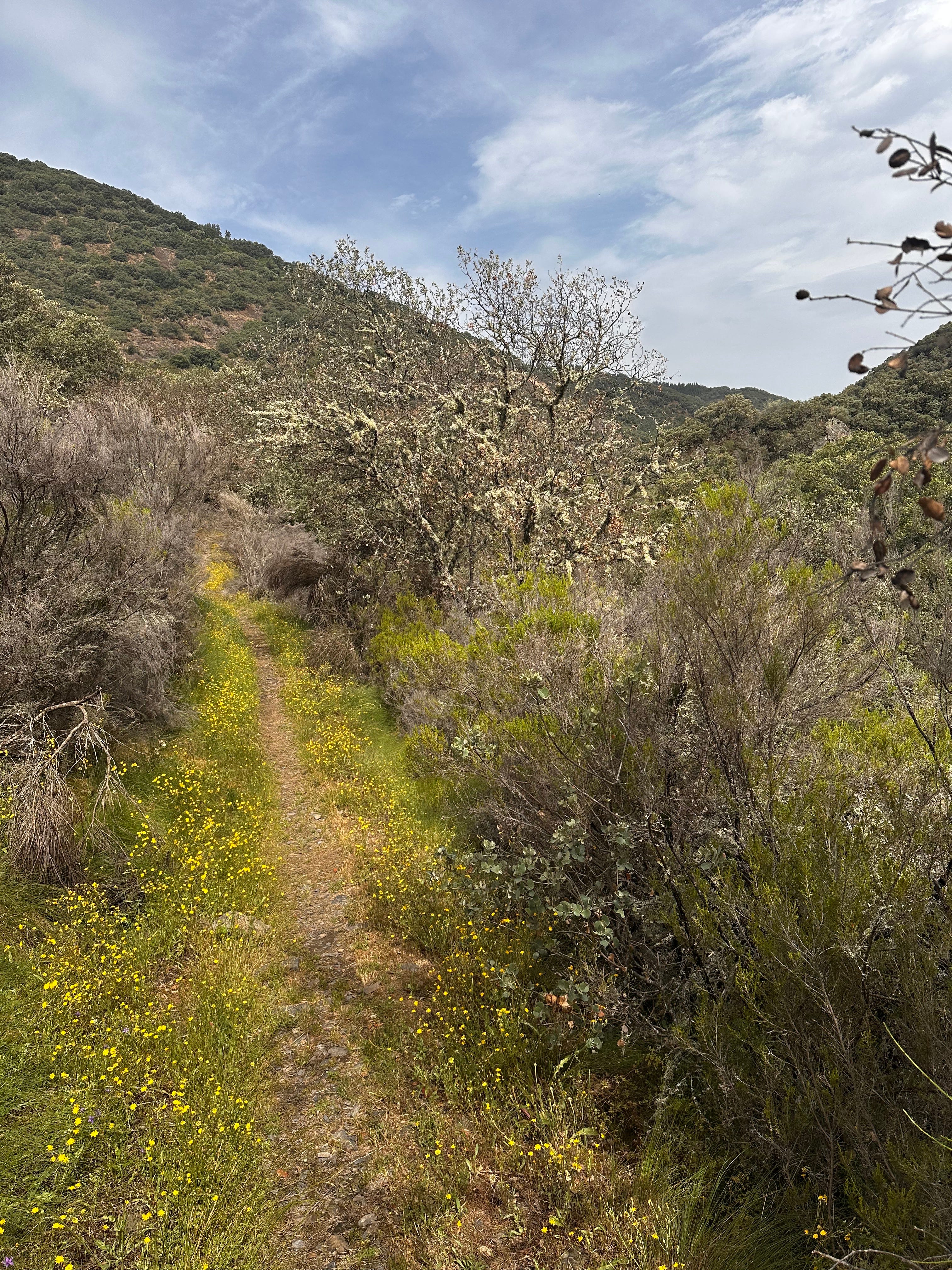
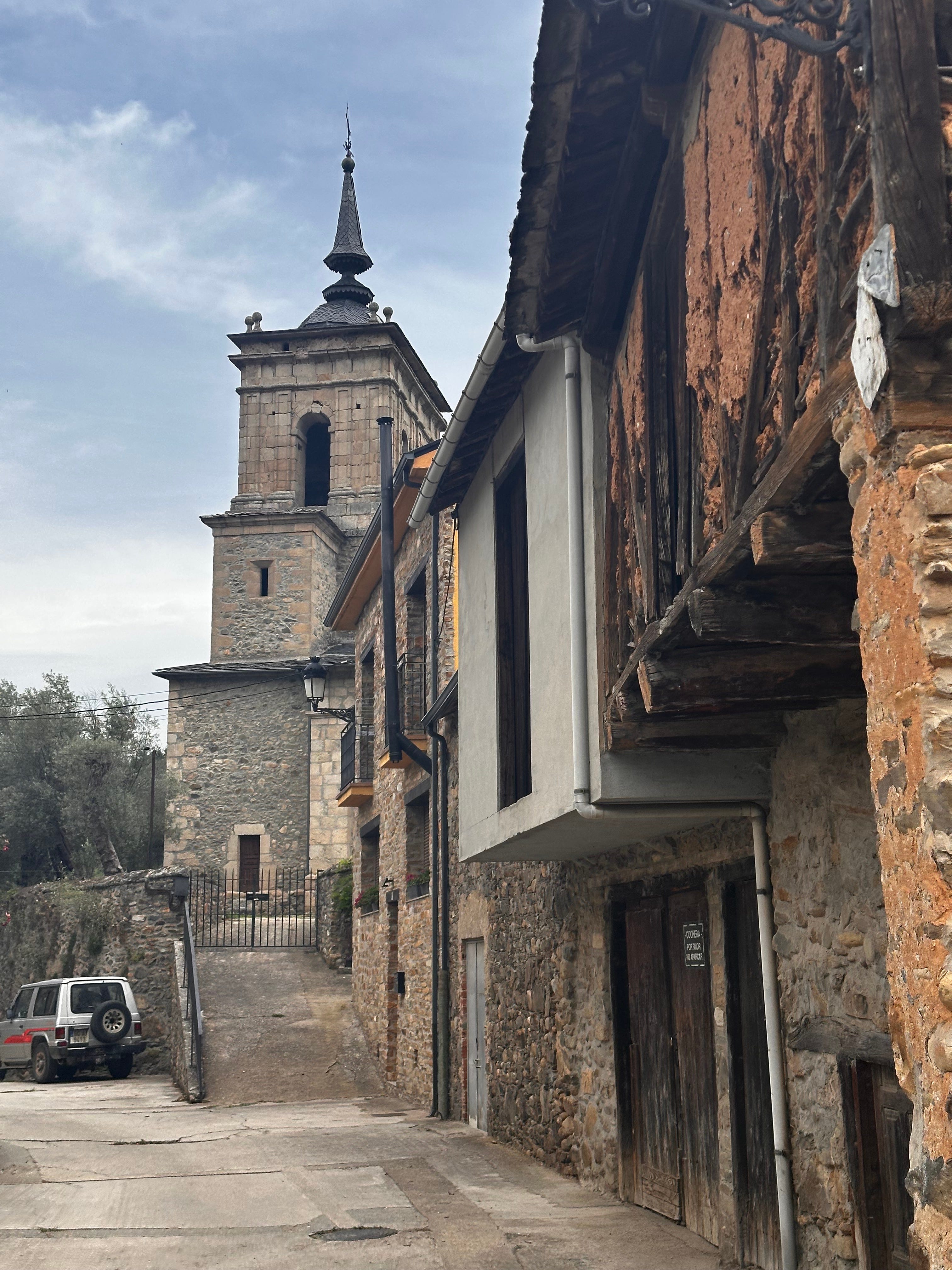
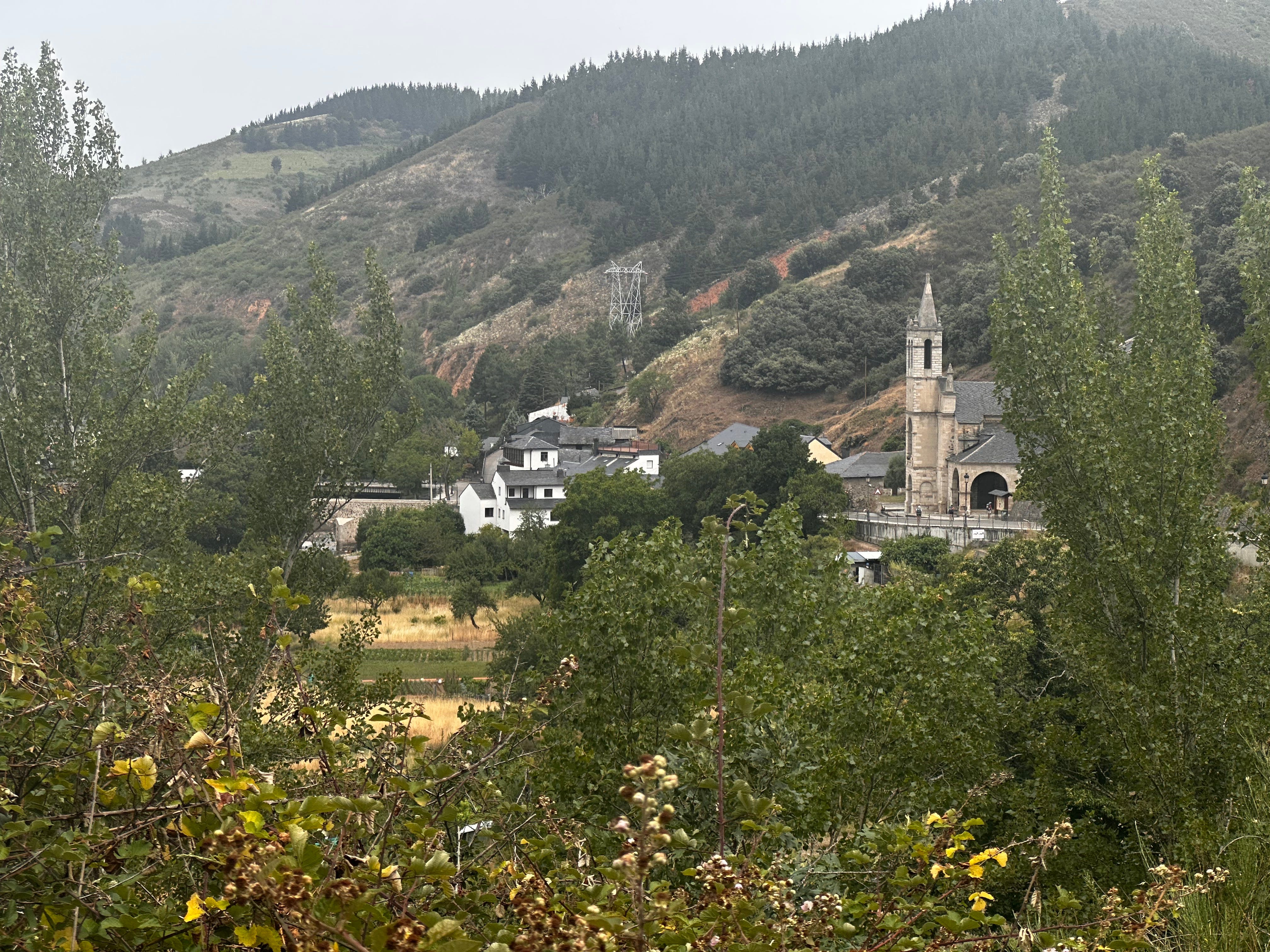
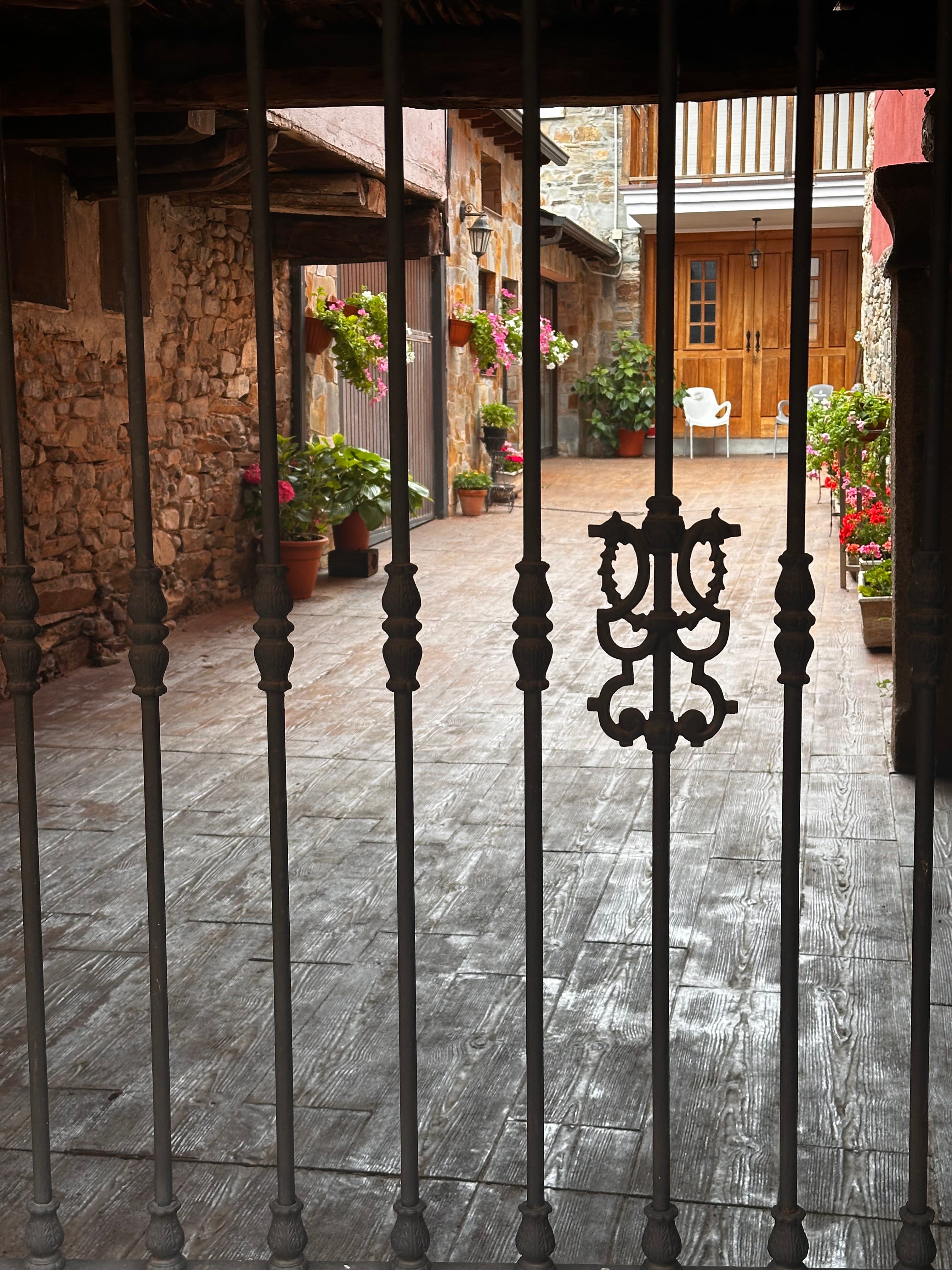
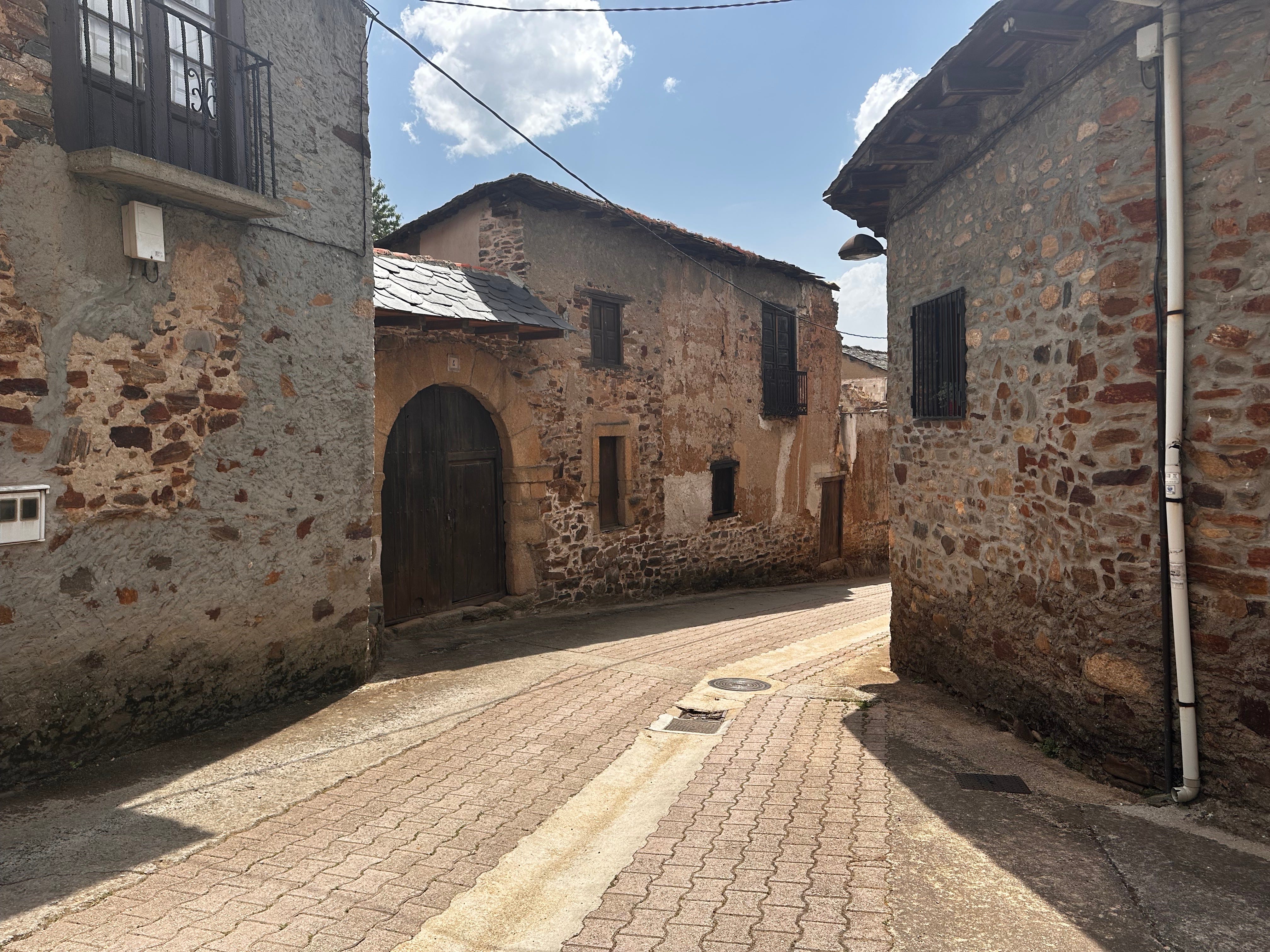
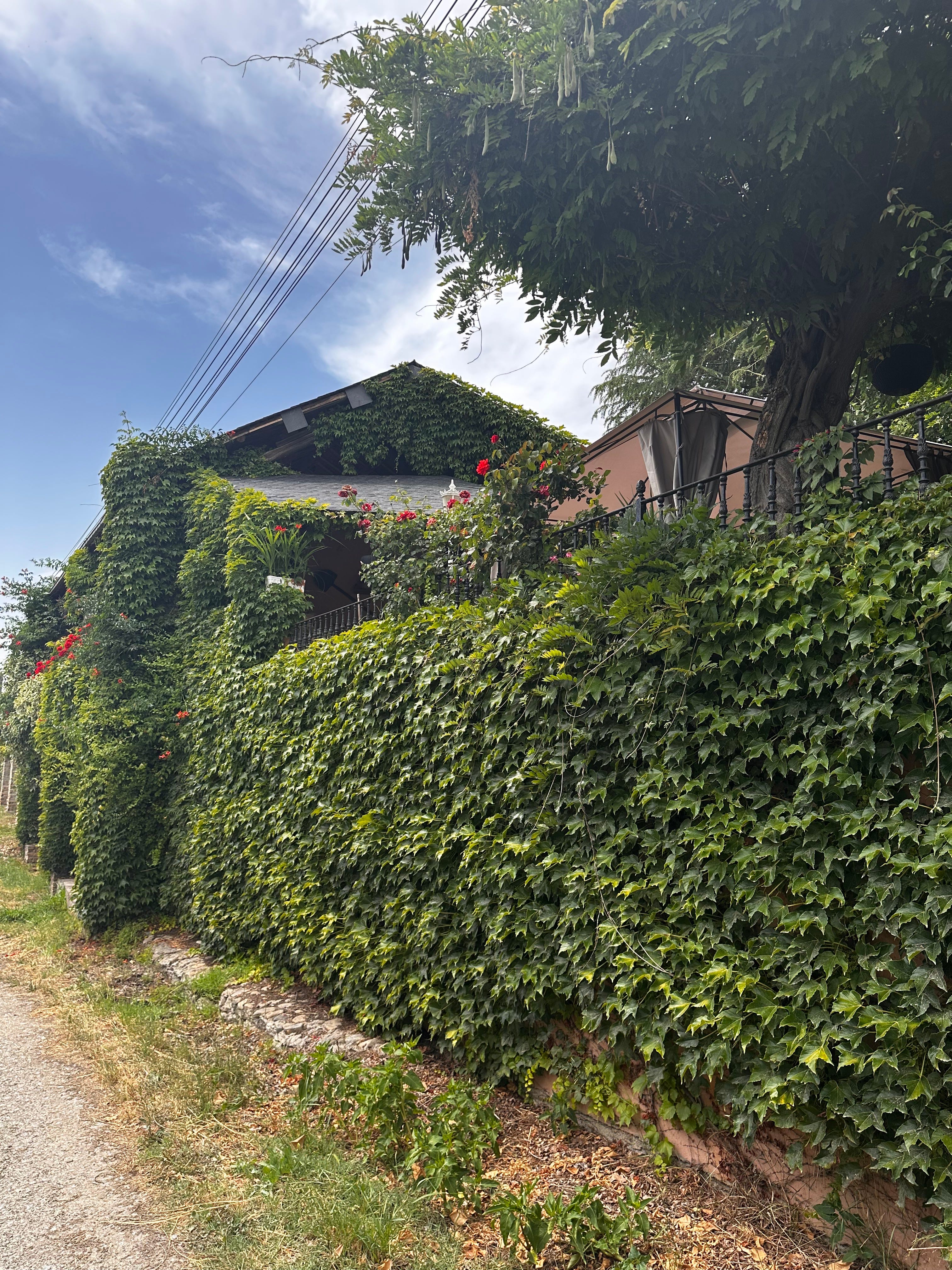
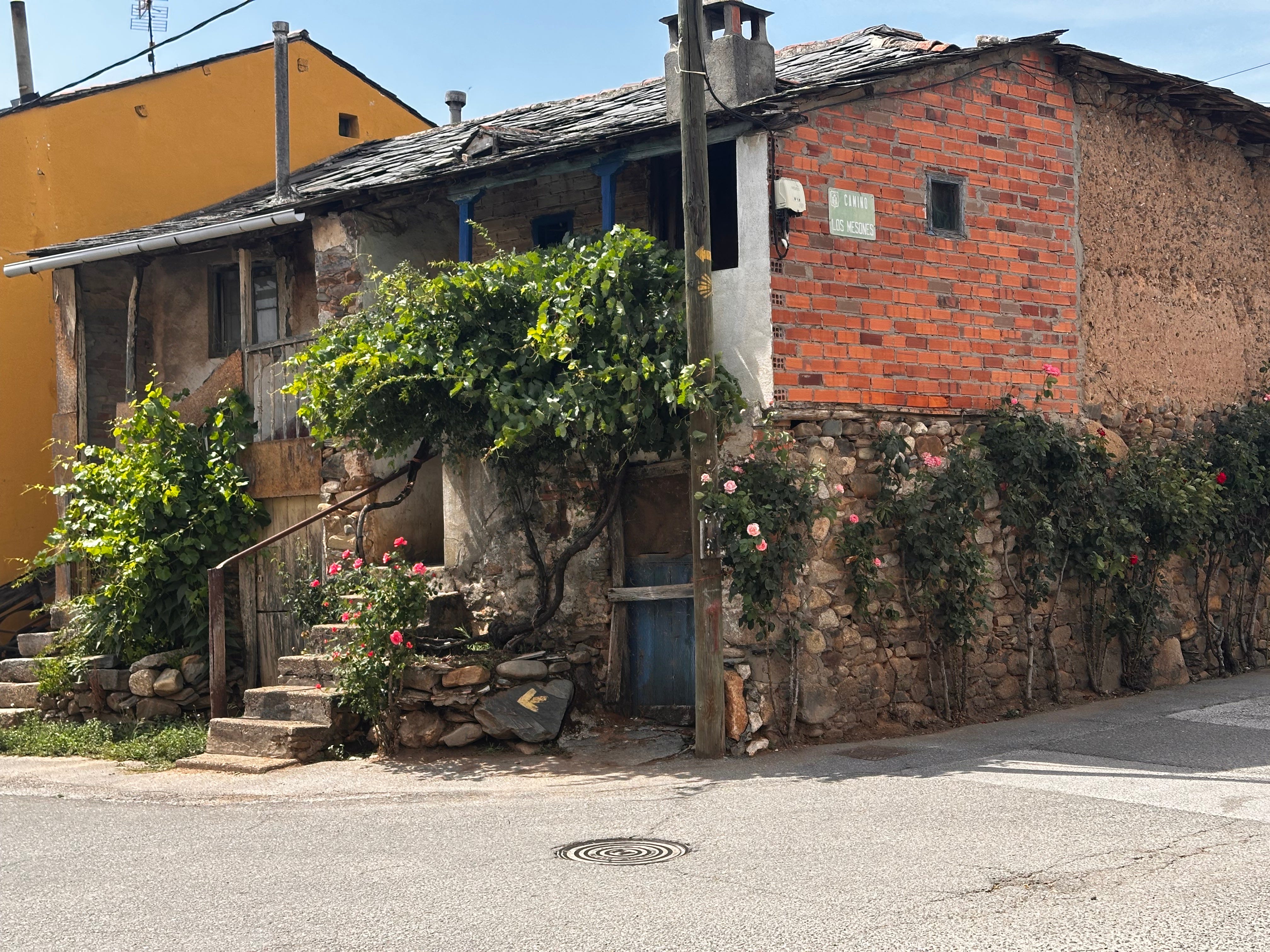
The way began through a small village Riego de Ambrós. After about thirty minutes of gentler descent, stone houses with wooden balconies came into view, with geraniums everywhere, red and pink spilling from pots along sills and steps, whole walls of them against the grey stone. Somebody here loves this place and tends to it daily, and you could feel it. Other houses stand abandoned and waiting for someone to adopt and love them again. We noticed this about several small villages, the new and restored coexisting with the modern and with the ancient and decrepit, and somehow in that there is charm. We walked through slowly, the morning still cool, the heat not yet down from the canopy, and then turned onto a tiny overgrown path that tipped us towards a toward the river and the real descent began.
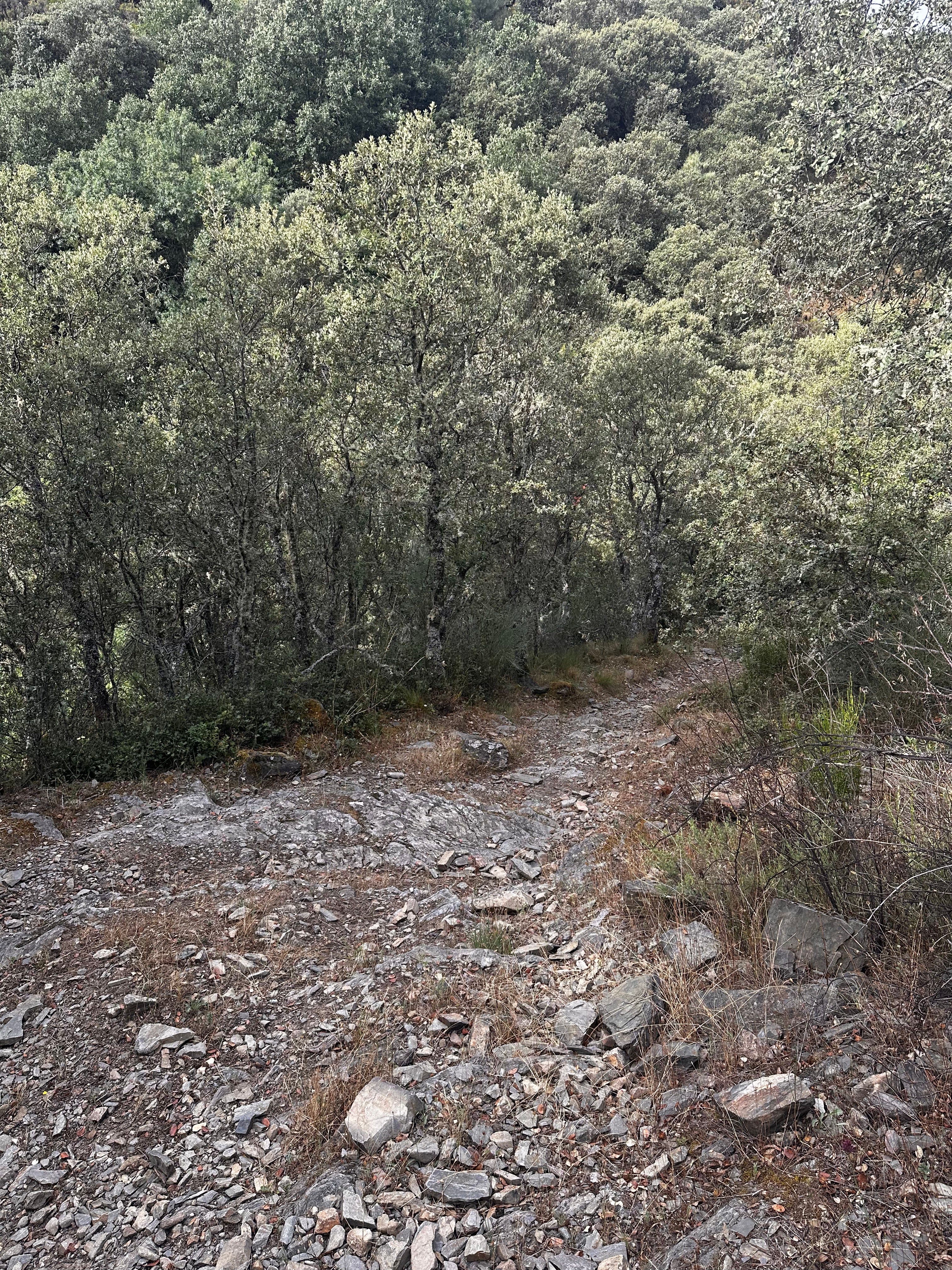
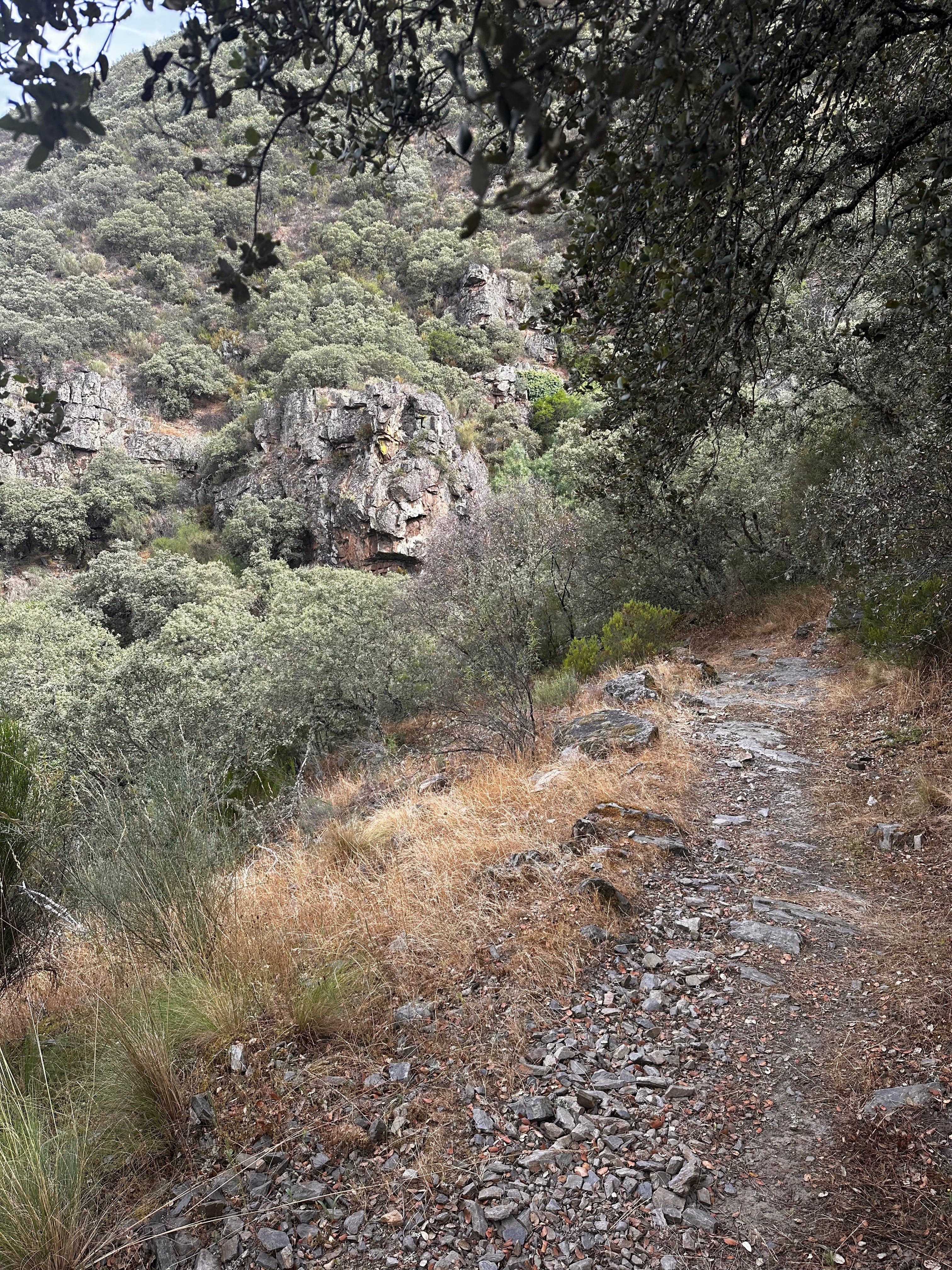
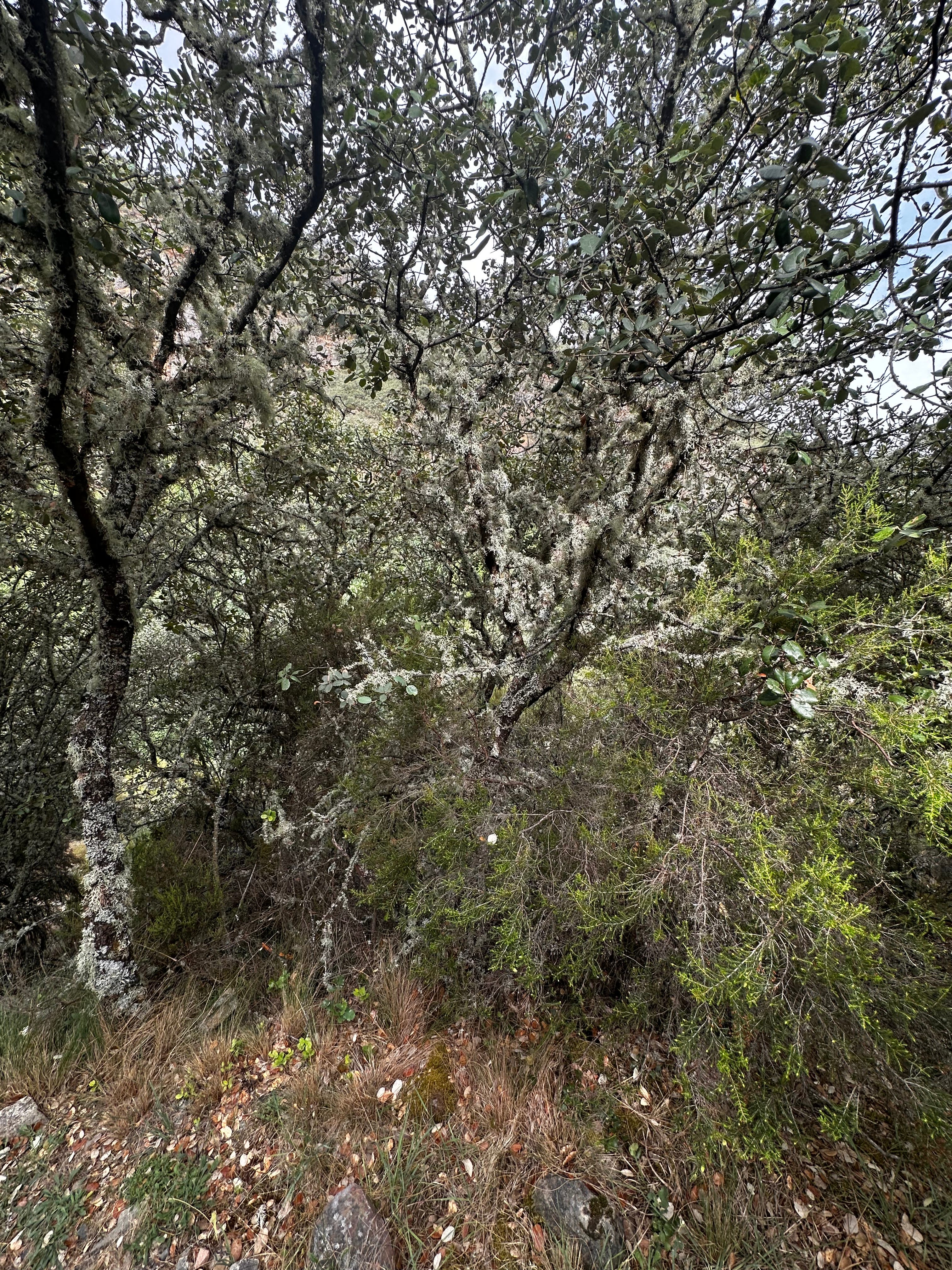
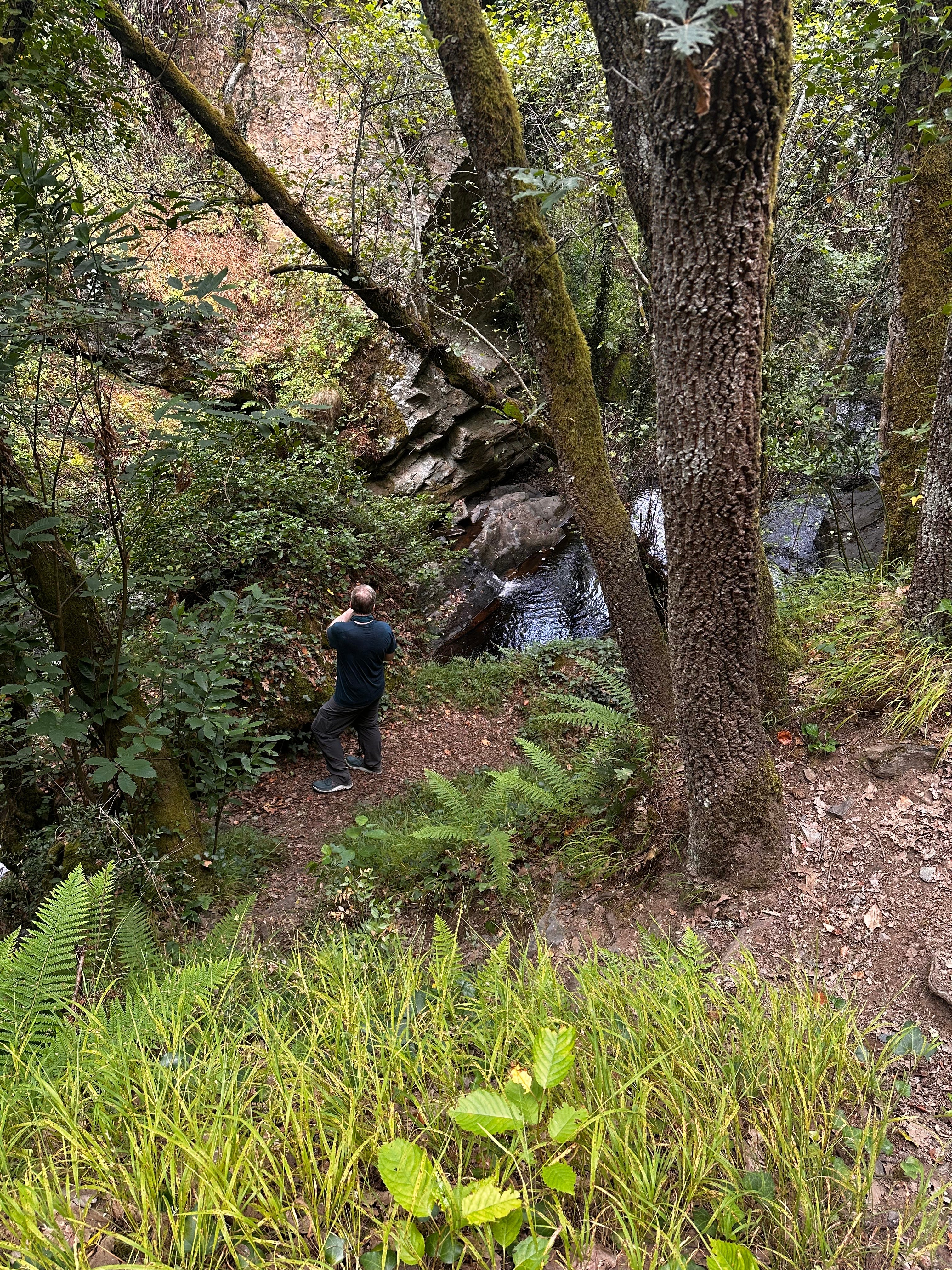
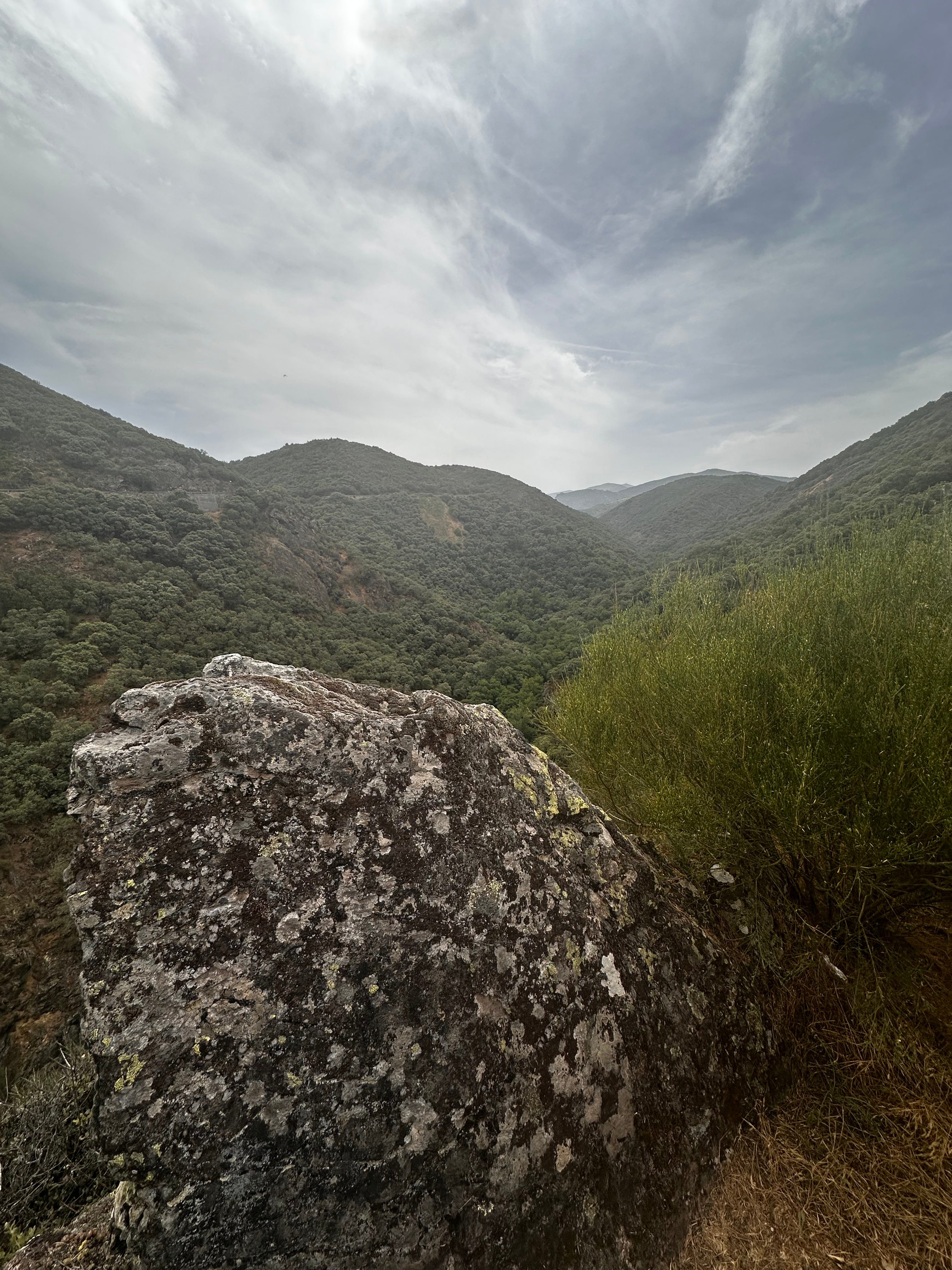
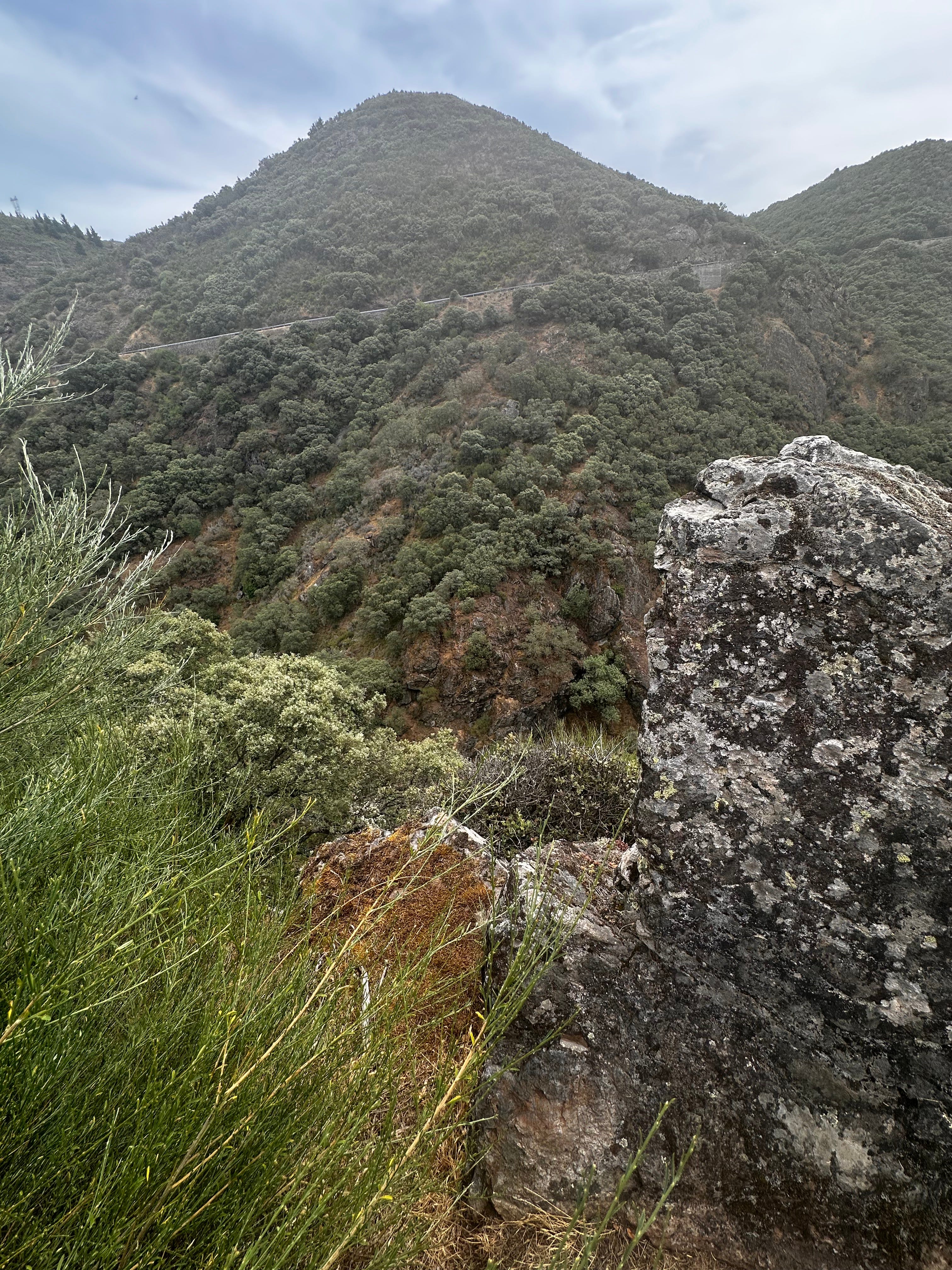
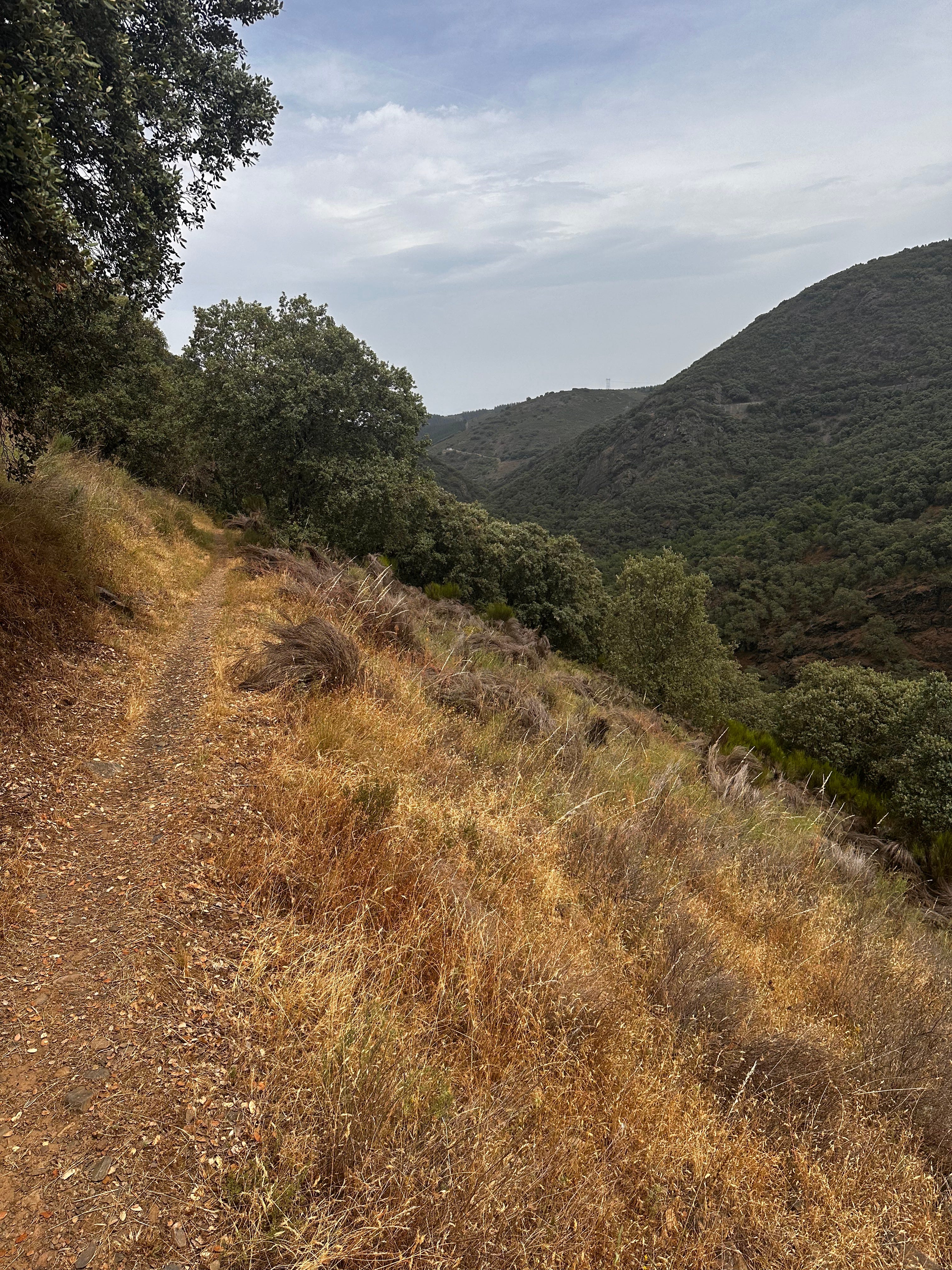
It was not always an easy way down. The path narrowed and dropped sharply, and there were stretches with little to gain purchase on, the kind of footing where you have to stop and think carefully about how to solve the next few feet. Luckily John has the instincts and the balance of a cat, and I have always loved to climb things. So we picked our way down through the green and the quiet, and the heat stayed up in the canopy where it belonged.
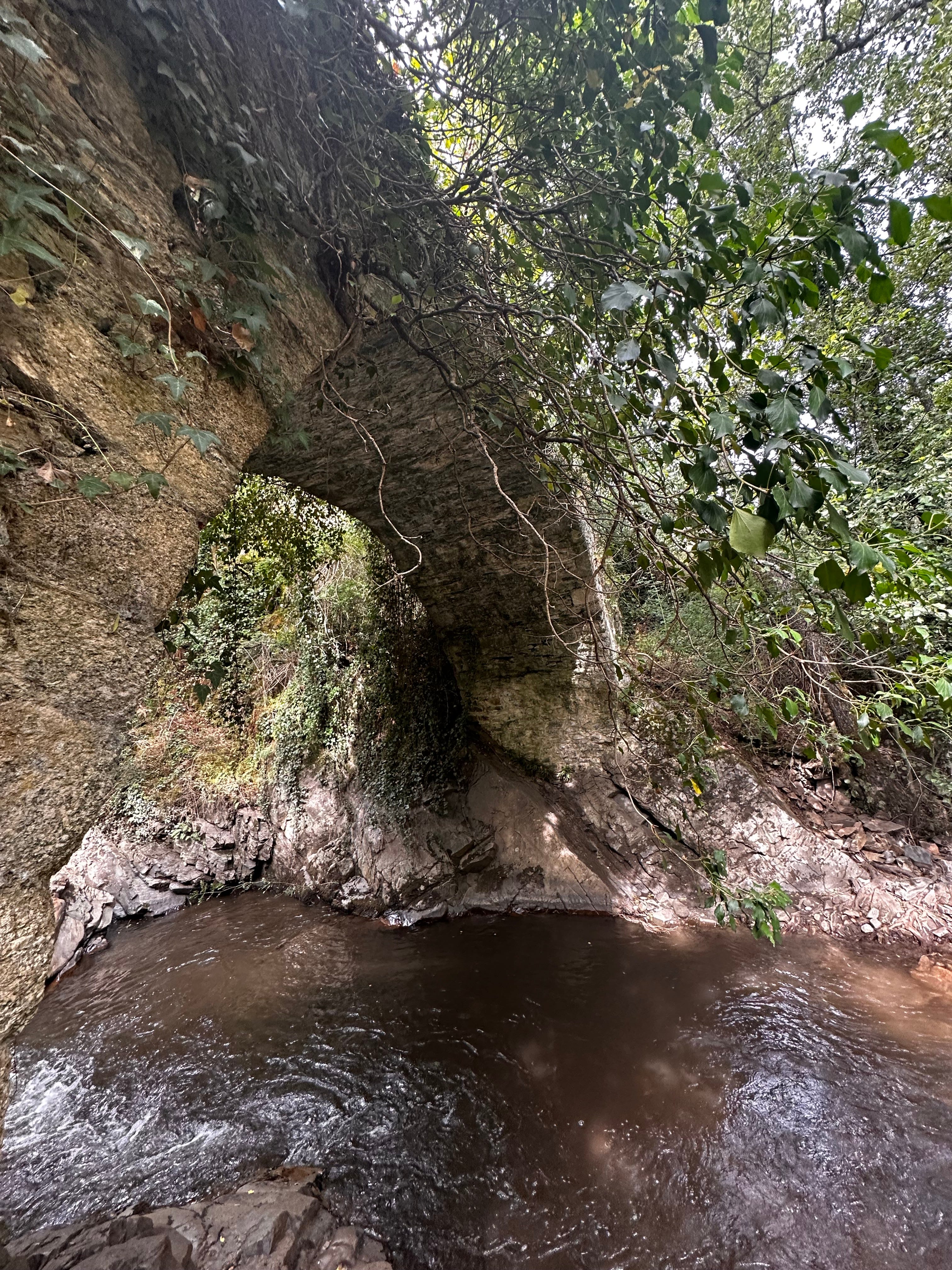
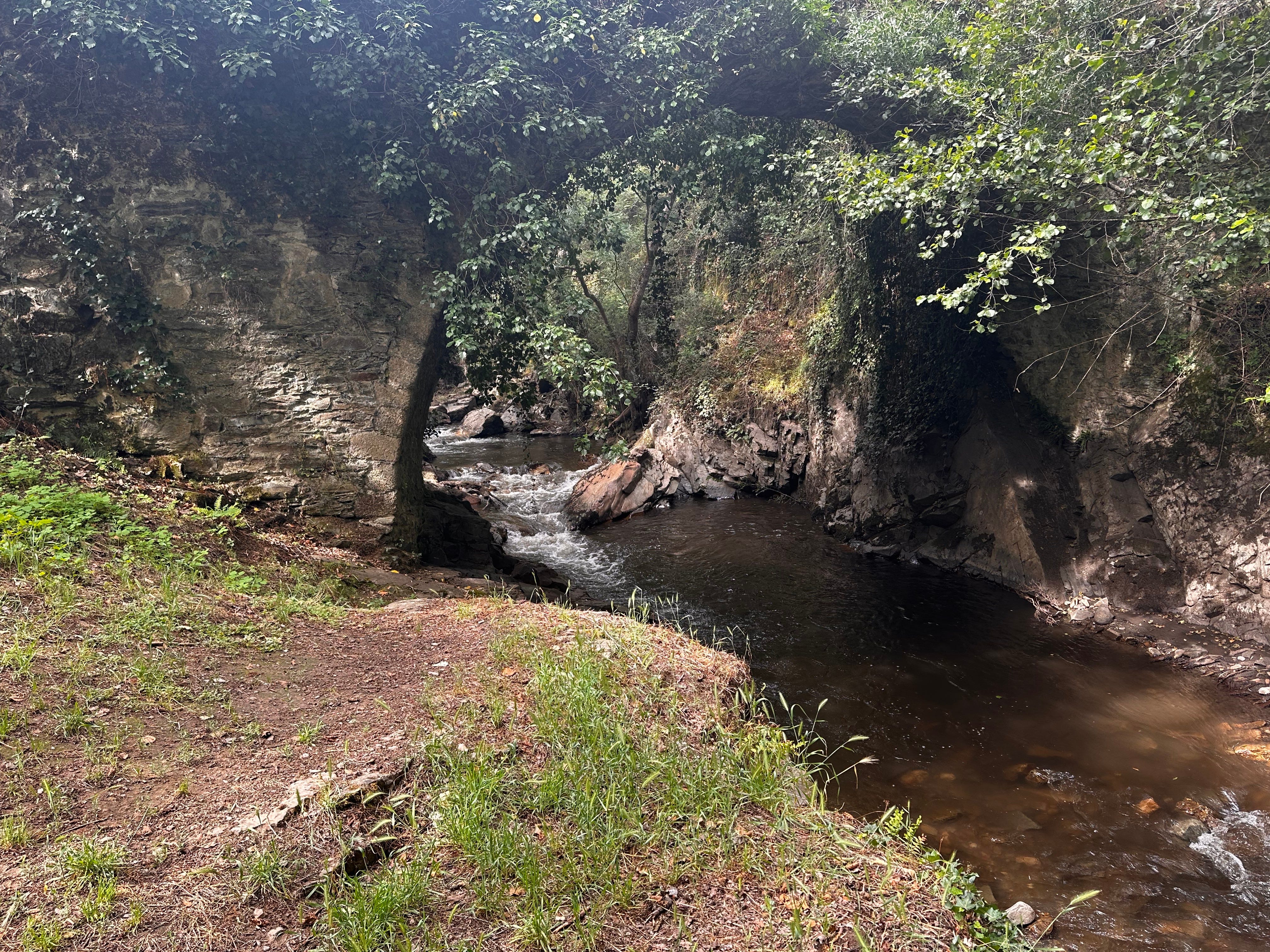
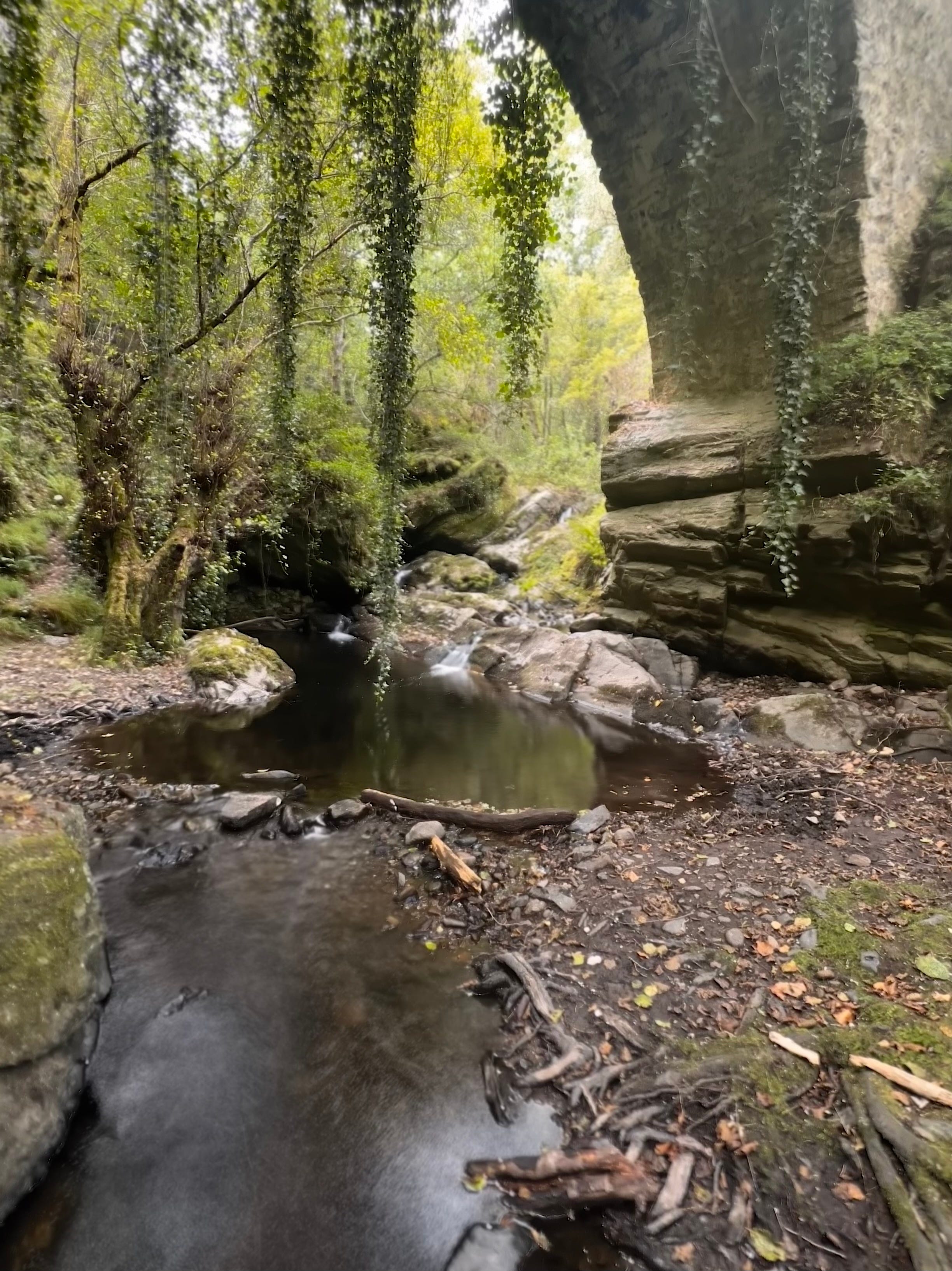
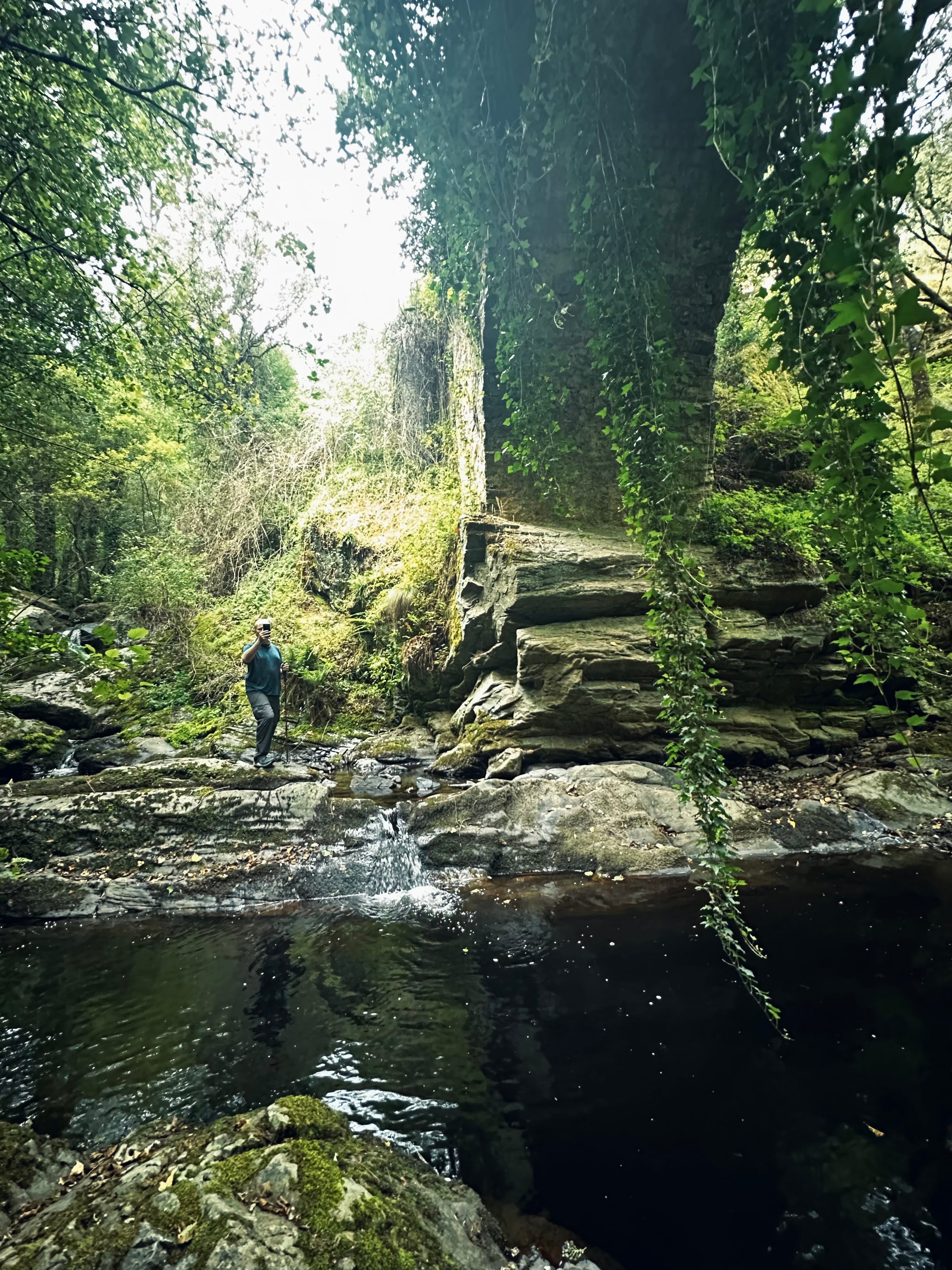
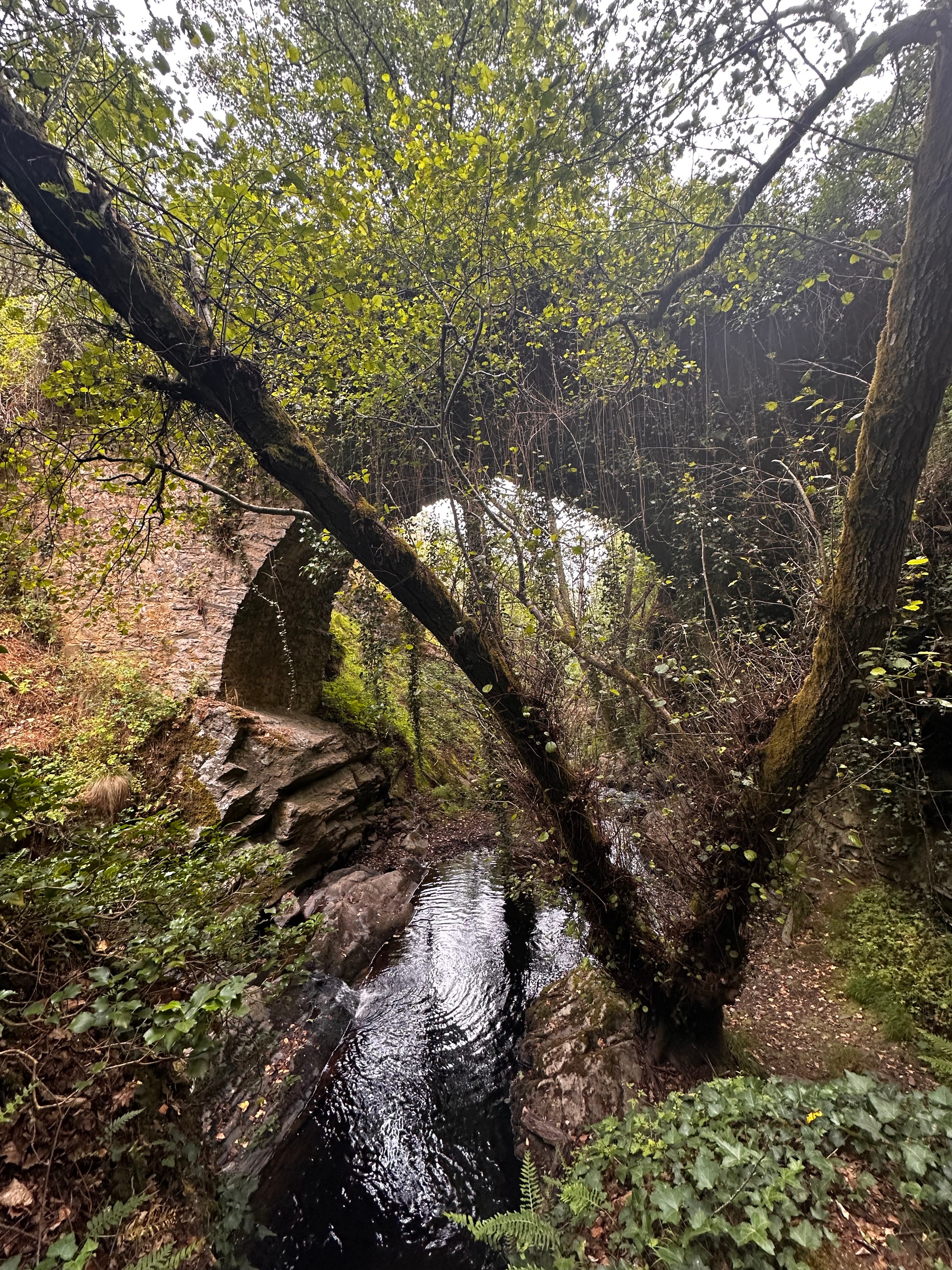
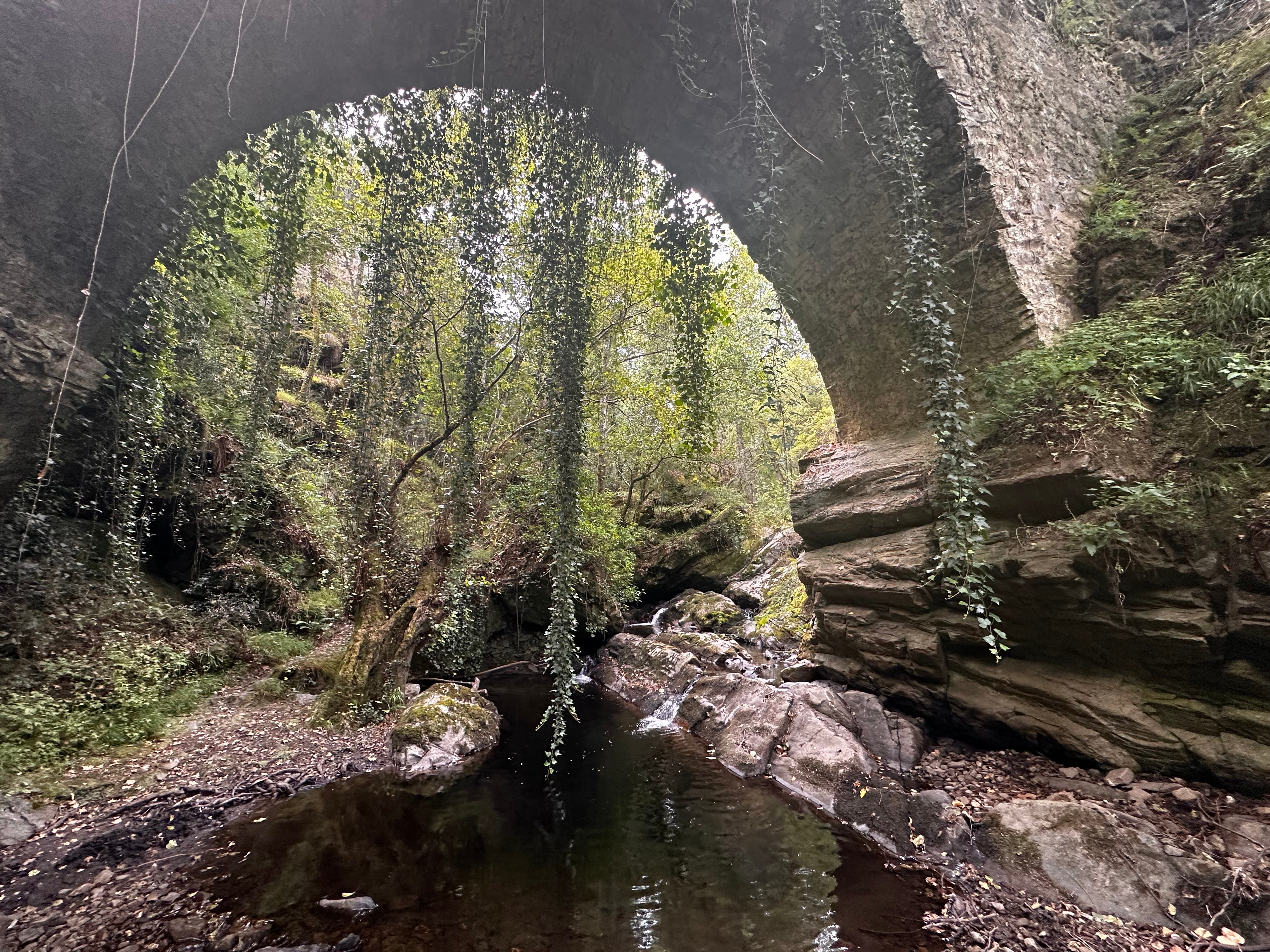
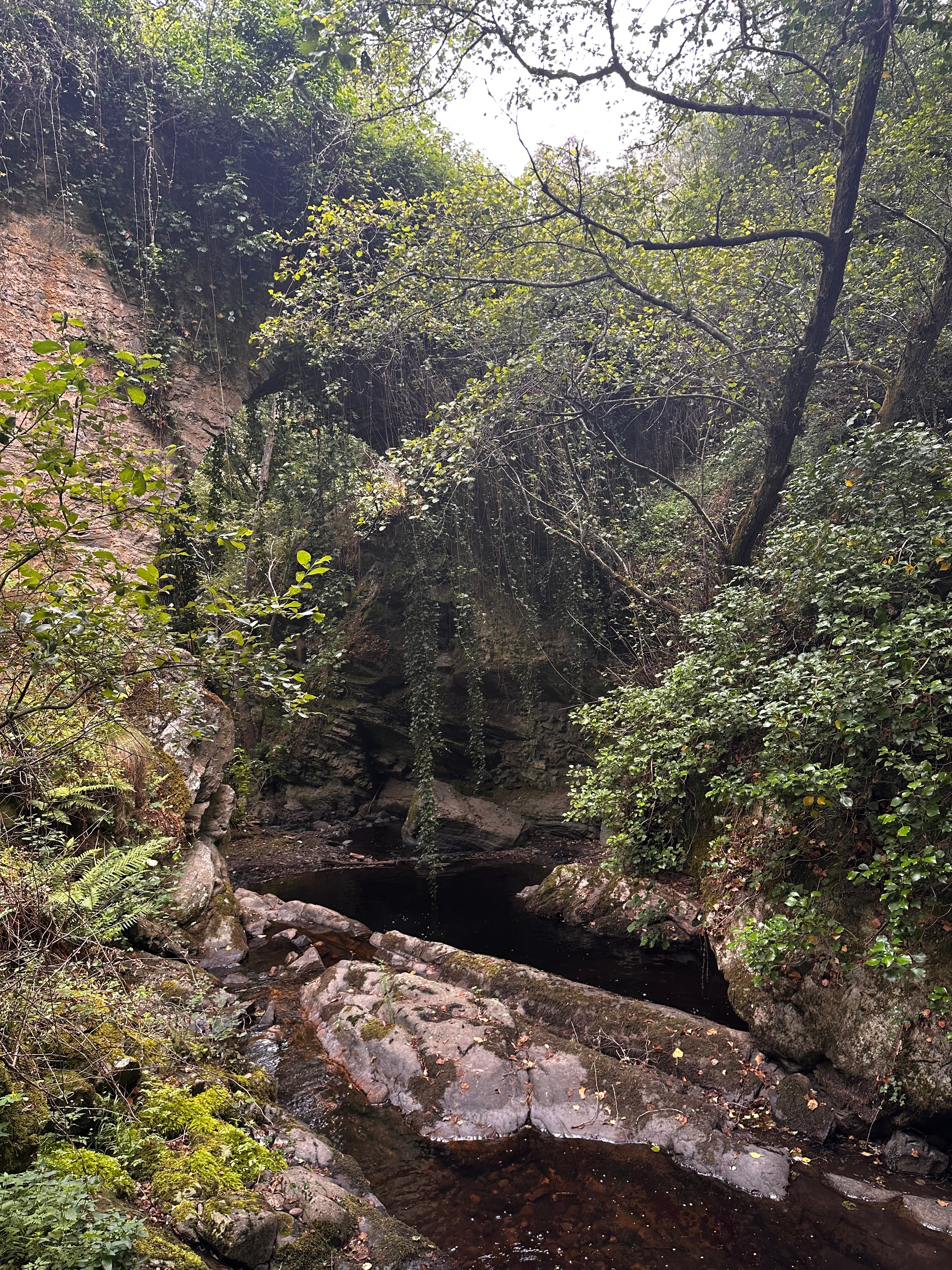
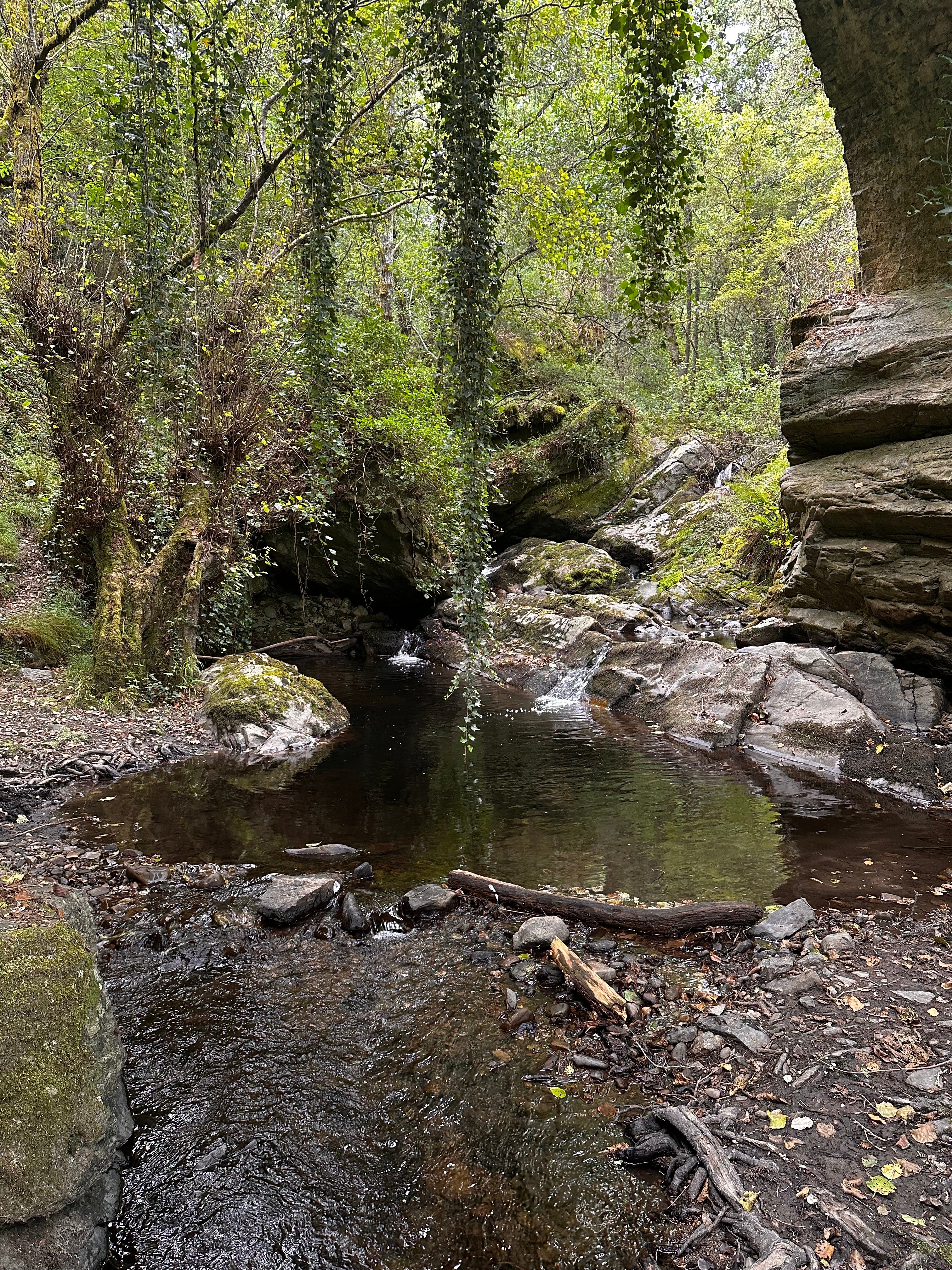
And then, hidden in the woods and half-swallowed by vegetation, the bridges. Two of them, old stone arches over the water, the kind of thing you do not expect to find at the bottom of a forgotten ravine. We had stumbled onto something. They are said to be Roman, a crossing on the old road that once carried gold out of these mountains, though no one is fully certain of their age. There is a darker thread braided in too: in the years after the civil war this valley sheltered the maquis, the fighters who would not surrender, and one of the most storied of them is said to have been betrayed and killed somewhere among these stones. Romans and rebels, gold and resistance, all of it resting quietly under the trees where we found it by accident.
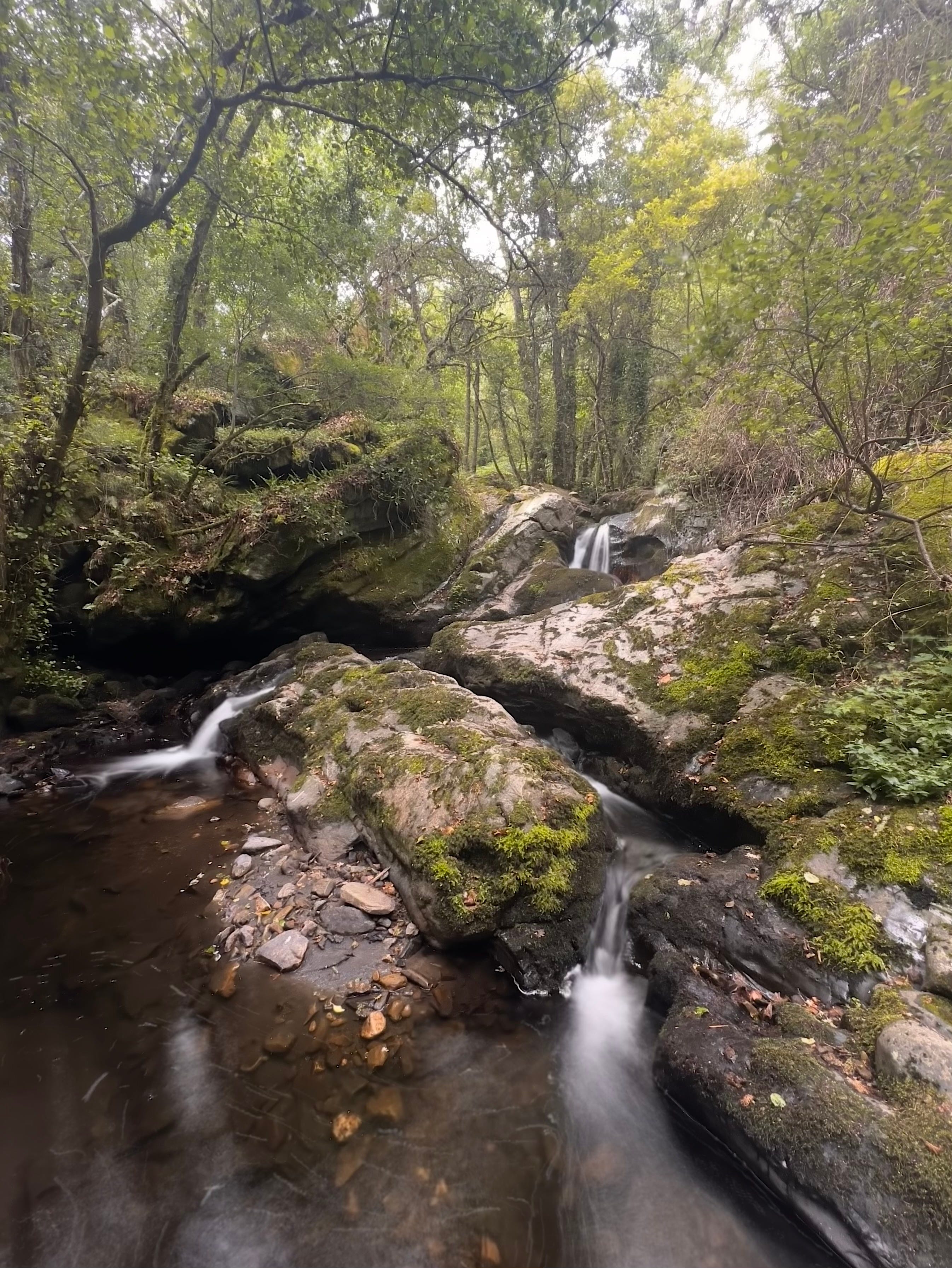
We stayed. We jumped from rock to rock, we took pictures of the small waterfalls, we played under the arches like the discovery was ours alone, which in a small way it was. We left only because we were getting hungry.
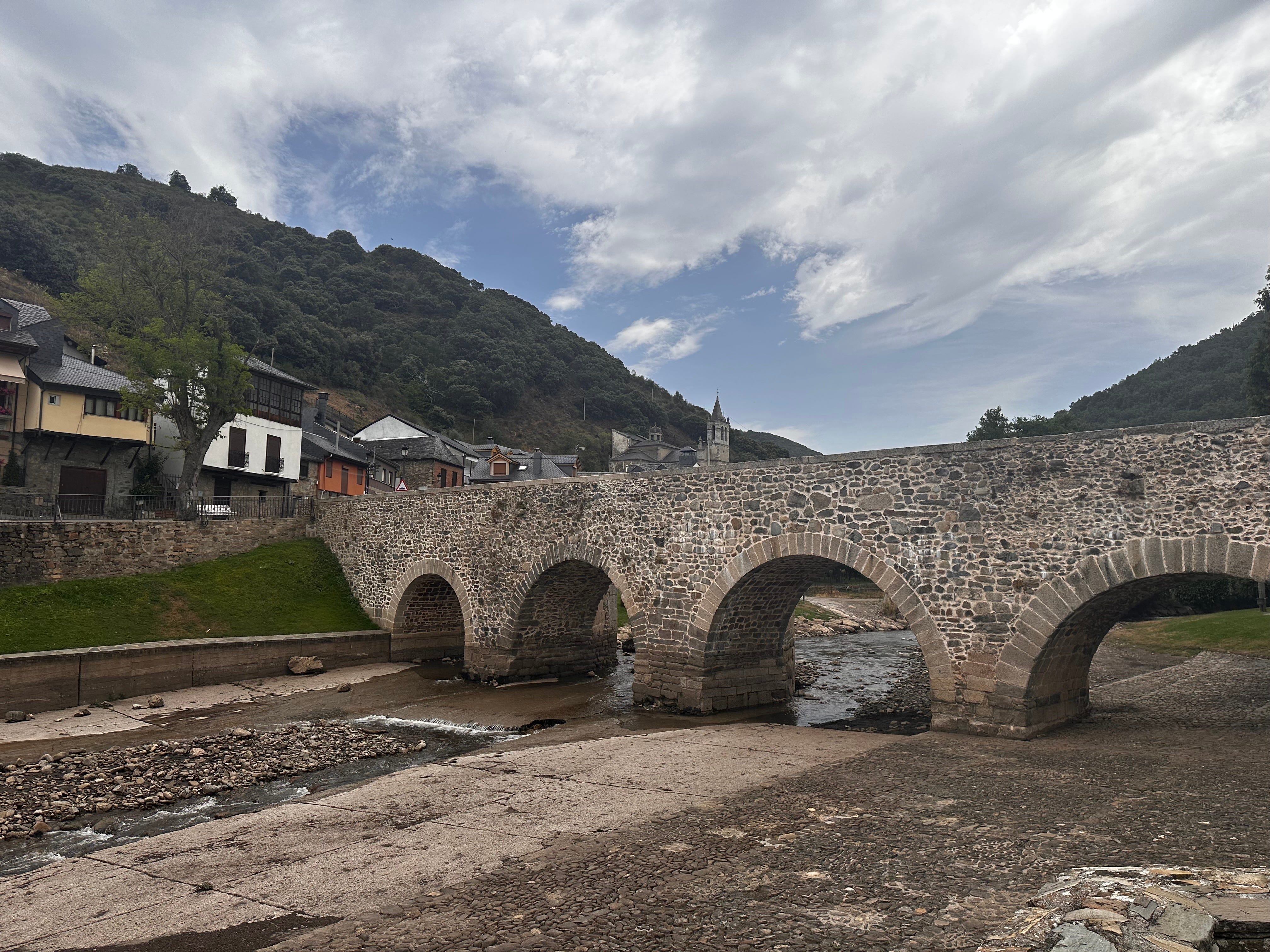
Down in Molinaseca we came to another grand Roman bridge, and this one stood in full view, a long sweep of pale stone arches striding across the Meruelo, clean and clear of the vegetation that had swallowed the two bridges we crossed earlier today. People have crossed it for centuries. The road we were walking on today was a Roman road, and these bridges were its bones, some famous and sunlit, some lost in a ravine, all of them still here, still carrying us west.
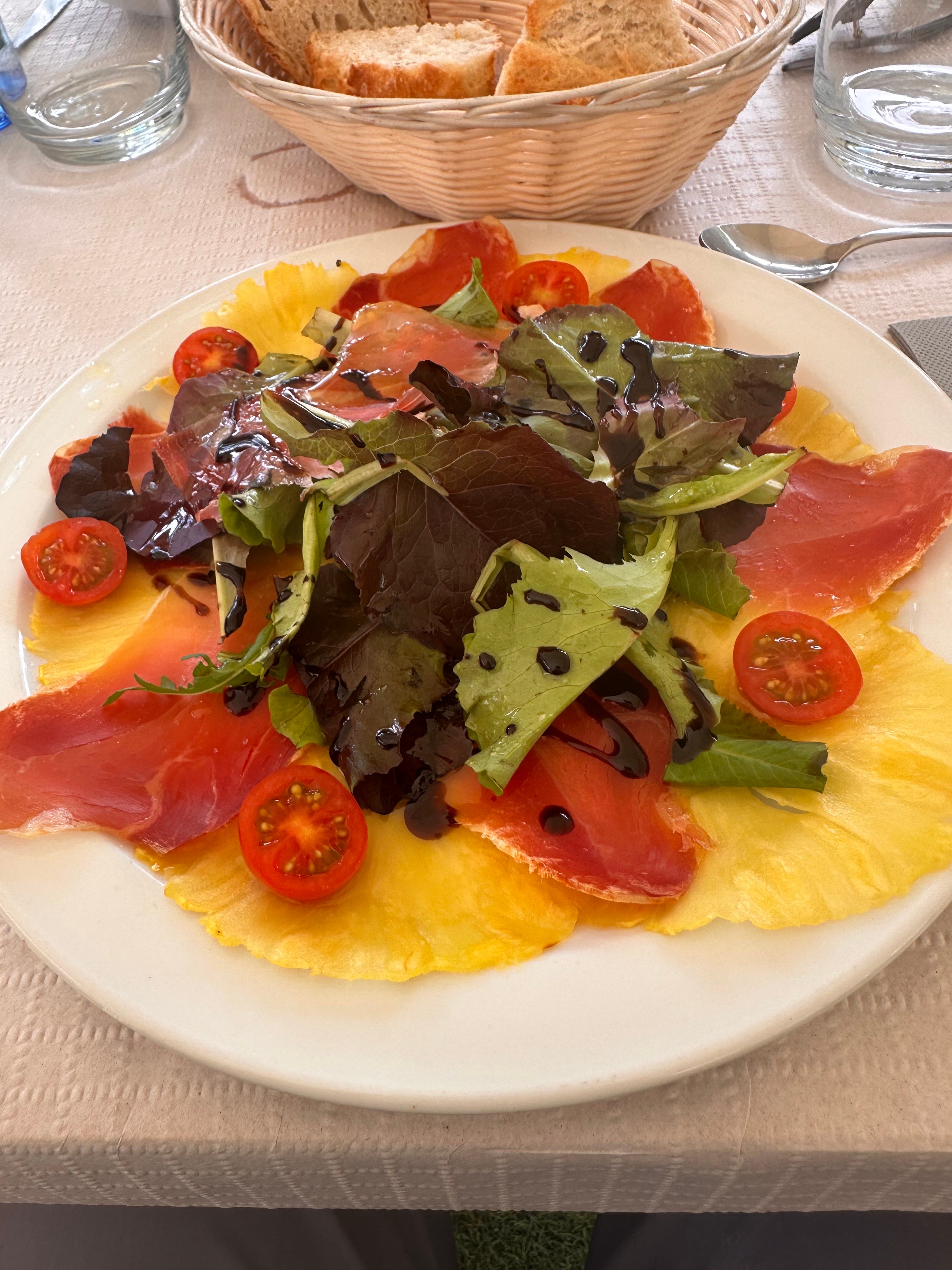
Lunch was the day’s other gift. We stopped at Las Meigas de Josema, a lovely place tucked into the town of Molinaseca, the kind of meal that earns its hour, and let it be long. There was a pineapple carpaccio with jamón that was new and exciting, bright and unexpected.
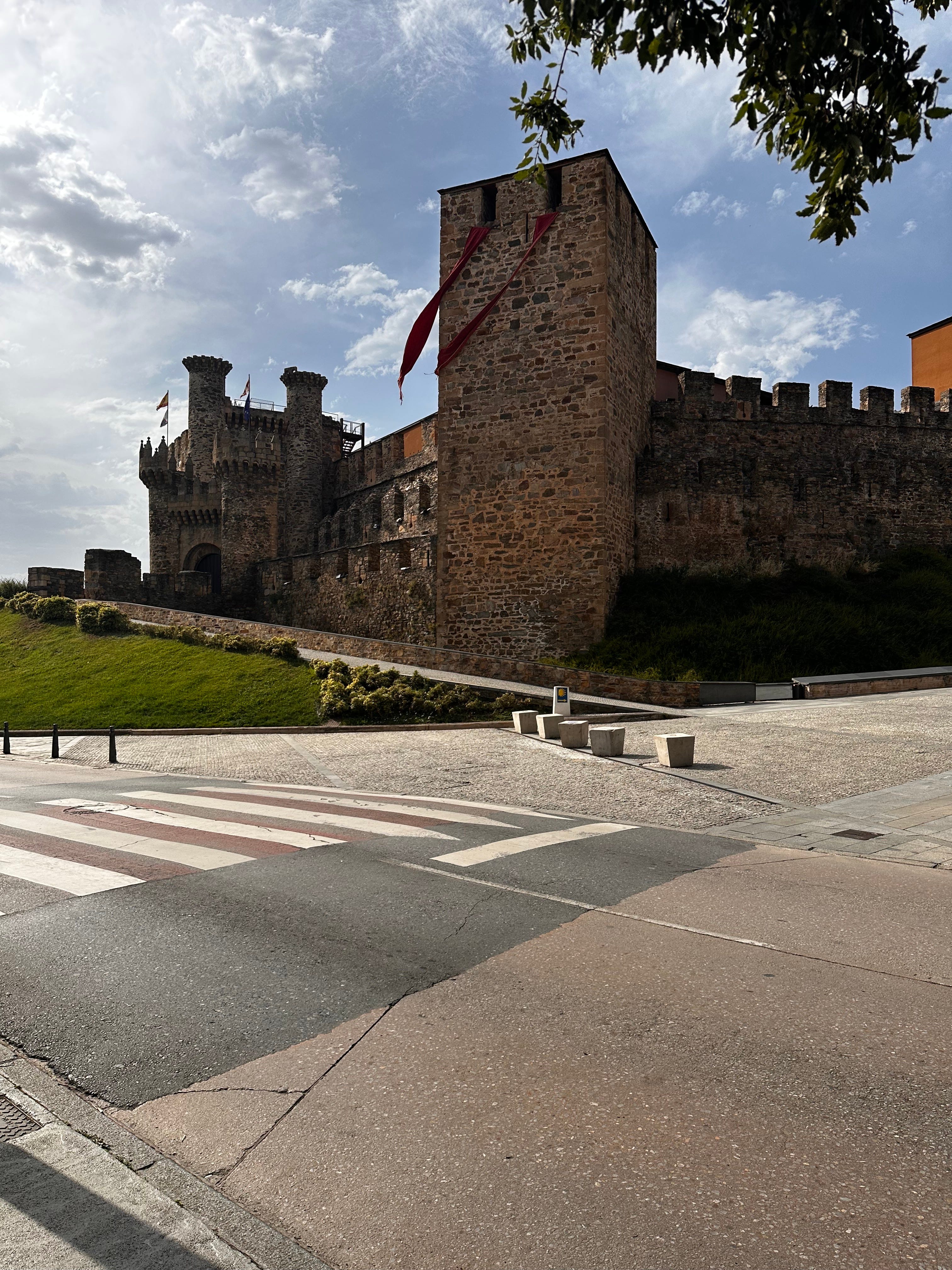
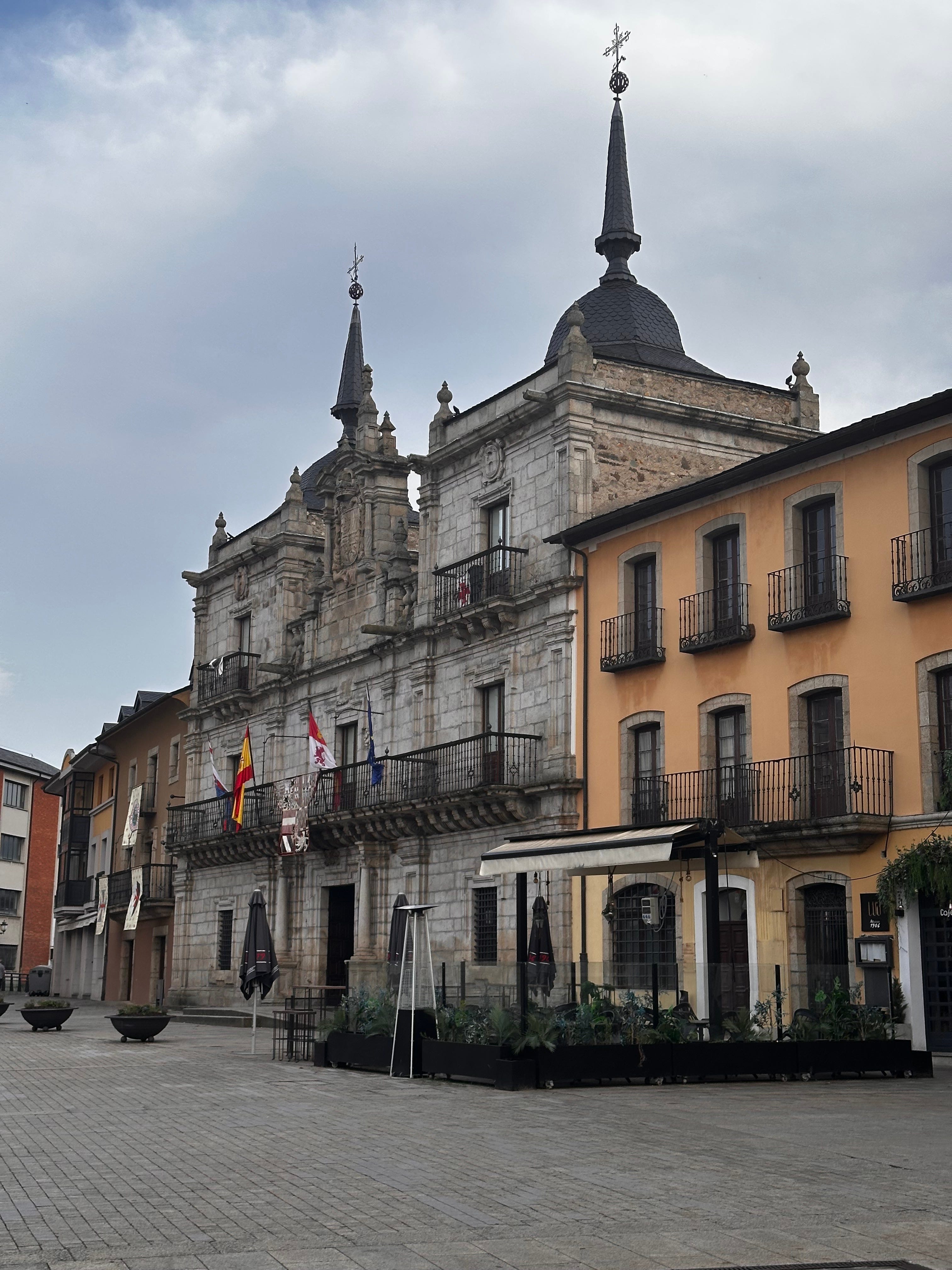
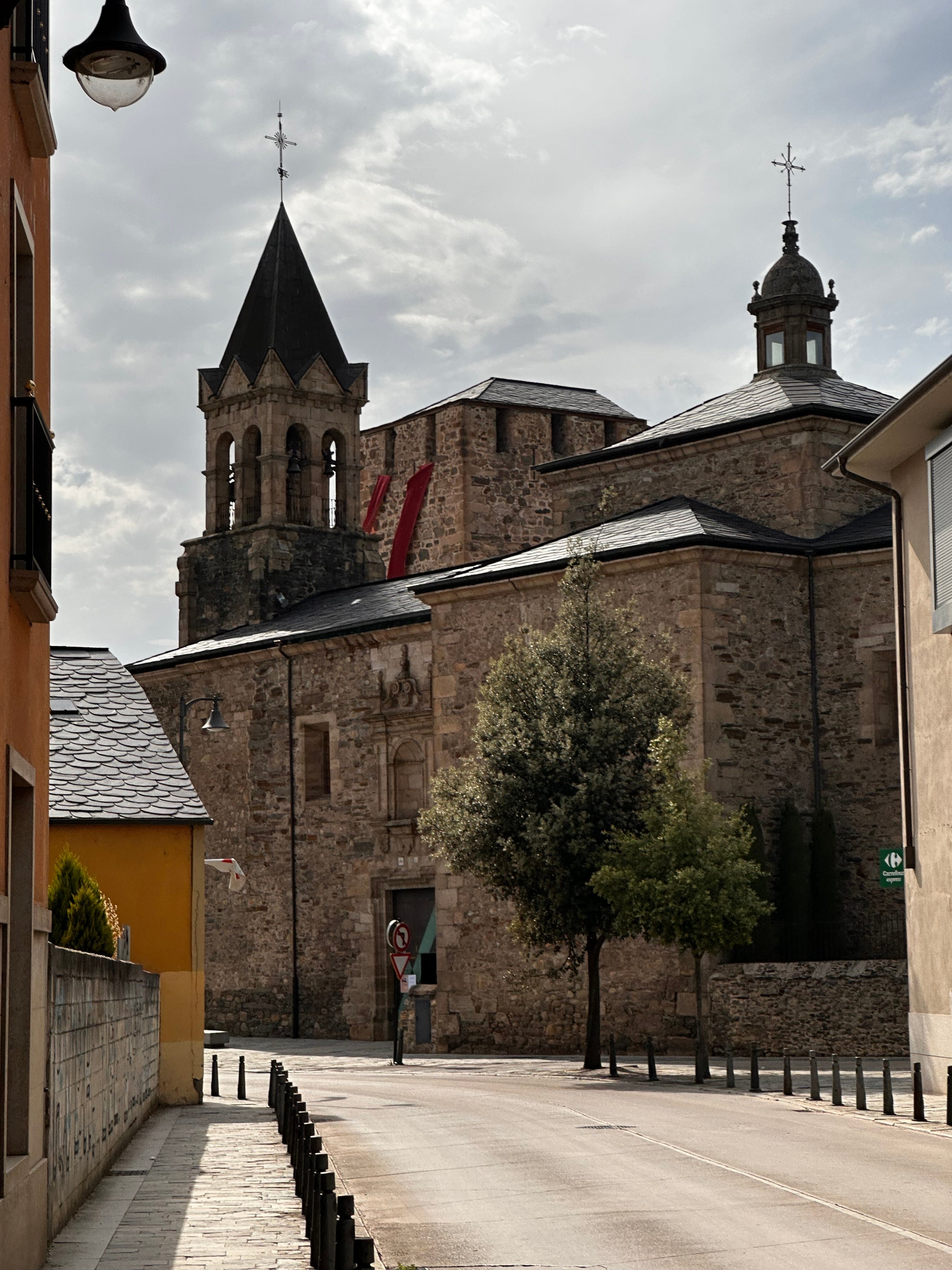
After Molinaseca, we came into the heat of the afternoon on the road to Campo, itself an old Roman village, and then to Ponferrada, where the Templar castle rises at the edge of the old town, its gates shut for the Monday. We did not need them open. We had already spent the day with older stones than these, the ones nobody guards, the ones you only find if you take the bad crossing on purpose.